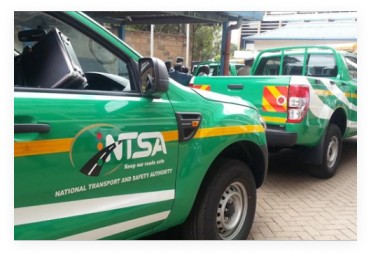
Pressure is mounting on transport authorities after motorists raised alarm over a growing shortage of number plates, with more than 70,000 vehicles reportedly affected across the country.
In a statement released on Tuesday, February 24, 2026, the Motorist Association of Kenya called out the National Transport and Safety Authority over the backlog and demanded clarity on how funds collected for plate production have been used.
The association linked the crisis to delays in the release of funds from the National Treasury, saying the hold-up has left suppliers unpaid and unable to deliver materials required for manufacturing plates.
“If citizens pay upfront for plates, and the government collects a heavy excise duty at the point of importation, how can there be no funds to produce number plates?” MAK stated.
The association questioned why motorists are required to pay number plate fees at the point of mandatory registration and importers charged excise duty, at times equivalent to the full Cost, Insurance and Freight value of a vehicle, yet NTSA is said to be struggling with funding gaps.
According to MAK, the backlog currently stands at about 51,000 motorcycles, 7,000 new motor vehicles and 750 tuk-tuks. Production challenges have mainly affected the KDV-W, X, Y and Z series plates as of mid-February.
The shortage has triggered delays across the motor vehicle market. Without physical number plates, banks are unable to complete asset financing transfers, leaving vehicles parked at showrooms as loan processing stalls. At the same time, thousands of imported units remain held at the Port of Mombasa, unable to proceed to dealers or buyers, further straining the supply chain.
To ease the situation, dealers have turned to Kenya Dealer plates, commonly known as KD plates. These are green, temporary registration plates issued to licensed dealers, garages and importers to facilitate the movement of unregistered vehicles.
The KD plates allow vehicles to be transported from the port to showrooms, used for test drives or moved for repairs between 6 am and 6 am. They are meant strictly for approved movements, and misuse can lead to impoundment by authorities.
NTSA has maintained that it notifies applicants through SMS once their number plates are ready. Motorists are also able to track the status of uncollected plates and driving licences through the NTSA Service Status Portal.
However, MAK says these steps do not address the root of the crisis. The association insists that the issue goes beyond communication and requires financial accountability from the agencies involved.
“Public accountability is not optional. If money is collected for number plates, it must be used for number plates,” stated MAK.
The lobby group is now pushing NTSA and the National Treasury to publicly explain how upfront plate fees and excise duty collections have been spent, and why suppliers remain unpaid even as revenue continues to be collected from motorists and importers.































Comments
Sign in with Google to comment, reply, and like comments.
Continue with Google