NTSA begins countrywide vision checks for drivers amid surge in road deaths
Official figures show that Kenya recorded 4,458 fatalities from road accidents in 2025, a 3.4 per cent increase from 4,311 deaths in 2024. Pedestrians were the most affected with 1,685 deaths, followed by motorcyclists at 1,148, passengers at 723, rear seat passengers at 432, drivers at 403, and pedal cyclists at 67.
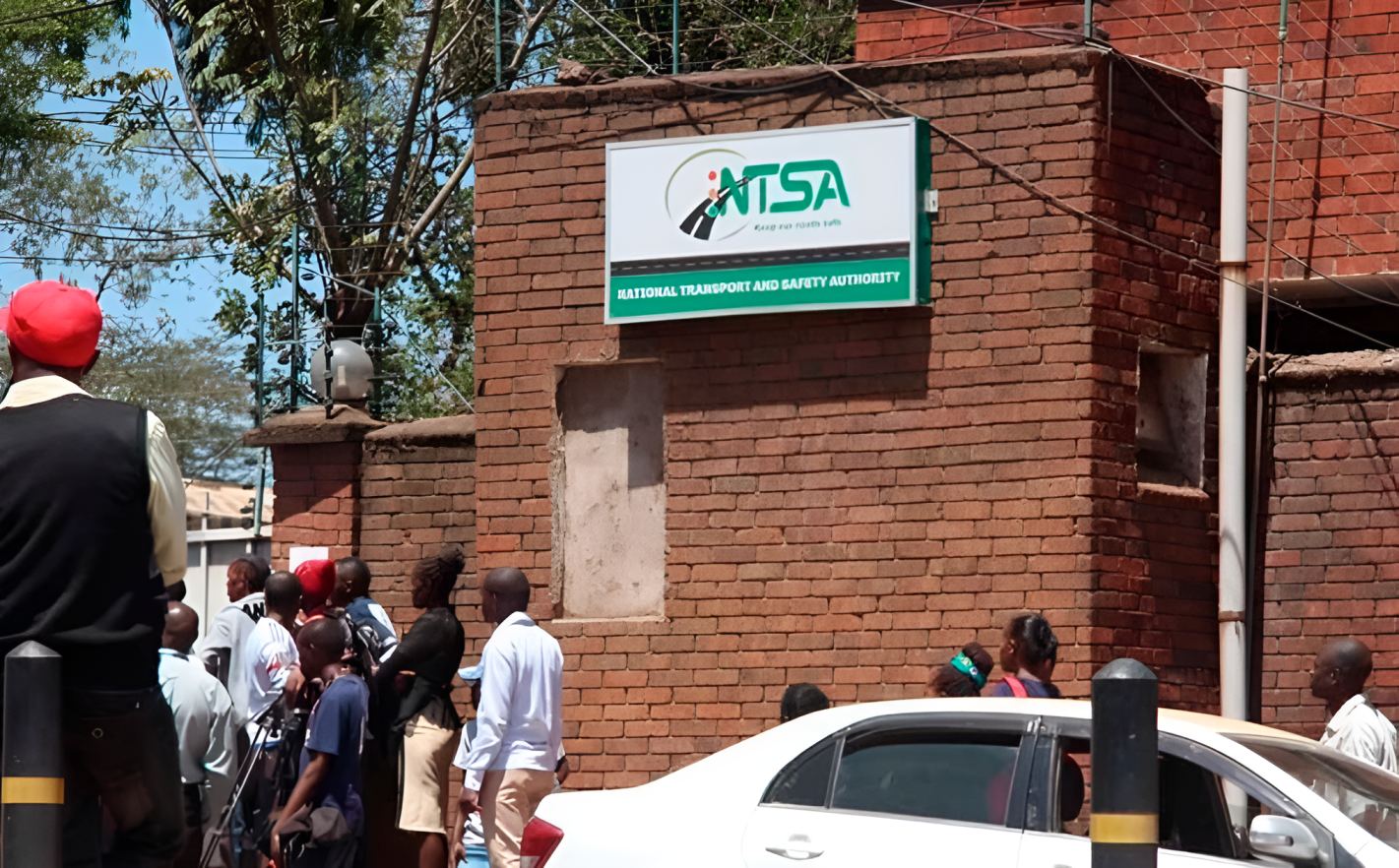
The National Transport and Safety Authority has rolled out a countrywide programme requiring drivers to undergo free eyesight tests, aiming to lower the rising number of deaths on Kenyan roads. The initiative began on Tuesday and will be introduced gradually across all counties, with Nairobi the first to participate.
The move comes after alarming statistics revealed that over 40 people lost their lives in road accidents in just the first 20 days of 2026, marking a record for this period. On the opening day, more than 200 drivers in Nairobi County had their vision checked.
“These are very critical issues, particularly when it comes to what safety for our drivers and everyone actually using our roads. One of the issues we’ve had, particularly the many things that have happened, if you look at December, not so good for us. The entire year, we ended up with 5,000 deaths on our roads, and quite a good amount of those instances are eyesight issues,” said Samuel Musumba, NTSA Manager for Road Safety Programmes.
“You realise most of these journeys were being done very late in the night, and at night, two things will happen. Visibility is poor, so really, this is a very good move. We’ll see drivers can now be able to be told really where the issue is and be corrected.”
NTSA pointed out that most fatal accidents occur during night travel, especially on long-distance routes where drivers often struggle to see clearly. According to the authority, poor night-time visibility is a major factor in road deaths.
Official figures show that Kenya recorded 4,458 fatalities from road accidents in 2025, a 3.4 per cent increase from 4,311 deaths in 2024.
Pedestrians were the most affected with 1,685 deaths, followed by motorcyclists at 1,148, passengers at 723, rear seat passengers at 432, drivers at 403, and pedal cyclists at 67.
Nairobi topped the list of fatalities with 447, followed by Kiambu at 387 and Nakuru at 318. NTSA said speeding, drunk driving, driver fatigue, and ignoring safety rules remain leading contributors to the growing death toll.
The authority has previously enforced mandatory medical and eye checks for drivers, including a major campaign in June 2023. It also noted that most deadly trips happen at night, when visibility is poor and risks are high for everyone on the road.
Previously, the government had banned night travel for long-distance public service vehicles on December 31, 2017, following the Migaa crash that killed 31 people.
The restriction allowed PSV travel only between 6:00 am and 7:00 pm, but the High Court temporarily lifted it in January 2018.
The rollout of eye tests coincides with new NTSA regulations requiring drivers whose licences have been suspended to undergo retraining at registered driving schools before being allowed back on the road.
Free vision checks are part of NTSA’s broader plan to tackle human errors that lead to accidents, complementing existing enforcement and safety measures across the country.



Comments
Sign in with Google to comment, reply, and like comments.
Continue with Google