Ruto orders review of Insurance Act, to fix matatu and digital taxi pressures
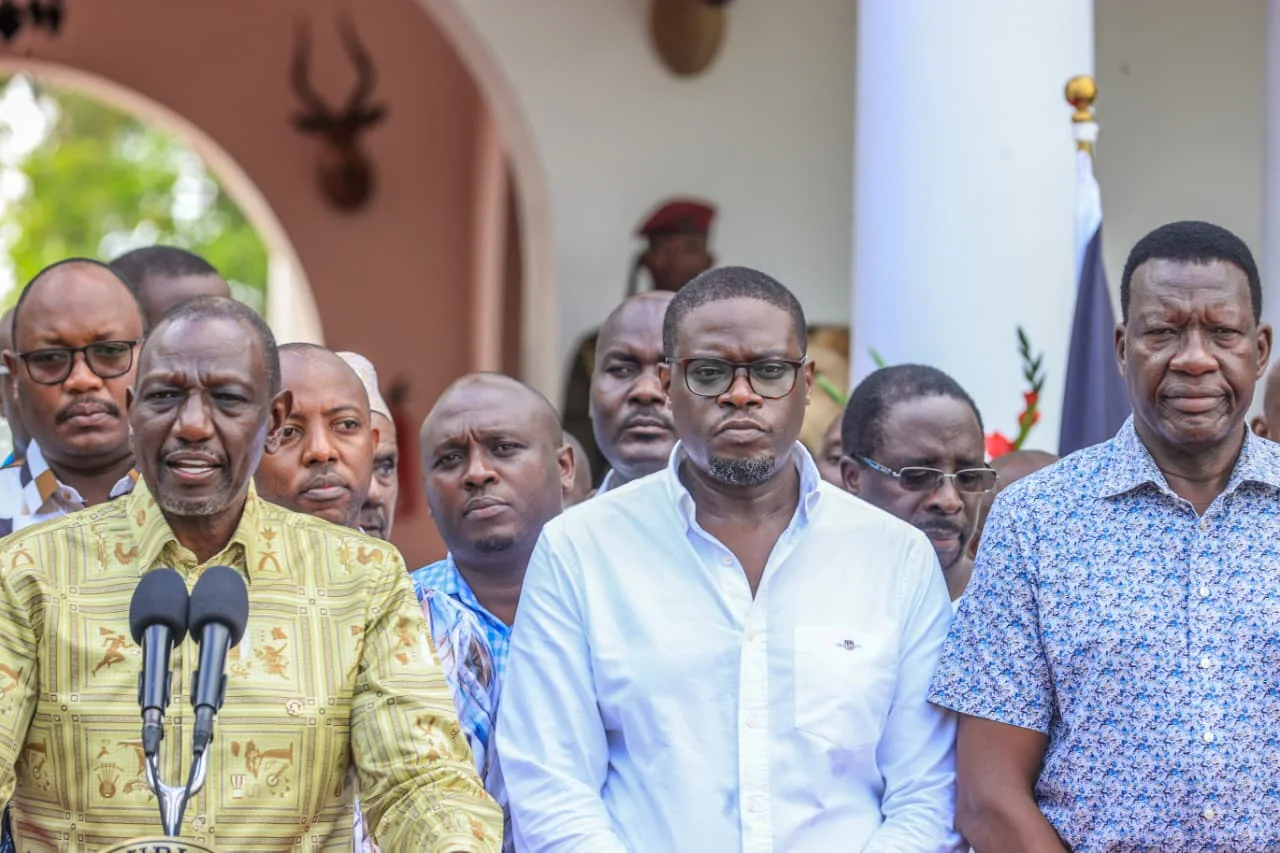
The President said the reforms would help create a more responsive and accountable system for transport operators while restoring confidence in insurance services and easing financial pressure across the public transport sector.
President William Ruto has ordered a review of the Insurance Act and key transport laws within three months, in a move aimed at addressing long-standing complaints from matatu operators over disputed insurance claims, loan burdens, and rising operating costs driven by the ongoing fuel crisis.
The President said the reforms would help create a more responsive and accountable system for transport operators while restoring confidence in insurance services and easing financial pressure across the public transport sector.
Speaking at State House, Mombasa, on Friday, Ruto said concerns raised by transport stakeholders had highlighted the need for urgent changes in the insurance and lending frameworks affecting operators.
He noted that many public transport operators continue to face difficulties despite paying for insurance cover, with some passengers still being forced to meet medical expenses after accidents.
“There is a big issue about transport operators. Despite having insurance covers for their vehicles, passengers end up paying bills when accidents occur,” the Head of State noted.
Ruto said insurance providers must be held accountable and ensure policy holders receive the protection they pay for.
“The President added that insurance companies must understand that an insurance cover has to mean something when it is paid for by our transporters,” he said, calling for reforms to restore accountability and trust in the sector.
He directed that both the Insurance Act and relevant transport laws be reviewed within the next three months to establish what he described as “a more responsive and accountable framework for players within the transport sector.”
According to the President, the government will work closely with banks, insurance firms and regulators to develop a fairer environment for transport operators who are grappling with mounting financial challenges.
The reforms come amid growing complaints from matatu owners over delayed compensation, disputed claims, lengthy legal battles and increasing operating expenses linked to higher fuel prices.
Transport stakeholders have repeatedly accused some insurance companies of frustrating compensation claims through legal technicalities, leaving operators and passengers exposed to losses following road accidents.
Ruto directed the Ministry of Transport to work with the Insurance Regulatory Authority and other stakeholders to resolve the long-standing issues affecting public service vehicle operators.
At the same time, the President announced that the National Transport and Safety Authority (NTSA) would engage digital taxi operators to introduce minimum fare regulations aimed at improving earnings within the ride-hailing sector.
“Some of the people working in that space spend up to 16 hours daily just to sustain themselves,” he said, adding that urgent regulations already developed must now be implemented.
The Head of State also directed NTSA to adopt a more accommodative approach towards matatu culture, including artwork and graffiti on public service vehicles, provided safety requirements are observed.
“The industry is telling me they have been asked to remove artwork from their vehicles, and I am asking myself why,” he questioned.
Ruto further appealed for calm and urged Kenyans not to exploit the current fuel challenges for political purposes.
“While every citizen has a right to express concerns, collectively we must reject hooliganism and violence that destroy lives, property and livelihoods,” he expressed.
He said the government would continue engaging players across the transport industry to find lasting solutions while exploring possible relief measures on loans and implementing insurance reforms to support operators.
The President linked the current fuel challenges to global disruptions caused by instability in the Strait of Hormuz, which has pushed up oil prices internationally and increased the cost of living locally.
He maintained that the government-to-government fuel import arrangement remains critical in ensuring uninterrupted fuel supply across the country and cushioning consumers from deeper supply shocks.
Ruto said the planned reforms in finance, insurance and transport regulation are intended to protect livelihoods, support businesses and maintain economic stability during the current fuel crisis.




Comments
Sign in with Google to comment, reply, and like comments.
Continue with Google