CS Wandayi defends G2G fuel deal, says Kenya’s supply remains stable
The Ministry of Energy stated that fuel imports are arriving on schedule, storage levels remain stable, and distribution through the country’s supply chain is continuing without interruption.
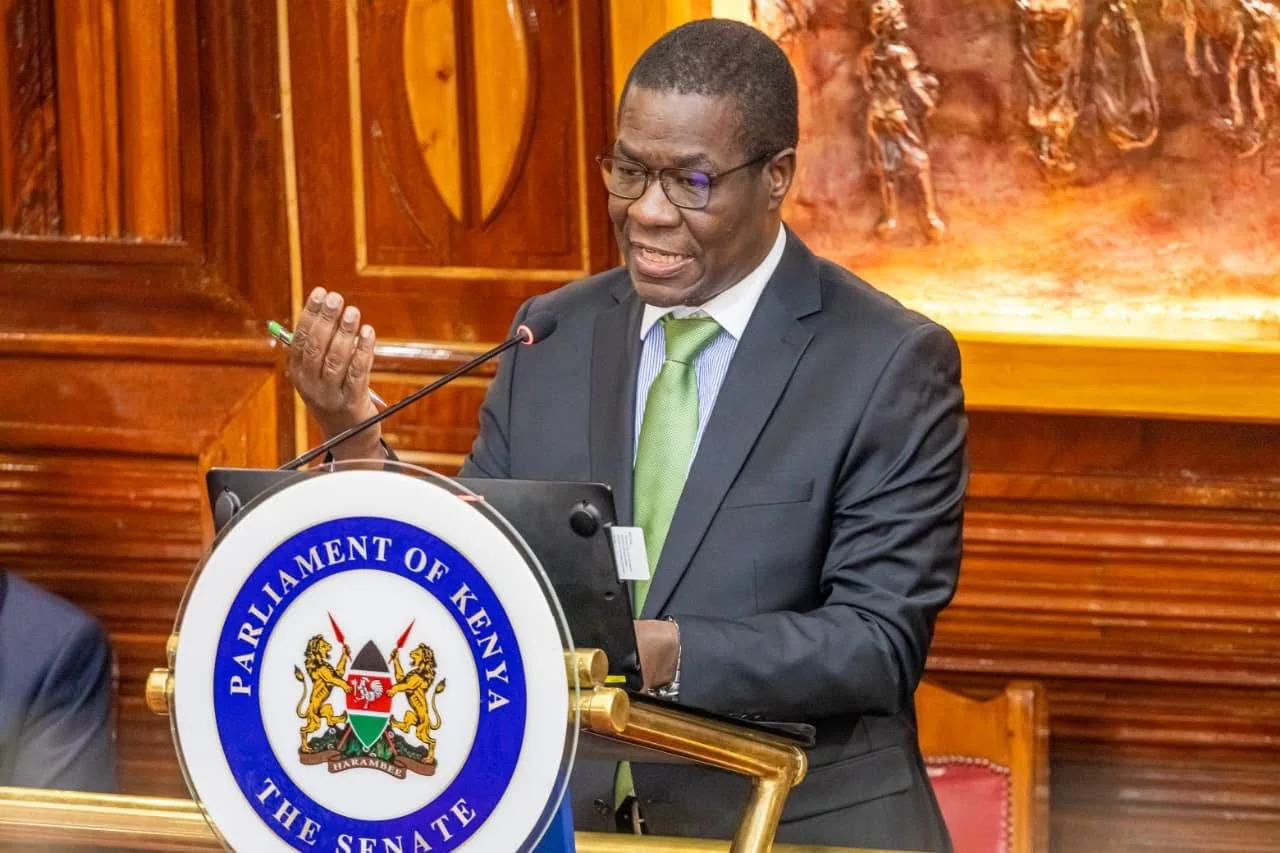
Petroleum Cabinet Secretary Opiyo Wandayi has assured Kenyans that the country has enough fuel stocks and that distribution systems across the country are operating normally despite continued volatility in global oil markets.
In a statement issued on Friday, Wandayi said Kenya has not experienced any fuel shortage and that the government has put in place measures to protect the country from supply disruptions and sharp global price changes.
“The Government remains fully committed to ensuring reliable, accessible, and affordable energy for all Kenyans. Kenya’s priority is clear: keep fuel flowing, keep the economy moving, and protect citizens from unnecessary shocks. I wish to shed more light on two key issues: supply and price,” the CS stressed.
The Ministry of Energy stated that fuel imports are arriving on schedule, storage levels remain stable, and distribution through the country’s supply chain is continuing without interruption.
“On supply, Kenya remains secure. Fuel continues to arrive as scheduled, storage levels are stable, and distribution across the country is ongoing without interruption. There is no national shortage, and systems at the Port of Mombasa and inland depots continue to operate normally. We have institutionalised spot checks at all levels of storage and supply to ensure full compliance,” the statement read.
The clarification comes at a time when concerns have emerged over fuel availability and possible price increases following fluctuations in global crude oil prices and rising shipping costs.
On fuel pricing, the Ministry explained that local prices are heavily influenced by international market conditions, but maintained that the government has established systems to cushion consumers from sudden changes.
“On price, this is determined by global market forces beyond the control of any single country. While international prices have risen and fluctuated in recent months, Kenya’s systems are designed to mitigate these changes in a structured and predictable way.”
The Ministry defended the Government-to-Government fuel import arrangement, saying the framework has helped stabilize supply and shield the country from unpredictable international market conditions.
“The G2G framework is working as intended, anchoring supply, reducing exposure to volatility, and providing a buffer during global uncertainty. This framework provides Kenya with a key advantage: predictability,” it highlighted.
According to the Ministry, freight and premium charges under the G2G arrangement have remained relatively steady at between Sh 10,062 and Sh 12,513 per tonne.
The Ministry noted that some spot market purchases have in comparison recorded higher costs ranging between Sh 32,250 and Sh 38,700 per tonne during the same period.
Officials also pointed to increased diversification in fuel sourcing as part of efforts to strengthen supply stability.
“Cargoes are now being loaded from a broader range of international supply points, including Europe, the US Gulf Coast, India, and the Red Sea region.”
The Ministry said the strategy reduces reliance on a single supply route and improves Kenya’s ability to withstand disruptions in global markets.
Even so, the government noted that while uncertainty in global energy markets still remains, there are signs that pressure on prices could gradually ease.
“There are early signs that global pressures may begin to ease. Changes in demand patterns and improved supply routing are gradually stabilising international markets. While the situation remains fluid and unpredictable, the direction is encouraging.”
The Ministry also revealed plans aimed at strengthening long-term energy security through the development of regional refining capacity.
“In the long-term, plans are also underway to get our own refineries here in our region.”
Wandayi said the Ministry will continue engaging key players across the energy sector, including transporters, oil marketers, regulators, manufacturers, and distributors, as the government monitors developments in the global market.
“We will continue to engage closely with all stakeholders across the energy value chain including; manufacturers, oil marketing companies, transport and logistics players, public transport operators, distributors, and sector regulators while keeping the public informed as the situation evolves.”
Energy officials maintained that Kenya’s fuel supply system remains stable despite ongoing uncertainty in the international energy market.




Comments
Sign in with Google to comment, reply, and like comments.
Continue with Google