Barayan defends Youth Fund impact, cites Sh15.6 billion disbursed to millions of youths
The Youth Enterprise Development Fund, she added, also invests in entrepreneurship training, startup support, business expansion, and development of commercial capacity, with financing offered through both group and individual loan models.
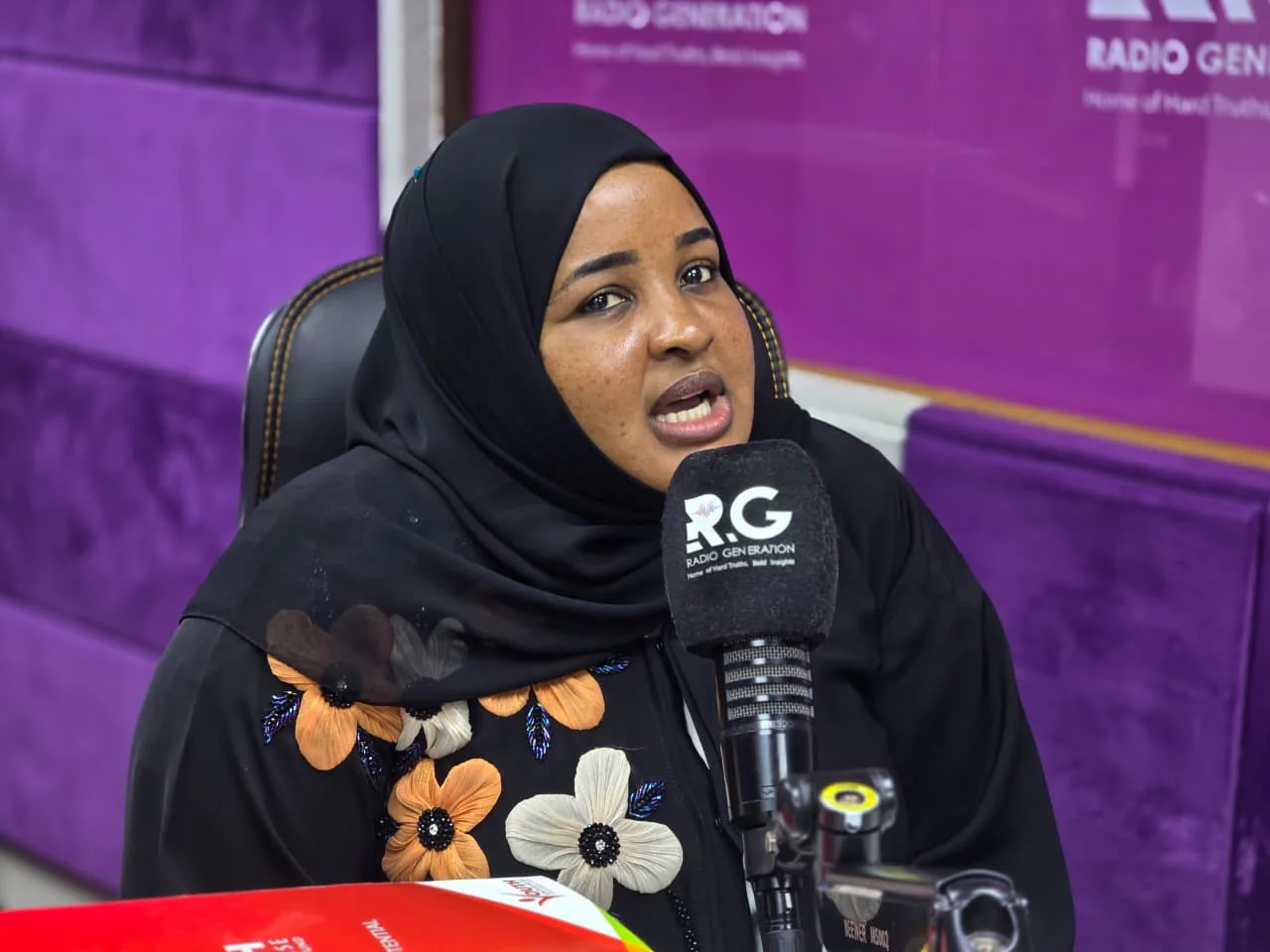
Advocate and politician Fatma Barayan has defended the work and impact of the Youth Enterprise Development Fund, saying the programme has continued to expand access to finance, training, and market support for young entrepreneurs across the country while maintaining a structured repayment system.
Speaking during an interview at Radio Generation on Friday, Barayan said her role as Non-Executive Chairperson is mainly focused on guiding policy direction in line with the mandate of the Fund, which targets youth enterprise growth and job creation.
She explained that the core mandate of the Fund is to support young people through enterprise loans, business training, and linkages that help them market their products and access wider opportunities in the economy.
The Youth Enterprise Development Fund, she added, also invests in entrepreneurship training, startup support, business expansion, and development of commercial capacity, with financing offered through both group and individual loan models.
Barayan noted that loan products range between 100,000 and Sh5 million depending on whether an applicant is starting or expanding a business.
“We support the groups up to 5 million, from 100,000 to 5 million. And for an individual, it is Sh100,000 to Sh5 million, depending on whether you are starting the business or you want to expand your business,” she stated.
She further said the Fund has adjusted its policies to allow more flexible group structures, including arrangements where youth groups may include older members in advisory positions while maintaining youth leadership in executive roles.
On inclusion, she emphasized that eligibility is not limited to those within the country, noting that Kenyans living abroad are also part of the programme under existing labour mobility frameworks.
“It is for the Kenyan youth aged 18 to 34 Whether you are in diaspora or in Kenya we have a mechanism on how we are going to recover that money.” She stressed.
Barayan disclosed that since its establishment, the Fund has disbursed 15.6 billion shillings, reaching more than 2.63 million beneficiaries and supporting over 21,000 enterprises through different financing and capacity-building programmes.
She said the initiative, created in 2006 under Vision 2030 as a response to youth unemployment and limited access to credit, has since been transformed into a state corporation under the State Department for Youth Affairs and the Creative Economy.
The Fund, she added, was designed not only to offer affordable loans but also to provide business development services, market access, and employment opportunities both locally and abroad for young Kenyans aged 18 to 34.
Barayan highlighted a number of success outcomes, pointing to youth-led ICT businesses, small traders who have expanded into supply chains, and health facilities that have grown into higher-level service providers through financing support.
She also noted that asset financing has enabled young entrepreneurs to enter sectors such as public transport, including matatu operations on long-distance routes.
On monitoring and visibility, she acknowledged that tracking impact remains a challenge, saying outreach is largely carried out through county officers, public barazas, and referrals from beneficiaries.
She explained that officers stationed across counties play a key role in loan supervision, recovery, and training, including guiding applicants on proposal writing and financial literacy before funding is approved.
Barayan added that the Fund is expanding its reach through county structures, with plans to strengthen constituency-level presence to improve access, monitoring, and support for youth enterprises.
She maintained that the long-term goal is to ensure youth-led businesses remain sustainable while continuing to create jobs and strengthen Kenya’s economic growth through structured financing and capacity building.



Comments
Sign in with Google to comment, reply, and like comments.
Continue with Google