IEBC to add 9,000 polling stations ahead of 2027 polls
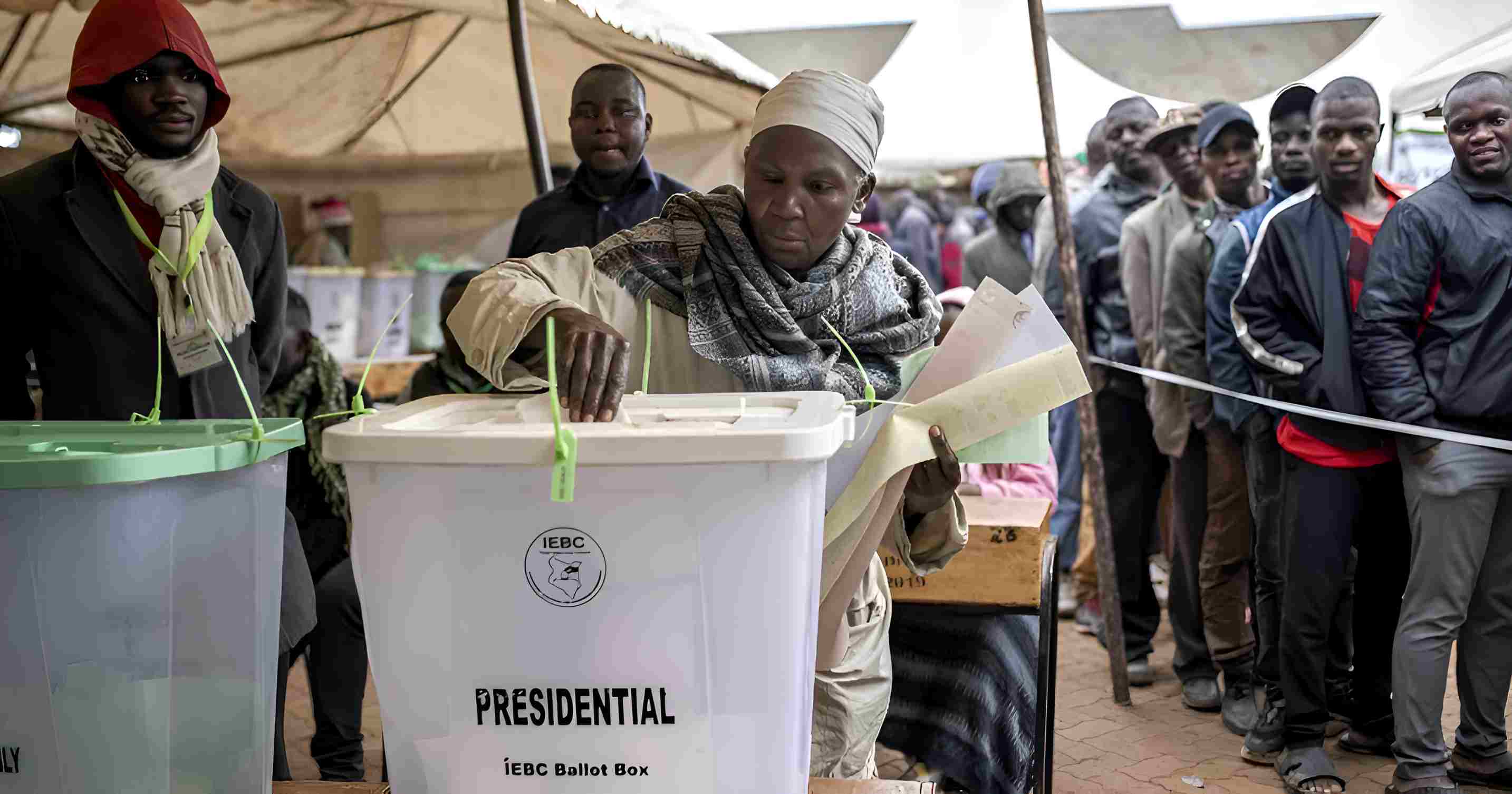
The expansion is aimed at ensuring no polling station exceeds the statutory limit of 700 voters and making the voting process more accessible across the country.
The Independent Electoral and Boundaries Commission (IEBC) has revealed plans to add 9,000 polling stations for the 2027 General Election, bringing the total number to 55,393, up from 46,229 in 2022.
The expansion is aimed at ensuring no polling station exceeds the statutory limit of 700 voters and making the voting process more accessible across the country. According to a parliamentary document, the commission will require 59,959 Kenya Integrated Elections Management System (Kiems) kits, with 3,959 reserved for training election officials at constituency offices.
IEBC Chairperson Erastus Ethekon explained that the new polling stations will be strategically mapped based on ongoing continuous voter registration (CVR) at all 290 constituency offices, as well as the upcoming mass voter registration (MVR) exercises.
“The new polling stations will be set out in areas where the existing polling stations and voter registration centres go beyond the maximum 700 voters,” he said. “There will also be consideration for distance and bringing elections closer to the voters.”
The new polling stations form part of the commission’s baseline guidelines for preparing the next general election. The Elections Act limits the number of voters per polling station to 700 to ensure smooth and efficient elections.
The IEBC plans to retain the existing voter register of 22.3 million, and with the addition of new voters, the total electorate is projected at 28.63 million. The CVR process will continue as mandated by the Constitution, complemented by enhanced annual MVR drives. Verification of the voter register will take place six months before the elections.
In aiming to register 6.3 million new voters, the commission has shifted from relying on census data to using information from the National Registration Bureau (NRB) and the Directorate of Immigration Services (DIS).
The previous census-based approach, which relied on the voting age population (VAP), was found to be inaccurate and not fully reliable. The new method uses voter-eligible population (VEP) data from national identity cards and passports, which Mr Ethekon says “ensures that resources are deployed efficiently and performance benchmarks are realistic and attainable.”
The commission highlighted that the census counts include non-citizens, undocumented citizens, and refugees, which inflated targets and did not accurately reflect those eligible to vote.
To make sure every eligible Kenyan is registered, the IEBC plans to combine CVR, ward-level drives, registration at Huduma Centres, voter registration in institutions of higher learning, and registration of citizens living abroad.
Continuous voter registration resumed on September 29, 2025, allowing eligible citizens to register, update their details, or change their polling stations at any of the 290 constituency offices.




Comments
Sign in with Google to comment, reply, and like comments.
Continue with Google