With the threat of a major escalation hanging in the balance, the United States and Iran stepped back from the brink on Tuesday night, agreeing to a temporary cease-fire that will also allow the safe movement of commercial ships through the Strait of Hormuz.
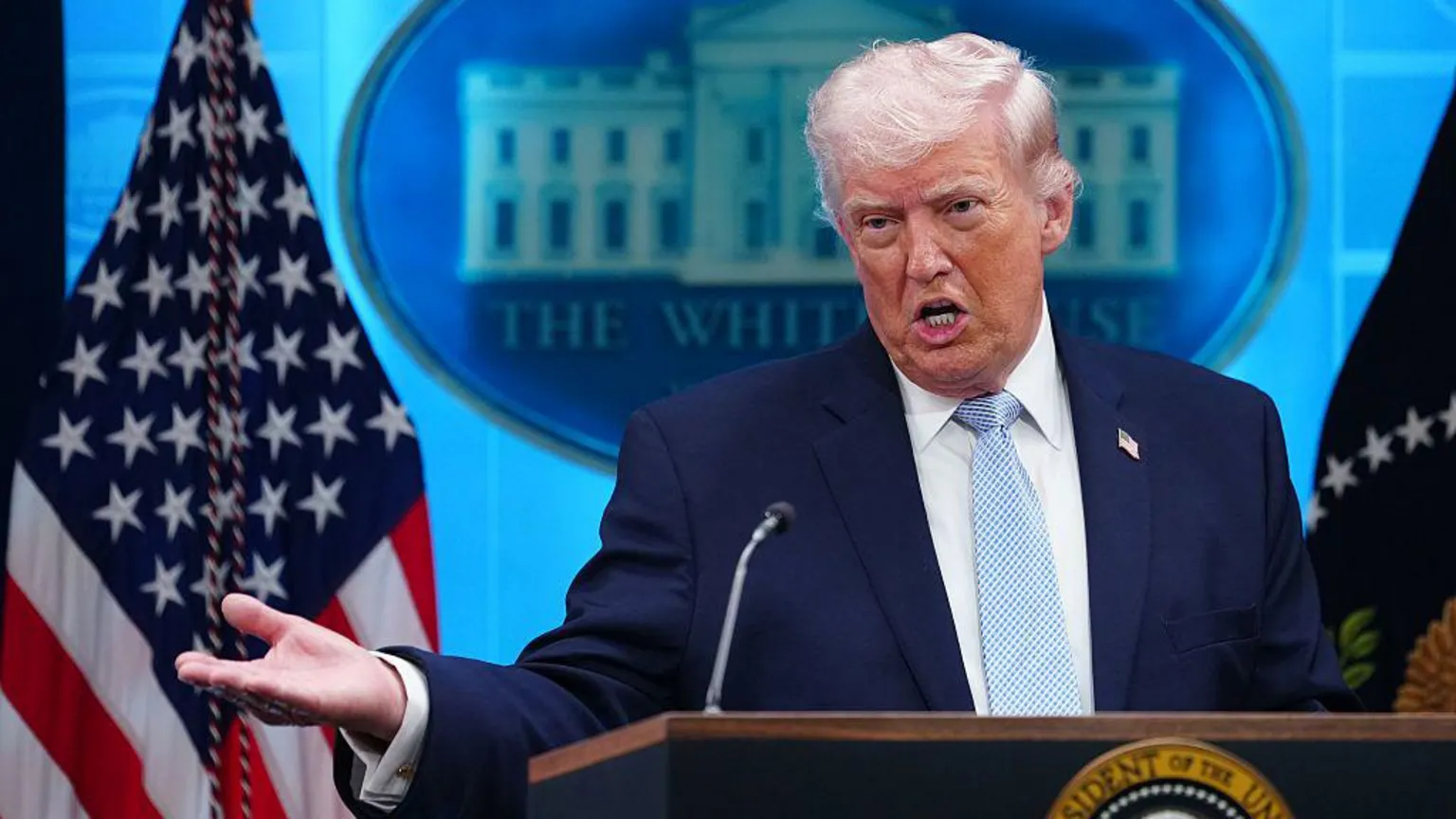
The breakthrough came just hours before a deadline issued by U.S President Donald Trump, following urgent mediation led by Pakistan and late diplomatic backing from China.
The agreement was made public by Trump through a social media post after Pakistan appealed for more time and proposed a cooling-off period. The plan called for both sides to halt hostilities for two weeks while ensuring that vessels carrying oil, gas and other goods could pass through the strategic waterway without interference.
Moments after the announcement, a United States official confirmed that American strikes on Iranian targets had ceased. Iran also signaled it would pull back its operations, with foreign minister Abbas Araghchi stating that the country would “cease their defensive operation,” and that “for a period of two weeks, safe passage through the Strait of Hormuz will be possible” if coordinated with Iran’s military.
The pause in fighting extends beyond the two countries. Israel has also committed to stopping its attacks on Iran during the same period, according to a White House official. The arrangement further covers clashes in Lebanon involving Hezbollah, which had been drawn into the conflict after the war began.
This development offers a brief chance for diplomacy to take hold after weeks of heavy fighting. The conflict began in late February when the United States and Israel launched a series of sustained attacks on Iran, triggering a cycle of retaliation and rising regional tension.
Iran agreed to the proposal after intense behind-the-scenes negotiations involving Pakistani officials and last-minute efforts by China. According to Iranian officials, the country’s national security council later endorsed the deal and framed it as a success, saying its terms had been accepted.
Earlier in the day, uncertainty clouded the situation as it remained unclear whether talks were still underway. Iran had at one point pulled back from indirect discussions as pressure from Washington mounted.
Trump had issued stark warnings, saying key infrastructure could be targeted if Iran did not comply. “A whole civilization will die tonight, never to be brought back again,” he said, while also expressing hope that “maybe something revolutionarily wonderful can happen.”
As the deadline approached, attacks by United States and Israeli forces intensified, raising fears of a wider conflict. At the same time, Pakistan continued pushing for a deal, eventually securing agreement from both sides to step back, at least for now.