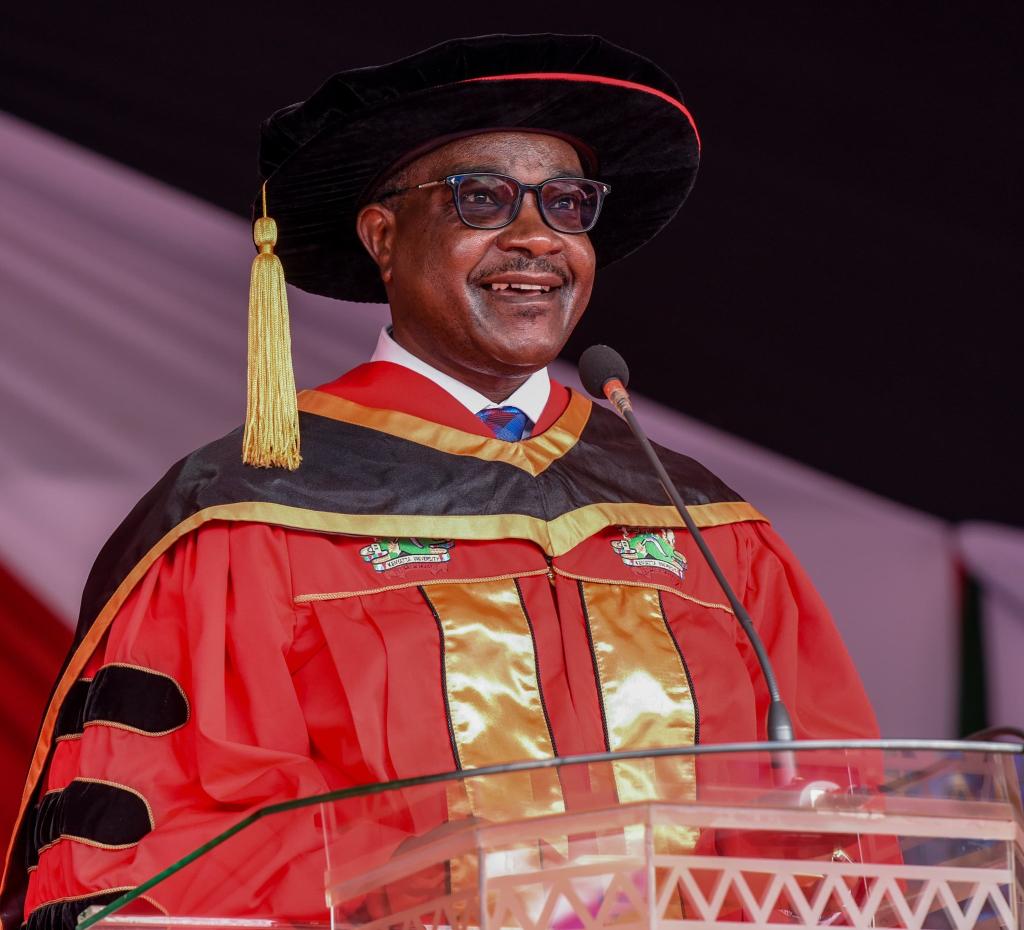
Kenyan universities have started receiving payments to settle part of the long-standing salary arrears owed to lecturers, easing tensions in the higher education sector.
Education Cabinet Secretary Julius Ogamba confirmed that Sh3.8 billion has been deposited into university accounts as the first installment of the Sh7.9 billion owed from the 2017–2021 collective bargaining agreements.
Ogamba acknowledged that the recent strike by university staff, though disruptive, brought attention to valid concerns over delayed salary payments and contract implementation.
“The recent industrial action by our dedicated staff, though unfortunate in its timing and consequences, highlighted a very legitimate concern, the timely negotiation and proper implementation of the signed agreements,” he said.
The CS assured that the balance of the arrears will be paid during the 2026–2027 financial year, reiterating the government’s determination to conclude the 2025–2029 agreements promptly.
“We must and we will break this cycle of industrial strife and build an environment of trust and harmony in our institutions all the way from basic education to higher education,” Ogamba added.
Beyond addressing salary concerns, Ogamba stressed the importance of universities prioritizing innovation and research. He outlined three key focus areas for institutions like Kenyatta University: implementing digital learning for personalized education, using data-driven research to tackle complex problems, and adopting fast, efficient digital systems to replace outdated bureaucracies.
“By focusing relentlessly on this innovation agenda, this university will continue to produce not just graduates, but digitally fluent leaders equipped with transversal skills such as critical thinking, collaboration, and ethical digital citizenship necessary to lead Kenya's economic transformation,” he said.
Ogamba concluded by reaffirming the government’s commitment to the welfare of university staff, stressing its direct impact on the quality of education delivered nationwide. “The government is fully committed to industrial harmony, because university staff are the engine of our education, and their welfare dictates the quality of education that we deliver as a country,” he said.































Comments
Sign in with Google to comment, reply, and like comments.
Continue with Google