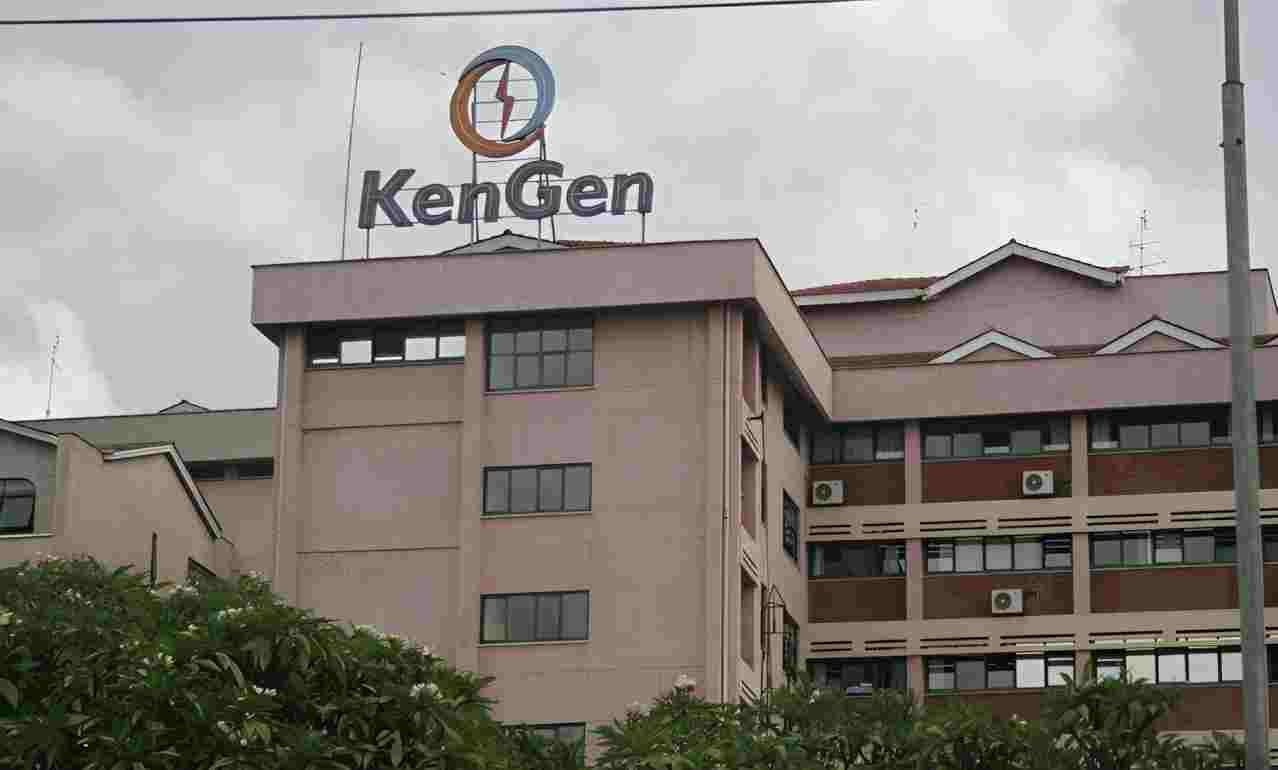
Kenya Electricity Generating Company has increased its provisions for unpaid bills to Sh1.37 billion, responding to growing delays from its main customer, Kenya Power, and other clients.
The surge in uncollected payments reflects ongoing challenges in ensuring that debts are cleared within the agreed credit timelines, according to the company’s latest financial statements for the year ending June 2025.
KenGen’s impairment allowance rose sharply from Sh774.71 million in the previous year, highlighting the impact of delayed payments from both commercial and non-commercial customers.
The accounts show that Kenya Power owed Sh16.65 billion as at June, prompting the company to raise its specific loss provision by 78 percent to Sh830.99 million.
This reflects persistent difficulties in recovering funds from the utility company within the 40-day credit period stipulated in their agreement.
The non-commercial client category also experienced a significant increase in potential defaults. KenGen set aside Sh545 million for these receivables, up from Sh308 million the year before.
By the end of June, outstanding amounts from this group totaled Sh1.27 billion, compared to Sh982.42 million previously. Two companies, including an overseas firm, accounted for Sh890 million of this balance, underscoring the concentration of risk within a few accounts.
Auditor-General Nancy Gathungu highlighted the problem in her audit, noting that a large portion of KenGen’s receivables exceed the usual 30 to 90 days expected under typical credit arrangements. She warned that weak contractual terms have left the company exposed to delayed payments.
“The extended outstanding receivables are attributed to weak contractual terms with clients, which do not sufficiently safeguard timely payment,” said Gathungu.
“Delayed collection of receivables would negatively affect the company's cashflows and working capital position, while the prolonged outstanding balances increases the risk of bad debts, which may require additional provisions and results in financial losses. The situation could also impact on the company's ability to fund operations and meet its obligations when they fall due.”
KenGen continuously monitors its receivables and classifies amounts beyond the credit period as impaired, with estimates made for doubtful debts at the end of each financial year. Despite the measures, Kenya Power’s average payment cycle remains at 113 days, far above the agreed 40-day term.
These delays have forced the company to expand its impairment allowance, as it braces for the possibility of defaults affecting its finances and day-to-day operations.































Comments
Sign in with Google to comment, reply, and like comments.
Continue with Google