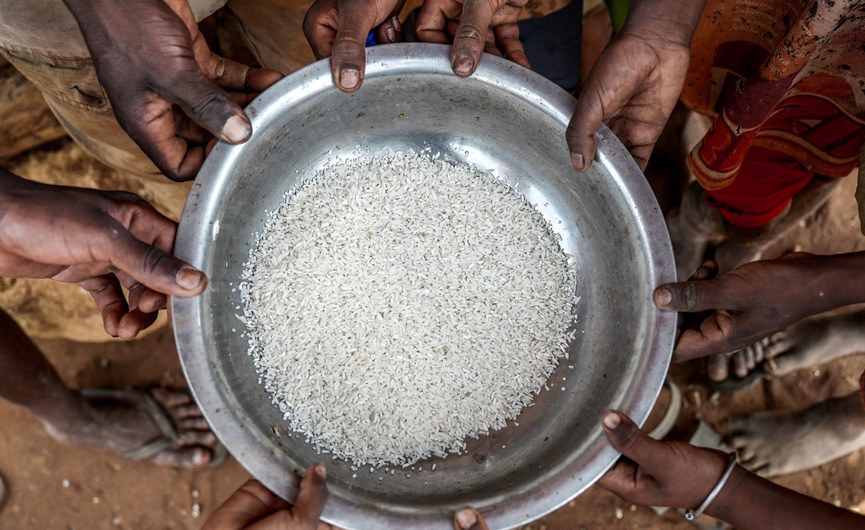
Millions of people in northern Nigeria are facing an escalating hunger crisis, with the World Food Programme warning that almost 35 million residents could struggle to find enough food between May and September 2026. The scale of the problem is unprecedented in the region, surpassing all previous records of food insecurity.
The WFP report released on Tuesday relies on the latest Cadre Harmonise assessment of food and nutrition across West Africa and the Sahel. It shows that Borno State remains the hardest hit, where ongoing insurgent attacks have devastated communities and disrupted farming and livelihoods for more than 16 years.
According to WFP forecasts, about 15,000 people in Borno may face “catastrophic hunger” or conditions comparable to famine in the coming year. Children are among the most affected, with malnutrition rates already alarmingly high in Borno, Sokoto, Yobe, and Zamfara states. Across the rural farming areas of Borno, Adamawa, and Yobe, nearly six million individuals are struggling to meet even basic food needs.
"The advance of insurgency presents a serious threat to stability in the north, with consequences reaching beyond Nigeria," said David Stevenson, WFP's Nigeria country director. "Communities are under severe pressure from repeated attacks and economic stress."
Northern Nigeria is confronted by the twin challenges of violence and hunger. While Boko Haram continues to assault communities in the northeast, other armed groups in central and northwestern states are also causing insecurity.
Recent incidents include the kidnapping of over 300 children and 12 teachers from Saint Mary's Catholic School in Niger State, the abduction of 25 high school girls in Kebbi State, and 38 churchgoers taken during a service in Kwara State.
The region’s hunger crisis is also worsening because of funding shortages.
In July, WFP was forced to scale back its nutrition programme, leaving more than 300,000 children without support and raising malnutrition from "serious" to "critical." With reductions in contributions from major donors, including the United States, the agency risks running out of emergency food and nutrition supplies by December.
Experts say urgent international support is critical to prevent widespread famine and protect millions of people in northern Nigeria. Without immediate intervention, the food crisis could have devastating and long-term consequences for children and communities across the region.































Comments
Sign in with Google to comment, reply, and like comments.
Continue with Google