KRA cracks down on Eastleigh traders over missing eTIMS invoices
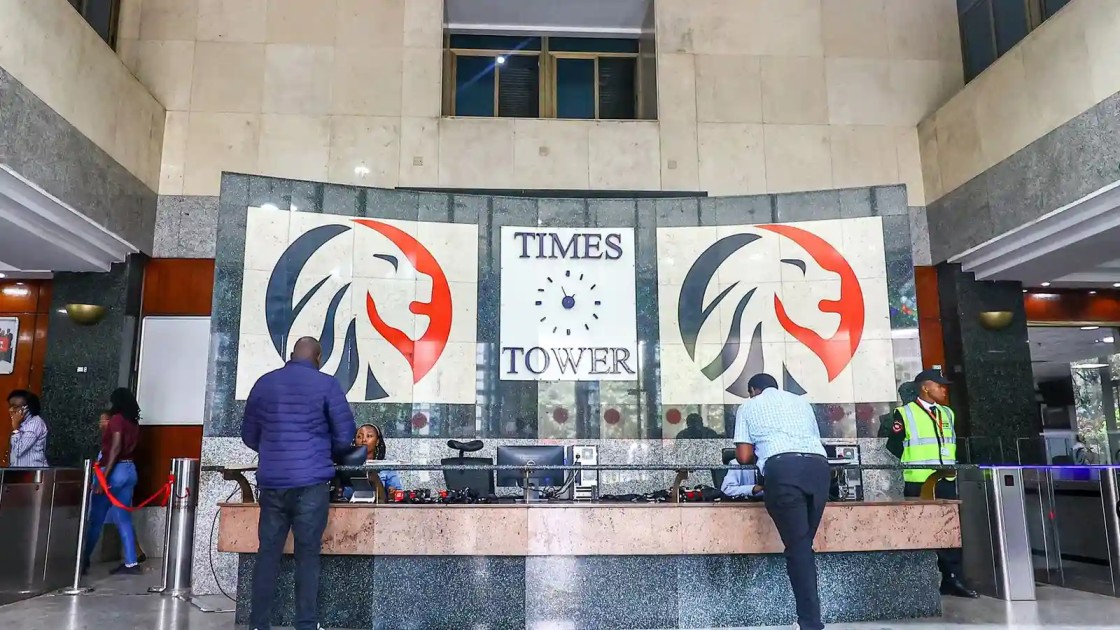
The agency raised concerns that firms sourcing goods from Eastleigh are struggling to secure the required electronic invoices, making it difficult for them to account for expenses and reduce their taxable income
The Kenya Revenue Authority has moved to tighten oversight in Eastleigh following findings that many traders are not using the Electronic Tax Invoice Management System, a lapse that is now affecting tax compliance for businesses far beyond the busy trading hub.
The agency raised concerns that firms sourcing goods from Eastleigh are struggling to secure the required electronic invoices, making it difficult for them to account for expenses and reduce their taxable income.
“Many businesses across the country source goods from Eastleigh but face challenges in obtaining eTIMS invoices, which are critical for expense claims,” said KRA Commissioner for Micro and Small Taxpayers George Obell following a consultative meeting with the Eastleigh Business District Association (EBDA) on Monday.
EBDA Secretary-General Omar Hussein called on traders to step up community cooperation in order to improve tax compliance and make sure all businesses operate within their required tax brackets, including Value Added Tax and other applicable categories.
He pointed out that one of the biggest challenges within the trading community is the failure to issue receipts, urging all business operators in the city to ensure every sale is properly documented.
“We need to engage our people as a community of traders so that they can meet their tax obligations in every aspect of their businesses. Taxation has different categories, and every trader falls under a specific bracket, whether VAT or any other category,"
"The main concern they have raised as a community and as our members is that people do not issue receipts. I urge every member doing business in the city to ensure they issue receipts. eTIMS receipts cannot only be issued through a computer; they can also be issued using a phone, because there are simplified ways of handling tax matters,” he said.
“I am urging all our community members to issue receipts for every transaction they carry out. This concern has been raised from across the country. Eastleigh is a hub where people come and do business from Eastern and Central Africa. When you go around the country, you will find that people are not complying, and when they ask for receipts for goods purchased, they do not get them from some business community members.”
Under tax rules, businesses must have valid electronic invoices to support expense claims. Without them, even genuine purchases may not be recognised, leaving compliant traders exposed to higher tax obligations.
KRA says the situation is driven by the dominance of cash transactions in Eastleigh, where some traders avoid issuing receipts. This weakens transaction tracking, fuels non-compliance, and gives an advantage to informal operators who do not follow tax requirements.
Traders whose annual turnover reaches Sh5 million are required to register for Value Added Tax at 16 percent, while all businesses are expected to use eTIMS for invoicing.
For smaller businesses, the challenge grows when dealing with suppliers who do not meet the Sh5 million VAT threshold and are therefore not required to issue electronic invoices. Buyers in such cases must generate their own invoices through the eCitizen platform to support their stock records, adding extra work to routine operations.
Businesses earning between Sh1 million and Sh25 million fall under turnover tax charged at 1.5 percent of gross sales as outlined in the Finance Act 2023. Although this system is meant to ease compliance, missing invoices continue to complicate record keeping and make it harder for businesses to justify their expenses.




Comments
Sign in with Google to comment, reply, and like comments.
Continue with Google