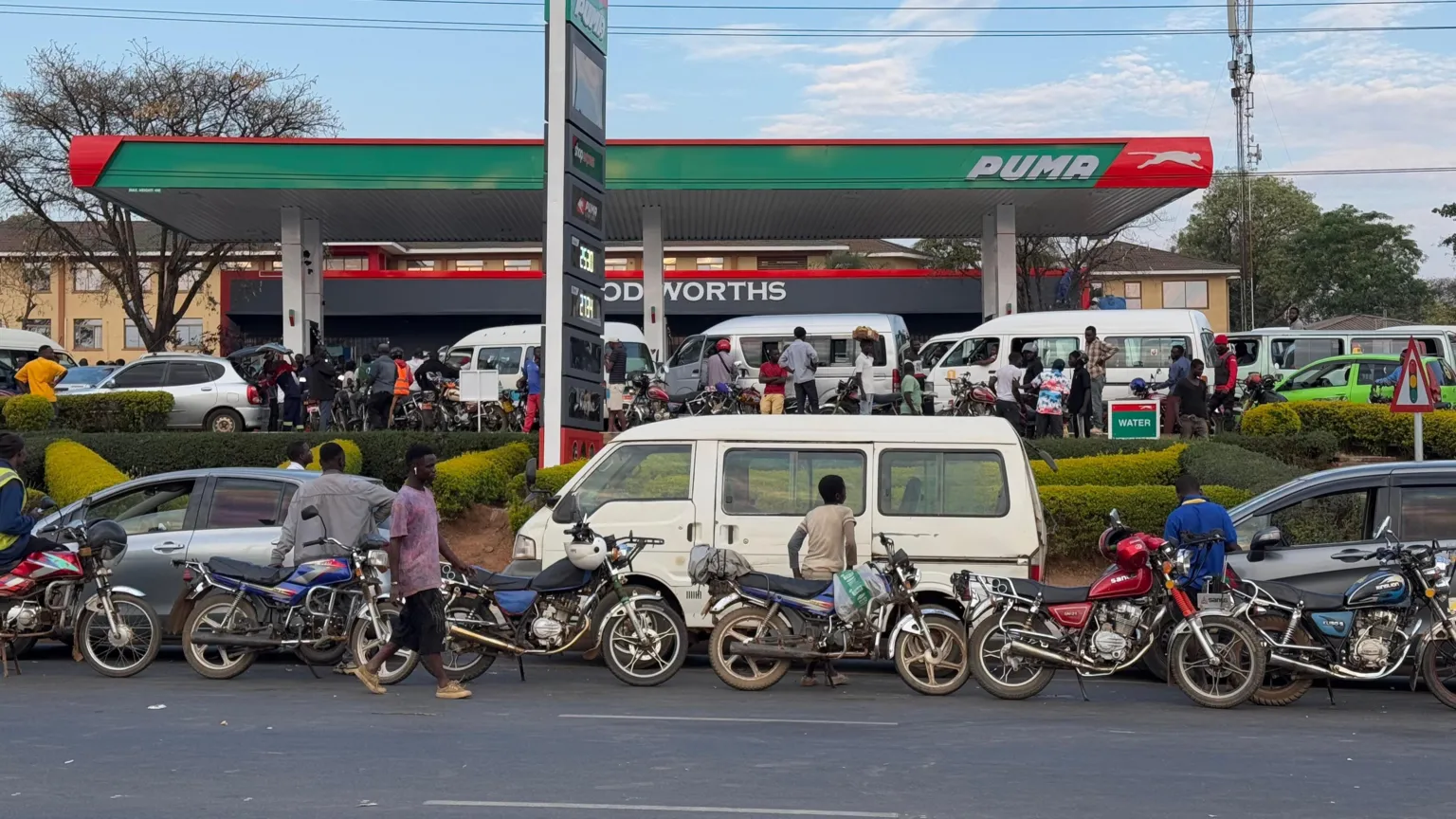
Malawi is facing another surge in fuel costs as petrol and diesel prices have jumped by more than 40 percent, marking the second increase in just four months and raising worries about the impact on daily expenses for citizens.
The Malawi Energy Regulatory Authority said in a statement on Tuesday that the fixed pricing system under the previous government could not be maintained, describing it as “unsustainable” and a source of “significant” losses. The regulator’s announcement comes as President Peter Mutharika, who returned to power last year, works to stabilize the country’s fragile economy.
Under the new adjustment, diesel prices have climbed by 41.3 percent while petrol has risen by 41.9 percent. Since October, when Mutharika took office, fuel costs have increased sharply, with petrol up by 95 percent and diesel by 80 percent.
Local analysts and civil society organizations warn the latest increase could worsen the financial burden on households already grappling with high costs. “Fuel is not a luxury commodity. Any increase has a cascading effect on the cost of living,” said the Human Rights Defenders Coalition.
Fuel shortages had previously frustrated motorists under former President Lazarus Chakwera, resulting in long queues at gas stations. While supply has improved in recent months, the price hike threatens to strain household budgets once again.
Mera explained that fuel pricing will now follow an automatic system that reflects the actual cost of bringing in and transporting petroleum products. The move is intended to prevent future shortages and maintain steady fuel availability.
Immediately after the announcement, transport fares increased in many areas, and prices for essentials, including food, are expected to follow suit. Earlier in October, a similar fuel increase and a sales tax rise already pushed costs upward.
Dad Chinthambi, acting chief executive of Mera, defended the decision, saying the rise was required “to ensure sustainable fuel supply, electricity services, and the proper remittance of levies to support road maintenance and rural electrification projects”.
The government is also seeking to improve public finances and negotiate a new aid package with the International Monetary Fund. On social media and radio call-in programs, Malawians expressed disappointment, with many saying they had hoped Mutharika’s government would ease, rather than exacerbate, economic hardships.































Comments
Sign in with Google to comment, reply, and like comments.
Continue with Google