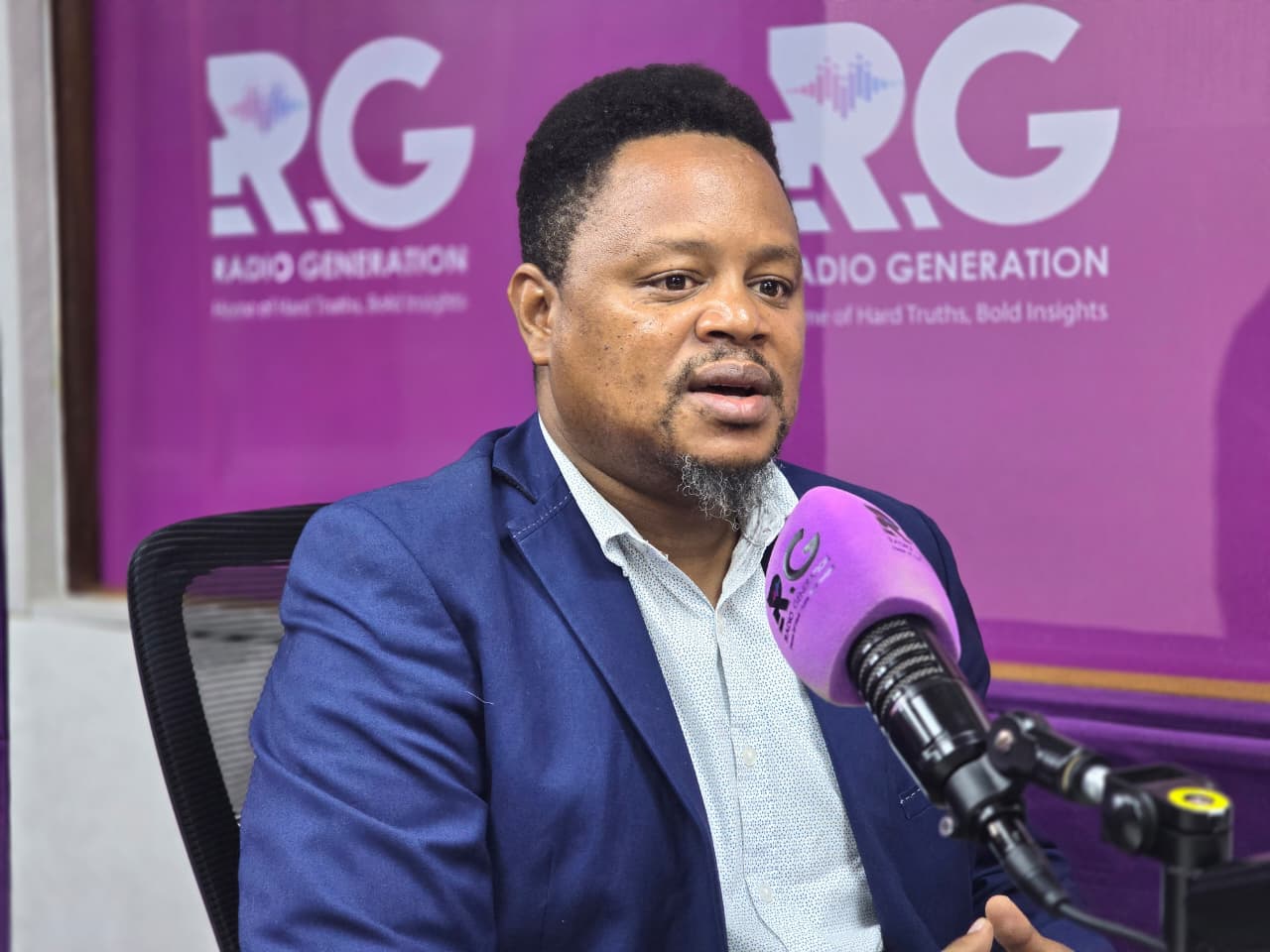
Urban governance expert Titus Kaloki has warned that Africa’s rapid urbanization is outpacing inclusive planning, with Kenyan cities increasingly prioritizing profit over people.
Speaking during an interview on Radio Generation, Kaloki noted that by 2050, about 70 per cent of Africa’s population will be living in urban areas, with cities growing by an estimated 25 million people every year.
“We are talking about 70 per cent of Africa living in urban areas by 2050,” Kaloki said, adding that the continent will host most of the world’s largest cities, many with populations exceeding 10 million.
He observed that while urbanization is inevitable and already underway, governance systems have failed to keep pace with the scale and complexity of this growth.
Turning to Kenya, Kaloki pointed out that the country now has five chartered cities, including Nairobi, Mombasa, Kisumu, Nakuru and Eldoret. However, he argued that only Nakuru appears to be making meaningful progress.
“From my own assessment… Nakuru seems to be progressing well, and the others seem to not yet have actually had a clarity of vision,” he said.
According to Kaloki, the core challenge lies in the lack of inclusive, citizen-centred urban governance. “We have not been able to come up with systems of governance that are inclusive, that can actually tilt urbanization from being business-centred to citizen-centred, which I think is the biggest problem we have,” he noted. “We are just focused more on profit over people.”
Drawing from his engagement with Nairobi through the “Just Cities” project, Kaloki stressed the importance of defining whom cities are being built for.
“Before you do anything, you must first ask yourself, for whom are you building this city?” he said, explaining that Nairobi residents have diverse needs that current developments fail to address.
He criticised the surge in high-end apartments, questioning their relevance to the majority of residents. “It is not bad to have high rises, but if you look, they don’t even cater for the middle class. I mean, 19 million — who’s going to afford that?” Kaloki asked.
He further questioned whether such developments accommodate the elderly or persons with disabilities, citing poor accessibility and design.
Kaloki warned that the absence of a shared vision has left Nairobi without a clear future outlook. “If you ask somebody, how do you see Nairobi in 2030, do we have a picture?” he posed. “That vision is lacking.”
He also raised concerns about speculative development and strain on urban services, including excessive drilling of boreholes.
“There’s this straining of services and amenities… I remember one time the President was joking with me and telling me Nairobi could sink,” Kaloki said.
Ultimately, he argued that unless cities shift from profit-driven development to people-centred planning, urban growth will continue to deepen inequality rather than deliver livable, inclusive cities.
According to RSIS International, many African cities face rapid, often exclusive urbanization, but places like Cape Town, Dakar and Port Louis demonstrate more inclusive models through integrated planning, quality public spaces and cultural integration, balancing economic growth with social cohesion and service delivery.
Despite persistent challenges such as informal settlements in Johannesburg and infrastructure strain in Lagos and Accra, these examples show that proactive planning, investment in social infrastructure and formalizing informal economies are essential to achieving equitable, people-centred urban development across the continent.































Comments
Sign in with Google to comment, reply, and like comments.
Continue with Google