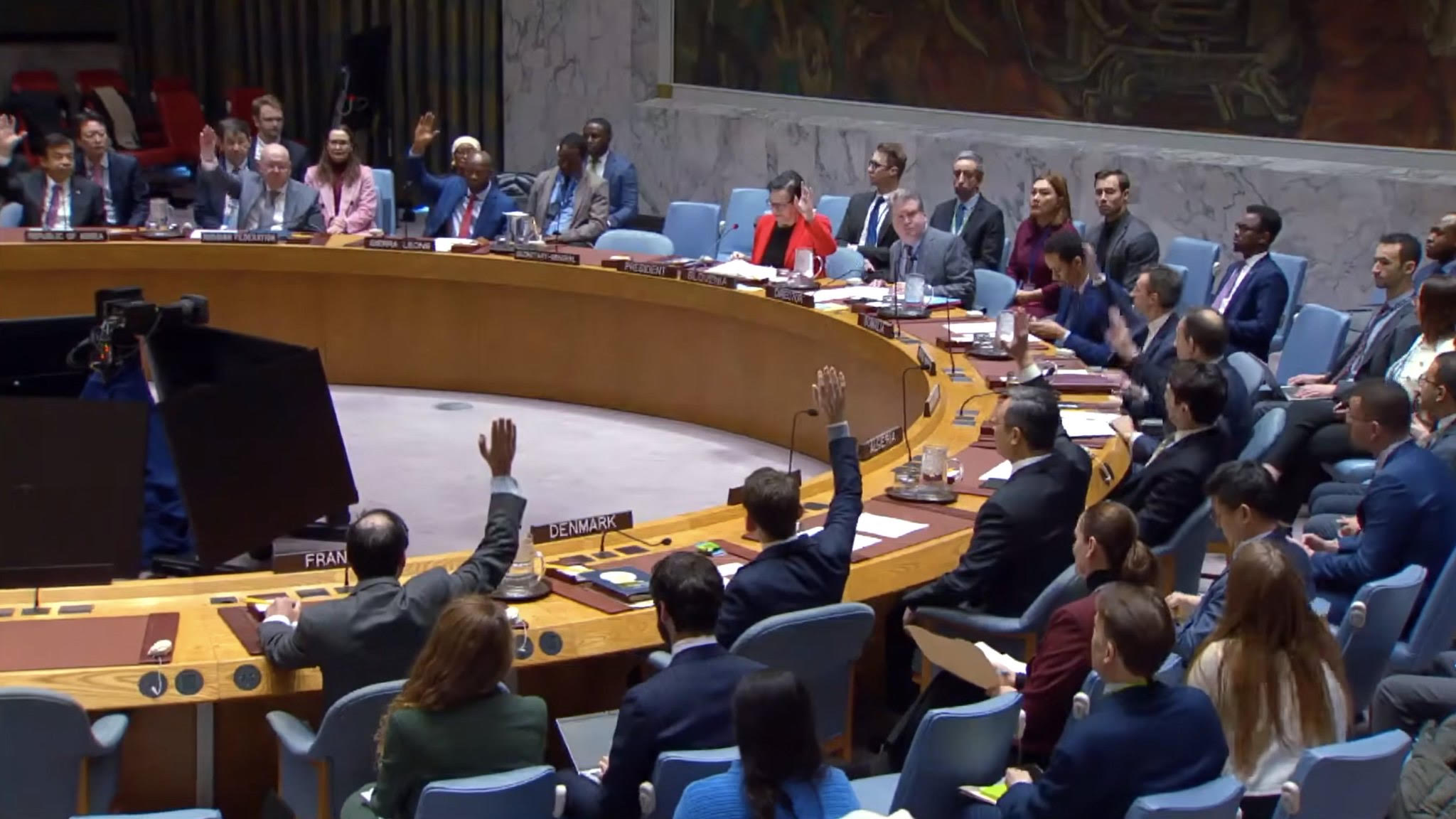
The UN Security Council has decided that African Union forces will continue playing a central role in Somalia’s security efforts, approving a one-year extension of the African Union Support and Stabilisation Mission in Somalia amid growing alarm over its financial future.
Under the unanimously passed resolution, AUSSOM will remain active until December 31, 2026, with 11,826 uniformed personnel authorised to stay on the ground, including 680 police officers.
Council members said the extension reflects the reality that Somalia’s campaign against Al-Shabaab still depends heavily on international backing.
At the same time, the Council sounded a clear warning over the mission’s fragile finances, calling on both “traditional and new donors” to urgently close widening funding gaps.
Members cautioned that without steady financial support, Somalia’s national forces and their African Union partners may struggle to maintain recent security advances.
Troop-contributing countries have repeatedly raised concerns over the growing strain on the mission. Capitals such as Nairobi, Kampala and Addis Ababa have argued that expectations placed on AUSSOM continue to rise even as available resources shrink.
The resolution also addressed the future of another UN operation in Somalia. The United Nations Transitional Assistance Mission in Somalia is set to end on October 31, 2026, following the completion of its second transition phase.
Council members backed the Secretary-General’s plan outlining how the mission will wind down, while strongly condemning ongoing Al-Shabaab attacks across Somalia and neighbouring areas.
After the vote, discussions among Council members focused largely on financial issues rather than security planning. Speaking for Algeria, Guyana, Sierra Leone and Somalia, Sierra Leone’s delegate said key matters had not received adequate attention during negotiations.
He cautioned that AUSSOM’s continued lack of funding “seriously impedes its objectives and risks reversing the progress achieved.”
France urged new donors to step forward quickly to stabilise the mission’s budget, while Denmark stressed AUSSOM’s importance in supporting logistics for the UN Support Office in Somalia.
Pakistan echoed concerns raised by the African Union, warning that the mission cannot meet transition deadlines without predictable, long-term funding, particularly when those timelines are set far from Somalia.
Russia voiced reservations about widening the scope of the mandate discussions, arguing that the Council should focus strictly on security issues and align closely with Somalia’s priorities rather than expanding UN reporting demands.































Comments
Sign in with Google to comment, reply, and like comments.
Continue with Google