Kenya’s economy is showing strong momentum in 2025, with over two million jobs created and inflation dropping to 4.6 per cent, the government has reported.
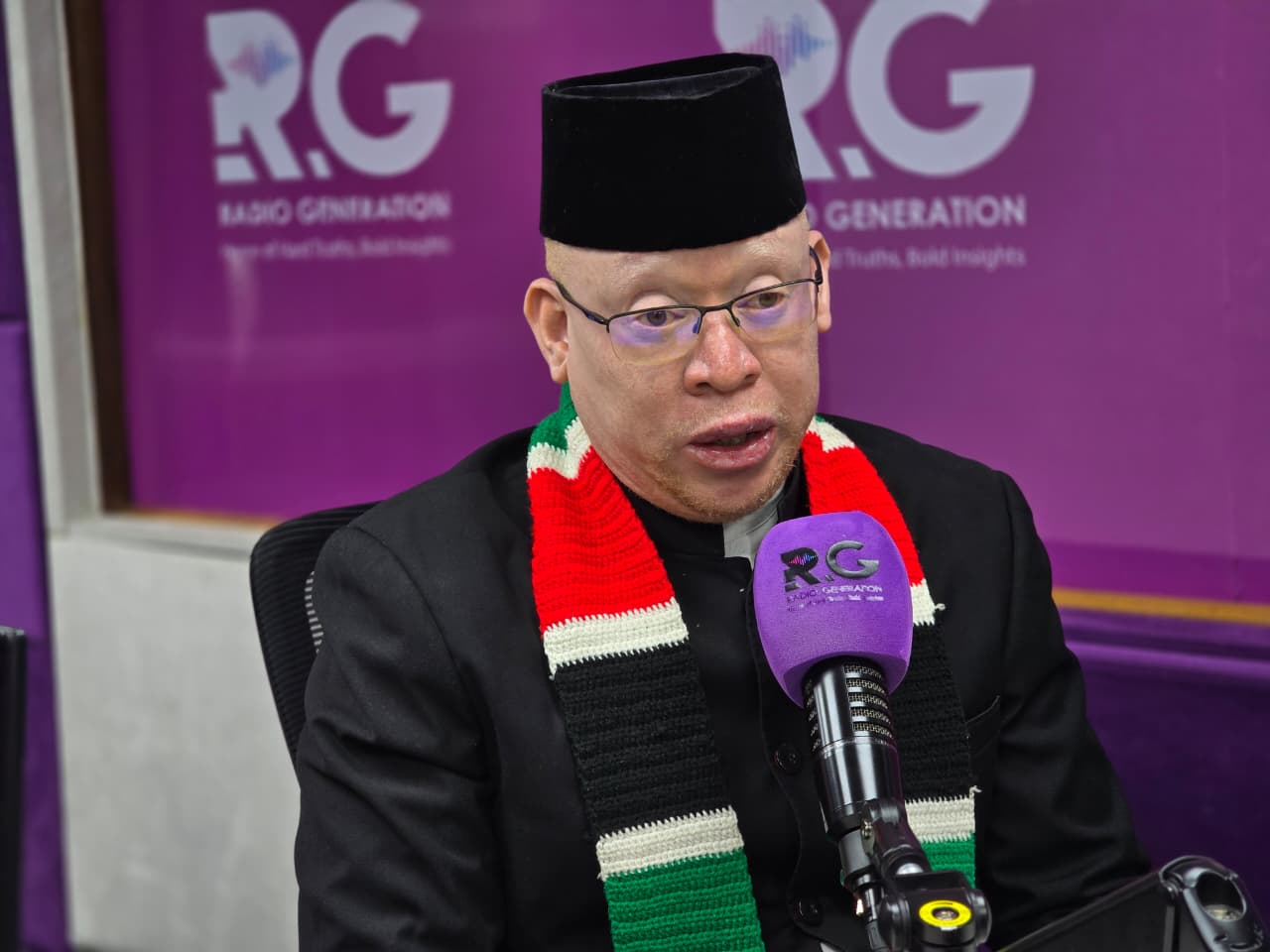
Government Spokesperson Isaac Mwaura announced the figures during a briefing at Harambee House on Friday, 19 December 2025, noting that the nation has progressed from recovery into a period of sustained economic growth supported by stable financial conditions, strategic reforms, and investments that focus on citizens’ welfare.
Mwaura said the government’s priority has been to expand opportunities across agriculture, small enterprises, manufacturing, tourism, and overseas employment, aiming to boost incomes and inclusion.
"Further, Kenya is deliberately transitioning from a Third World economy defined by exclusion to a First World economy anchored in economic freedom, productivity, and shared opportunity. The Bottom-Up Economic Transformation Agenda (BETA) is the vehicle for this shift, expanding access to capital, markets, skills, and modern systems for millions previously locked out of formal economic life," said Mwaura.
In agriculture, Mwaura highlighted that more than 7.1 million farmers have been digitally registered, improving access to inputs and cutting out middlemen. Over 21 million bags of subsidised fertiliser have been delivered, reducing the cost from Sh7,500 to about Sh2,500 per bag, saving farmers roughly Sh105 billion.
Maize production is projected to increase from 44 million to 70 million bags in 2025, while tea revenue has risen to Sh215 billion. Coffee exports have grown by 73 per cent, reflecting a strong performance in cash crops.
Efforts to strengthen rural incomes are also bearing fruit, with sugar, cotton, livestock, dairy, cashew, and coconut production on the rise. The revival of six cotton ginneries has created 700 jobs in counties such as Busia, Bungoma, Kitui, and Embu. In addition, 100 high-capacity grain dryers are expected to generate around 10,000 additional rural jobs.
Tourism has also contributed to job creation, with the sector earning Sh452 billion in 2024 and supporting over three million jobs. Mwaura projected that earnings could reach Sh1.2 trillion in 2025.
The government has signed six bilateral labour agreements with countries including the UK, Saudi Arabia, UAE, Qatar, Germany, and Austria, placing more than 452,000 Kenyans in jobs abroad, including 586 nurses cleared for overseas deployment.
The government has continued to support Micro, Small, and Medium Enterprises.
“The Hustler Fund has disbursed over Sh80 billion, while 26 million Kenyans now have a formal credit score, rehabilitating millions previously excluded by CRB listings. Over 7 million citizens have cleaned their credit records, and 3 million MSMEs are now formally banked,” Mwaura said.
He said the NYOTA Programme is providing apprenticeships, training, grants, savings support, and access to government supply opportunities for 820,000 young people. The refurbishment of 31 Constituency Industrial Development Centres is expected to create 9,000 jobs, while the Micro and Small Enterprises Authority has already supported 2,001 youth jobs and connected enterprises to local and regional markets.
In healthcare, Mwaura noted that Kenya has transitioned to the Social Health Authority, with over 27 million people now registered, tripling coverage compared to the previous system. Over 10,000 health facilities are onboarded, and 107,000 Community Health Promoters are actively serving households, achieving 68 per cent preventive care coverage.
The government fully covers premiums for 2.3 million vulnerable Kenyans, while cancer treatment cover has increased from Sh550,000 to Sh800,000 per patient. Ongoing reforms at KEMSA are improving the availability of medicines, targeting supply levels between 90 and 100 per cent, strengthening healthcare services across the country.
Mwaura also pointed to progress in digital infrastructure and the creative economy, noting that more than 24,000 kilometres of fibre optic cable have been laid, expanding national connectivity by over 50 per cent since 2022.