The Hustler Fund faced intense scrutiny on March 5, 2026, after the Auditor-General issued a Disclaimer of Opinion on its 2023/2024 financial statements, exposing gaps in documentation, unsupported cash balances, miscalculated interest, and a large portion of non-performing loans.
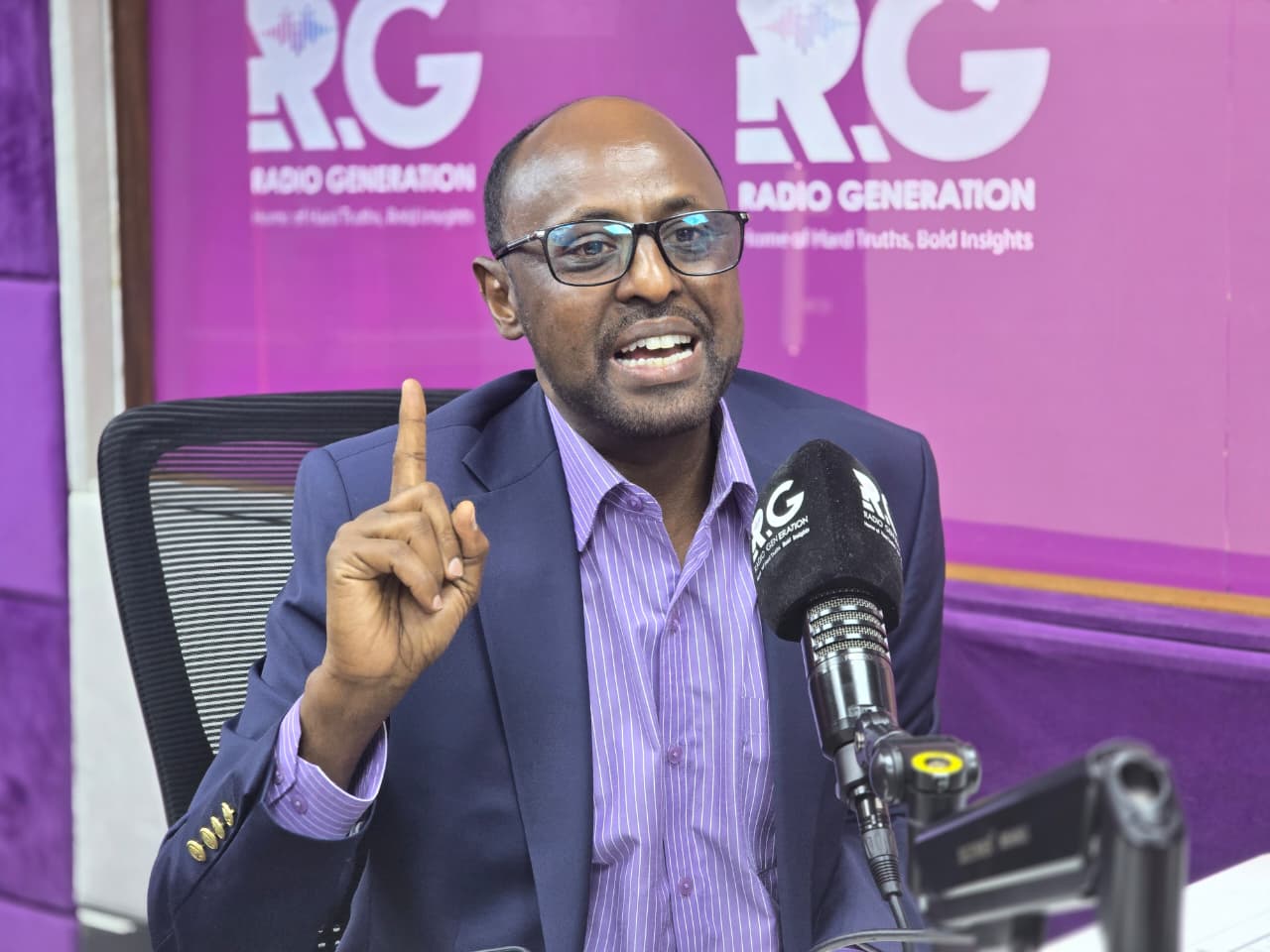
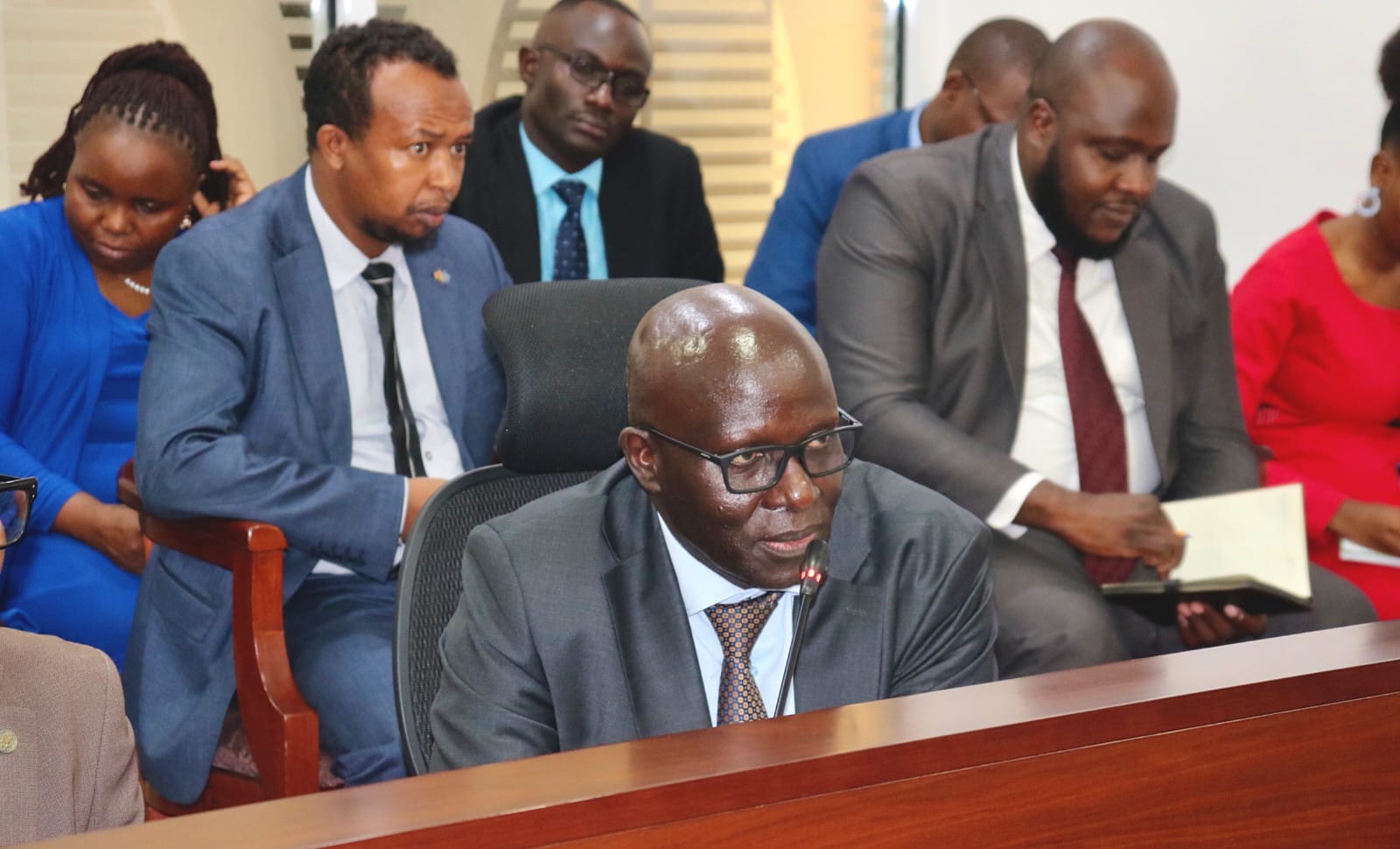
The report was discussed before the National Assembly Committee on Special Funds, chaired by Fatuma Zainab Mohammed, highlighting weaknesses that threaten the credibility of the Fund.
The audit noted that certificates for the Fund’s M-Pesa float of Sh38,094,937 and principal floats at other telecoms totaling Sh6,123,170, amounting to Sh44,218,107, were not submitted for verification.
Additionally, a stale PAYE cheque of Sh.142,400 had not been reversed in the cash book, raising further questions on the Fund’s internal controls.
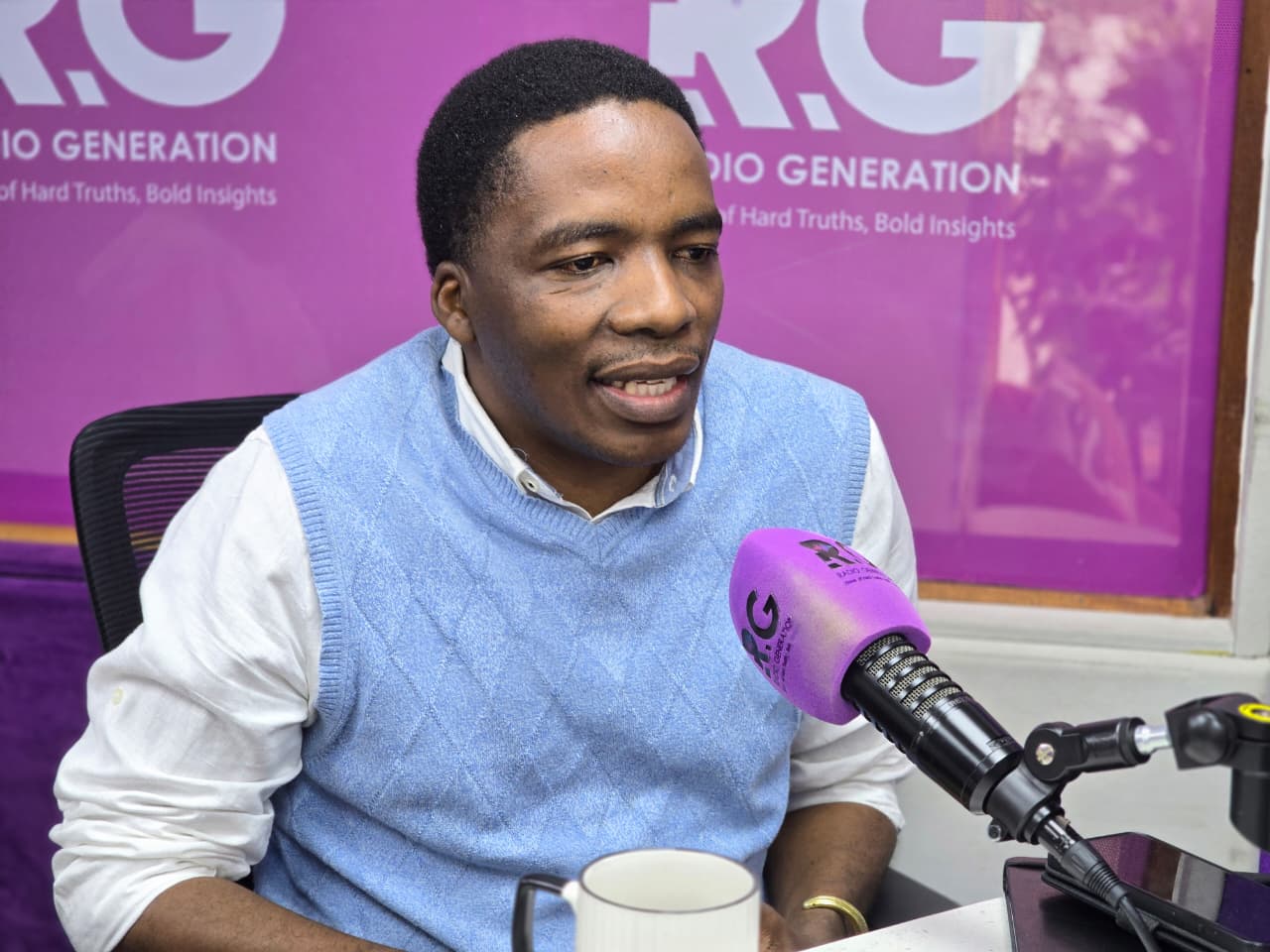
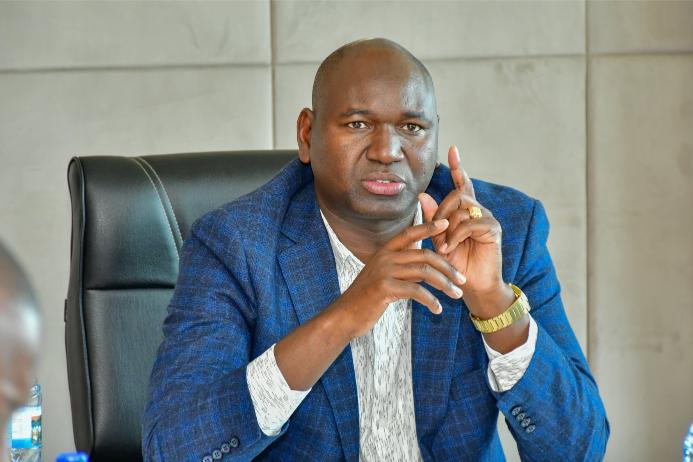
Hustler Fund CEO Henry Tanui acknowledged the lapse, assuring that the funds were legitimate and the missing certificates had since been provided. “We acknowledge that the certificates of bank balance for the M-Pesa float Sh. 38,094,937 and the principal float at other banks Sh. 6,123,170 were not provided at the time of the audit. This was an oversight in our documentation process,” Tanui said.
The Auditor-General also flagged Sh.13,571,908,132 in unsupported receivables, including Sh.1,199,641,809 recorded as interest on loans. “Management had computed the amount using the interest paid instead of interest accrued from the disbursed Safaricom Group loans,” the report stated. Tanui explained the discrepancy as a system configuration issue.
“The variance in the interest receivable figure Sh. 1,199,641,809 arose from a temporary system configuration issue that calculated interest based on amounts paid, rather than on the accrued basis from the date of disbursement,” he said.
Interest income reported by the Fund stood at Sh.955,854,402, but the Auditor-General found a difference of Sh.16,043,922 between expected and received income from service providers, questioning why the amount collected was not fully reflected in the Fund’s accounts. Tanui clarified, “The amount of Sh 16,043,922 was interest earned of loans issued from Family bank. The same had been disbursed in the Family bank account as at the end of the reporting period.”
The audit further exposed a troubling trend in the Fund’s loan book. Of the total Sh.13.57 billion in receivables, Sh.8,737,216,077, representing 64 percent of the total, had been outstanding for more than a year.
Lawmakers expressed concern over loan recovery and whether the Fund was reaching its intended beneficiaries.
Siaya County MP Christine Ombaka questioned the tracking system’s effectiveness. "How effective is your system to trace your followers, how are you collaborating with Safaricom do you think there is a gap?" she asked.
Tanui responded, "The loan is tied to your National ID, it tells us even the location that you come from and regarding the data I'm able to provide the information but dealing with over 20M people is difficult but we are trying."
Mbooni MP Erastus Kivasu raised concerns about inclusivity. "Where is it really the hustler aspect? When everyone can access the funds even the MPs and yet we were told the funds is for hustlers, where is this?"
Tanui explained, "We are currently doing more campaigns partnering with several units and we are not discriminating so long as you have an ID, you're good to go."
Kivasu pressed further on loan recovery and regional distribution. "As you check on the defaulters, you've said you can track, tell us from which regions have benefited.
"We need a complete list to know how Hustler funds are distributed and how many beneficiaries as per the list is given, or rather, the communities. We don't behave like shylocks, we do financial literacy, our limit is 500 to 50,000 for personal loans." Tanui said, "Nairobi is leading, followed by Kiambu but I will submit the report in future for the 290 Constituencies."
The Committee chairperson ordered the CEO to provide a list of top beneficiaries and a county-wise breakdown within 14 days. Fatuma Zainab Mohammed urged politicians to stop discouraging loan repayments.
"We politicians should keep away from hustler funds because we always tell our people to stop repaying the loans that hustler funds are your monies. These statements really become very difficult to handle for the Fund teams. Let's stop and desist from those statements," she said.
The audit also uncovered serious data inconsistencies, including duplicate loan entries and omitted disbursed loans during data extraction from service provider systems.
Tanui admitted, “We acknowledge the audit findings regarding the data inconsistencies within the loan portfolio, specifically the duplicate loan entries and the omission of certain disbursed loans.”
He assured that the issues were limited to data integrity and not actual loan transactions, attributing the problem to errors during extraction and consolidation from Safaricom’s system. Corrective measures, he said, had been implemented.