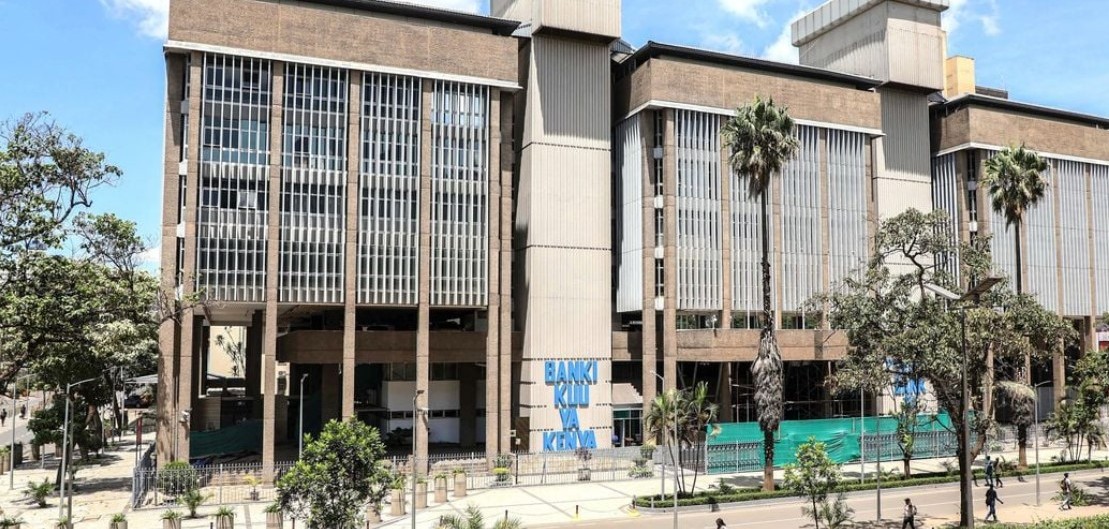
Kenyan companies are gearing up to expand their workforce in the final months of the year to meet the expected surge in activity during the holiday season, according to a recent survey by the Central Bank of Kenya (CBK).
The survey, which included responses from over 1,000 private-sector chief executives, indicates that businesses anticipate higher orders, increased sales, larger production volumes, and more employment opportunities in the fourth quarter. The optimism is linked to seasonal trends and a continued easing of monetary policy, which has lowered borrowing costs and lifted confidence across sectors such as agriculture, manufacturing, services, and tourism.
“Demand orders, growth in sales, number of employees and production volume are higher relative to the July survey, due to the expected increase in activity during the festive season,” CBK stated. “The number of full-time employees is expected to increase as firms hire additional staff to support heightened activity during the festive period.”
Most businesses are operating below their installed capacity, giving them the flexibility to meet higher demand without major new investments.
The services sector, especially tourism and hospitality, expects a rise in bookings and travel as holiday and conference activities increase. CBK noted that firms in these areas are preparing to extend working hours and add shifts to take advantage of the seasonal upswing.
Signs of improved job creation have already emerged in the final quarter, reflected in the latest Stanbic Bank Kenya Purchasing Managers’ Index (PMI).
In September, the private sector added jobs at the fastest rate since youth-led protests erupted more than two years ago, signalling a rebound in demand for goods and services.
“Business conditions expanded in September, implying the start of a recovery after the disruptions that followed protests in the second quarter of 2025,” said Stanbic economist Christopher Legilisho. “New orders and output strengthened as consumer demand improved, despite some firms reporting caution from clients due to still challenging economic conditions. Employment meanwhile increased due to gains from new orders and output.”
The PMI rose to 51.9 in September from 49.4 in August, surpassing the 50.0 no-change mark and marking the first improvement in business conditions since April. Firms attributed stronger sales to rising consumer demand, marketing efforts, and product diversification.
A third of respondents reported increased output, compared to 23 percent who saw declines.