CBK retains 8.75pc lending base rate as Middle East conflict lifts oil
Kenya’s inflation remained under control in March, coming in at 4.4 percent. This is below the midpoint of the official target band of 5±2.5 percent. The MPC linked the lower inflation to reduced prices of key processed foods, including sugar and maize flour, which helped ease pressure on households.
The Central Bank of Kenya has kept its benchmark lending rate unchanged at 8.75 percent, pointing to steady inflation and a strong domestic economy even as risks from the global environment grow.
In a statement released on April 8, 2026, the Monetary Policy Committee (MPC) said holding the rate was aimed at maintaining price stability and protecting the local currency. The committee stated the move would “ensure that inflation expectations remain anchored within the target range, and the exchange rate remains stable.”
Kenya’s inflation remained under control in March, coming in at 4.4 percent. This is below the midpoint of the official target band of 5±2.5 percent. The MPC linked the lower inflation to reduced prices of key processed foods, including sugar and maize flour, which helped ease pressure on households.
Even so, the committee flagged growing concerns from abroad. It warned that the ongoing conflict in the Middle East is already affecting global supply chains and could push up costs further.
“The conflict in the Middle East has disrupted global supply chains, leading to significantly higher energy prices and heightened risks to the global economic outlook,” the statement read.
Before the conflict, global growth had been projected at 3.3 percent for 2026. That outlook has now weakened, with expectations of slower expansion due to rising inflation and weaker demand in major economies.
The MPC noted that oil prices have risen sharply and remain unstable, driven by supply challenges and uncertainty linked to the conflict. It added that fertiliser and food prices are also feeling the impact, which could spill over into local markets.
Despite these external pressures, Kenya’s economy continues to show strength. Growth improved to 5.0 percent in 2025, up from 4.7 percent the previous year. This was supported by strong activity in the services sector and a recovery in industry.
The economy is now expected to grow by 5.3 percent in 2026. This is slightly lower than an earlier forecast of 5.5 percent, with the revision tied to “emerging risks of the conflict in the Middle East on the performance of some key sectors of the economy.”
Business confidence remains steady, according to recent surveys. Firms are encouraged by a stable economic environment, lower borrowing costs, and expectations of good weather for agriculture. However, challenges remain, including the high cost of doing business, weak consumer demand, and uncertainty in global markets.
On the external side, the current account deficit is expected to widen to 3.0 percent of GDP in 2026. This is mainly due to higher import costs, especially for oil, alongside slower growth in exports and remittances.
Kenya’s foreign exchange reserves are still at a comfortable level, standing at USD 13.35 billion, or about Sh1.74 trillion. This is equal to 5.68 months of import cover, offering a buffer against external shocks.
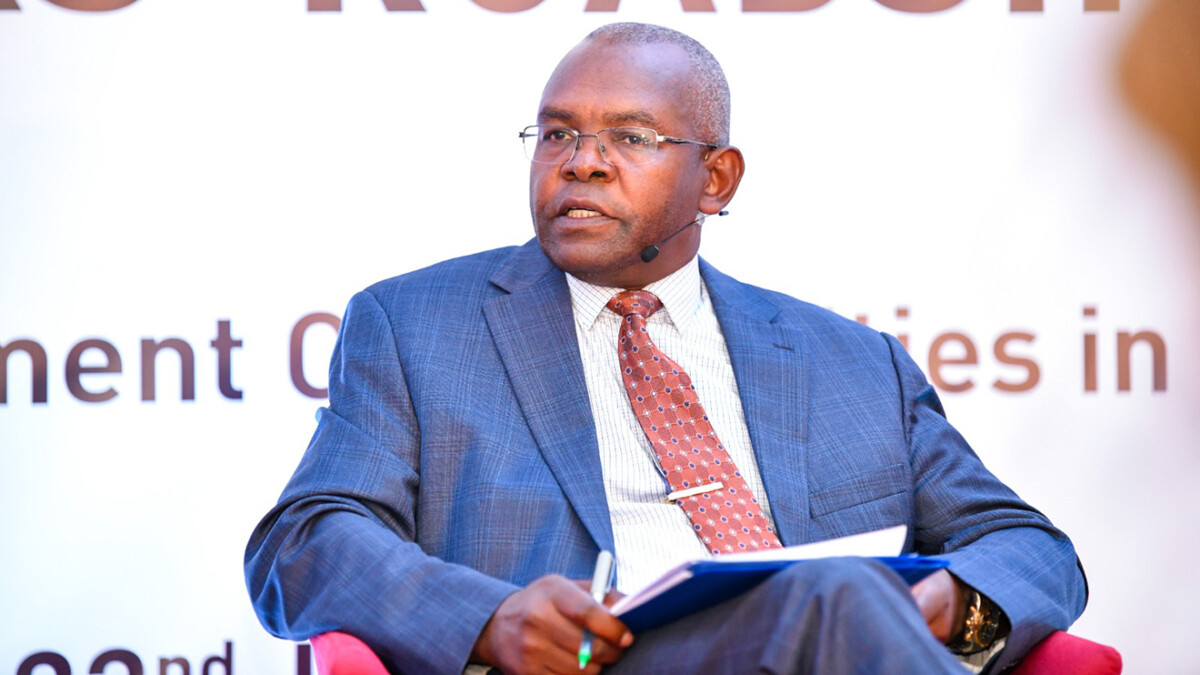
CBK Governor Kamau Thugge said the committee will keep a close watch on both global and local developments. He added that the bank is ready to act if needed, especially in response to “any second-round effects of the recent increase in international oil prices on overall inflation.”




Comments
Sign in with Google to comment, reply, and like comments.
Continue with Google