Kenya needs 58,590 teachers to support senior school transition in 2026
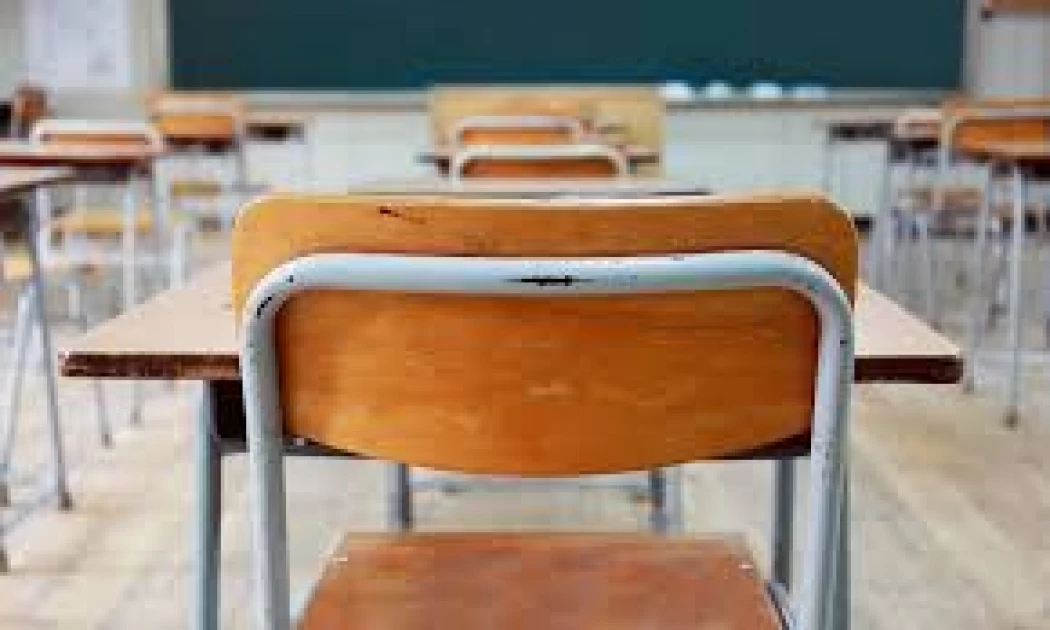
The Teacher Service Commission (TSC) says the gap spans all subjects, with specialised areas such as STEM, marine and fisheries, aviation, and computer studies being the most affected.
Kenya is set to face a critical shortage of 58,590 teachers next year as the country prepares to transition over one million learners to senior school under the new competency-based education system.
The Teacher Service Commission (TSC) says the gap spans all subjects, with specialised areas such as STEM, marine and fisheries, aviation, and computer studies being the most affected.
TSC Director of Quality Assurance Reuben Nthamburi explained that staffing needs are based on expected Grade 10 enrolments in January 2026.
“For the projected teacher requirements for Grade 10 in January 2026, the STEM pathway, which will take about 60 per cent of the learners, that is 677,144, with about 15,046 classes, we calculated it using a class of 45, we need around 35,111 teachers. For Social Sciences, we need around 14,630 teachers and Arts and Sports 8,778, that is about 58,519,” Nthamburi said.
He urged universities and teacher training colleges to realign their programmes with market needs, particularly in Arts and Sports, which are facing severe shortages in specialists such as music, dance, fine arts, theatre and film, sports, and creative arts.
“In STEM, we need teachers in areas like general sciences, computer studies, aviation, electricity, media technology, building and construction, woodwork, and marine and fisheries. For Social Sciences, we’re short on teachers in indigenous languages, Sign language, Arabic, French, German and Mandarin,” Nthamburi added.
The director highlighted the urgent need for teachers in marine and fisheries studies.
“I don’t know if we have any university that has marine and fisheries teachers. If there is one, please see me so that we can begin absorbing them. We need marine and fisheries teachers next year,” he said.
To address the shortage, TSC plans to partner with the Marine and Fisheries Institute in Mombasa to train technical experts and convert them into classroom-ready teachers.
Recruitment will also be phased in for other highly technical areas. Nthamburi stressed that a balanced teacher-to-student ratio in specialised subjects is critical for a smooth rollout of the senior school curriculum.
Currently, over 30,000 secondary school and special needs teachers are undergoing retraining to prepare for the transition of 1.1 million Grade 9 learners to Grade 10.
The retooling programme involves 9,626 schools across more than 40 learning areas, including vocational and special needs institutions.
According to the Ministry of Education, this training is designed to equip teachers with the skills required to effectively deliver the senior school curriculum.
Schools are also facing infrastructure challenges, prompting calls for faster preparations to ensure a seamless start to the academic year.

Comments
Sign in with Google to comment, reply, and like comments.
Continue with Google