South Sudan has intensified health monitoring and preparedness in four counties along its border with Ethiopia following the confirmation of Marburg virus disease in Jinka, Southern Ethiopia.
Authorities are acting swiftly to prevent the deadly virus from entering the country amid concerns over cross-border movement and regional instability.
The Africa Centres for Disease Control and Prevention (Africa CDC) reported that by November 14, nine individuals had tested positive for Marburg virus in Jinka.
The disease, a severe haemorrhagic fever, presents with sudden fever, chills, headache, and muscle pain. By the fifth day, a characteristic rash may appear on the chest, back, and stomach.
Patients can also experience nausea, vomiting, abdominal and chest pain, sore throat, and diarrhoea. In extreme cases, Marburg can lead to jaundice, pancreatitis, severe weight loss, confusion, heavy bleeding, and organ failure.
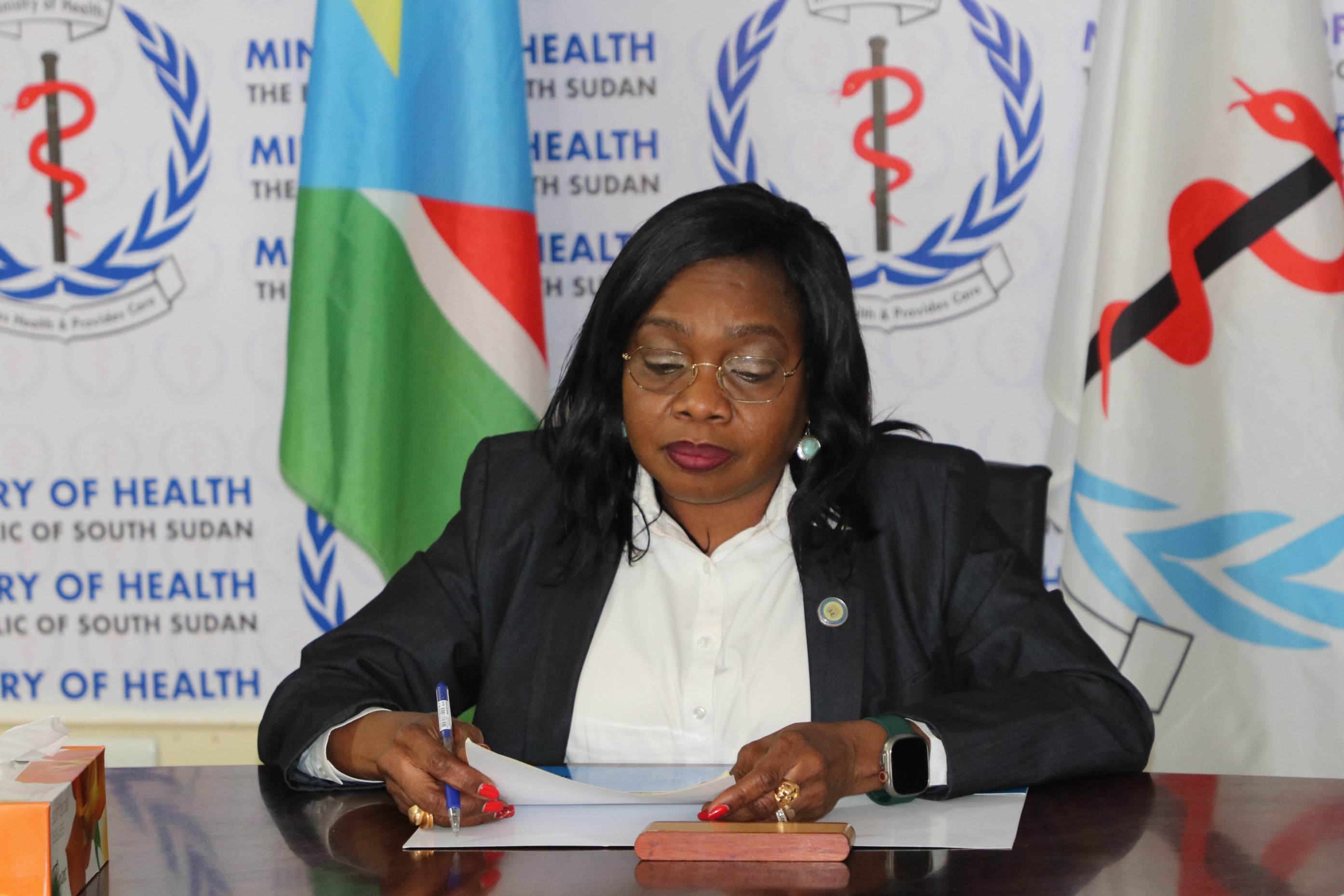
In a statement obtained by The Eastleigh Voice on Monday, South Sudan’s Ministry of Health named Kapoeta East, Pibor, Pochalla, and Akobo as counties at high risk.
"The Ministry of Health of the Republic of South Sudan informs the public and health workers of the confirmed Marburg virus disease (MVD) cases reported in Jinka Town, Southern Region of Ethiopia. The outbreak was officially declared on November 14, 2025," the ministry said.
"Laboratory testing conducted by the Ethiopian Public Health Institute confirmed Marburg virus as the cause. Genetic sequencing shows that this strain is closely related to those previously identified in East Africa."
The ministry stressed that no confirmed cases have been detected in South Sudan, even though Jinka is close to the border. Jinka lies in the Ari Zone and serves as a major entry point into Ethiopia’s Lower Omo Valley, a region known for clashes and unrest.
Disruptions caused by conflict in the area have limited access to healthcare and humanitarian support, making it harder to track and contain emerging infections.
"The Ministry of Health reassures the public that no confirmed cases have been reported in South Sudan. The government, together with WHO and all health partners, have intensified surveillance, preparedness, and readiness measures to prevent any importation and spread of the virus," the statement added.
The ministry urged communities to remain vigilant and report any suspected symptoms immediately.
"The Public Health Emergency Operations Centre (PHEOC) has been activated and in Alert Mode to strengthen surveillance, screening, risk assessment and identification of priority areas, and monitoring at national and state levels," it said.
Health authorities say the measures aim to shield border communities and ensure rapid response should the virus cross into South Sudan.






























Comments
Sign in with Google to comment, reply, and like comments.
Continue with Google