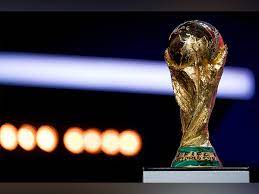
The road to the 2026 World Cup has narrowed, but the drama has only intensified. With hosts United States, Mexico and Canada already through, 39 other nations have sealed their tickets — leaving a clutch of 22 teams battling for the final six slots and a full complement of 64 contenders who still, on paper, could lift the trophy next summer.
Who’s left fighting for a place
The math is delightfully messy: 16 UEFA sides are fighting for four remaining European berths, while the global play-off picture will hand out the last two places via a mix of continental representatives; two from CONCACAF and one each from Asia, Oceania, Africa and South America.
From a starting pool of 209 hopefuls when qualifying began in September 2023, only 64 nations remain in theoretical contention.
What this ranking measures
This list isn’t just gut feeling or headline names. It blends two objective inputs to approximate both talent and form. Squad talent is proxied by the average estimated transfer value of each player on a team’s most recent roster, as compiled by Transfermarkt.
Recent results and momentum are captured using the World Football Elo Ratings, which reward or penalize teams based on match outcomes, where games are played, the strength of the opposition and how competitive the matches were.
Together they create a ranking that balances star power with cold, on-field reality.
Why this matters
With qualification finishing and the tournament draw looming, these 64 teams represent the final, electrifying pool from which the 2026 champion will emerge. Upsets, late surges and the quirks of tournament football mean that form can flicker into brilliance — and this ranking is a snapshot of where each nation stands now, at the start of the final countdown
At the close of the November international window, here is how the latest rankings shake out:
64. New Caledonia
63. Suriname
62. Curacao (qualified)
61. Qatar (qualified)
Among the 42 qualified teams, Qatar have the lowest market value and the lowest Elo rating. They also were outscored by six goals in their final 12 qualification matches. But thanks to their FIFA ranking, they might not even be in the lowest-seeded pot for December's draw.
60. South Africa (qualified)
59. Haiti (qualified)
58. Cape Verde (qualified)
57. New Zealand (qualified)
56. Iraq
55. Jamaica
54. Jordan (qualified)
53. Saudi Arabia (qualified)
52. North Macedonia
51. Bosnia and Herzegovina
50. Bolivia
49. Northern Ireland
48. Ghana (qualified)
Ghana's paradox A nation rich in talent, poor in consistency
Ghana sit oddly in the Elo pecking order — just ahead of Qatar — despite a squad whose combined market value dwarfs Qatar’s by more than fifteenfold.
It’s a surreal stat: a nation that secured a 2025 World Cup spot yet somehow missed out on the 2025 Africa Cup of Nations. Priorities, quirks, or plain chaos? Call it the beautiful game’s finest contradiction
Starry roster, jet-lagged performances
On paper the Black Stars are bristling with top‑flight quality. Antoine Semenyo’s electric runs from Bournemouth and Mohammed Kudus’s devastating craft at Tottenham headline a group that could almost stitch together a full XI plucked from Europe’s Big Five leagues. But star names haven’t translated into steady results.
One glaring culprit: travel. Most Ghanaian internationals are scattered across the continent, logging long-haul flights to join up for qualifiers, while many of their African rivals do not endure the same grind. Fatigue, disruption to club rhythm and the logistics of assembling a far‑flung team have all left visible marks on performance.
The widest gap in global football
Right now, few nations illustrate the gulf between potential and output better than Ghana. Their talent pool screams elite possibility, yet results tell a different story — a jagged timeline of highs and baffling lows.
If the Black Stars can bridge that gap, harnessing talent into cohesion rather than relying on flashes of individual brilliance, they’ll be a nightmare to draw in any tournament. Until then, they remain an enthralling, frustrating equation the world is desperate to solve.
47. Tunisia (qualified)
46. Romania
45. Panama (qualified)
44. Iran (qualified)
43. Albania
42. Congo DR
41. Australia (qualified)
40. Uzbekistan (qualified)
Uzbekistan rising A surprise contender carving consistency into momentum
I didn’t see Uzbekistan this high either and that’s exactly what makes their climb so deliciously compelling. Over the past two years they’ve treated regional heavyweight Iran like a measuring stick: six meetings, five draws and one win.
Put another way, they’ve hardly lost; only a 2-1 friendly defeat to Uruguay last month in the past year, and before that a narrow 3-2 loss to Qatar that they later avenged with a 3-0 victory. Asia may not boast Europe’s depth, but two defeats in two years is elite-level restraint.
The formula that’s working
Uzbekistan ticks the old reliable international football boxes: a rock at the back, a match‑winner up front, a squad rooted in domestic leagues, and an experienced European coach to stitch it all together.
Manchester City’s Abdukodir Khusanov marshals the defence, Eldor Shomurodov — now plying his trade on loan from Roma — supplies the attacking punch, and Fabio Cannavaro’s tactical imprint brings continental calm to the sideline. That blend has turned them into a difficult draw for anyone.
Defensive steel, tournament temperament
Tellingly, the Uzbekis matched South Korea for the fewest goals conceded in AFC qualifying, letting in only seven. Against a backdrop of regional tests and rematches, they’ve fashioned consistency out of pragmatism: compact defending, lethal counter moments and players who know each other’s rhythms from domestic fixtures.
The result is a team that quietly punishes mistakes and grows every time it’s tested — an under-the-radar dark horse ready to make opponents pay for underestimating them.
39. Egypt (qualified)
38. Czechia
37. Slovakia
36. Kosovo
35. United States (qualified)
34. Wales
33. South Korea (qualified)
32. Republic of Ireland
31. Paraguay (qualified)
30. Poland
29. Canada (qualified)
28. Algeria (qualified)
27. Ivory Coast (qualified)
26. Uruguay (qualified)
25. Scotland (qualified)
24. Mexico (qualified)
23. Austria (qualified)
22. Japan (qualified)
21. Ukraine
20. Switzerland (qualified)
19. Croatia (qualified)
Croatia's ageless core Luka Modric and Ivan Perisic still run the show
Yes, they’re both starters — yes, together they’re 76 years old — and yes, they were already veterans when Croatia reached the World Cup final in 2018. Yell if you must. Then listen: this is exactly the point. While Josko Gvardiol has burst onto the world stage with Manchester City, Croatia’s engine still hums to the familiar rhythm of Modric and Perisic, players who refuse to be fossilized by time.
Why experience still beats youth for Croatia
Talent has arrived — but not in numbers enough to unseat the old guard. For a country that punched above its weight four years ago, Croatia hasn’t quite produced a wholesale generational overhaul. Instead it leans on the exquisite craft and match intelligence of its veterans. And Luka Modric is no museum piece. At almost 41, he’s operating at an elite level in Italy, cutting games open with the same subtlety that once stunned the world.
Modric: the maestro beyond metrics
Data people love neat categories, but Modric keeps breaking them. Advanced grading systems that watch every action and score players on micro-contributions paint a striking picture: he’s one of the most precise passers alive. He isn’t merely a deep-lying Andrea Pirlo silhouette; he carries the ball, defends intelligently and still influences the tempo in ways younger midfielders struggle to replicate. In short, Modric blends craft, mobility and game sense in a package that age has only seasoned.
Perisic: the veteran spark
Perisic brings the same stubborn relevance. He’s a winger who has aged into a player who knows where to be, when to press and how to deliver in the big moments. His value is more than minutes logged — it’s a reservoir of clutch instincts and tactical nous that younger squads often lack.
What this means for Croatia next summer
International football is kinder to experience.
It’s less about relentless club intensity and more about moments, positioning and composure — areas where Modric and Perisic still excel.
Expect Croatia to be disciplined, tactically sharp and capable of upsetting higher-rated sides because their leaders think through matches differently. Call it sentiment if you like, but in a tournament where razor-thin margins decide fate, Croatia’s aging core could be the decisive, quietly brilliant difference.
18. Morocco (qualified)
17. Turkey
16. Senegal (qualified)
15. Ecuador (qualified)
14. Colombia (qualified)
13. Sweden
12. Denmark
11. Belgium (qualified)
10. Norway (qualified)
9. Argentina (qualified)
8. Germany (qualified)
7. Italy
Meet the Ghana of Europe Italy’s stunning slide from maestros to must-win
Once hailed as tactical trailblazers after that Euro 2020 triumph over England, Italy’s fall has been shockingly swift and ugly. The Azzurri went from reinventing the modern game to missing the 2022 World Cup and producing a limp display at the last Euros. Now they face the humiliating prospect of needing two March wins just to avoid a third consecutive absence from football’s biggest stage.
The problem in one sentence: they can’t score
This isn’t a defensive collapse or a midfield meltdown — Italy’s spine still looks robust on paper. What’s missing is the killer touch. The squad is stacked with rugged, top-tier defenders and industrious midfield engines, but the final third is toothless. Forwards Moise Kean and Mateo Retegui offer energy and work rate but rarely create moments of magic alone. The injuries and decline of earlier match-winners leave a gaping creative void.
Where the golden generation faded
Remember Federico Chiesa at his peak in 2020? He was the spark who turned half-chances into headlines. Since then, injuries and time have dulled players once feared in big moments. Lorenzo Insigne and Domenico Berardi have slipped from peak output to familiar veterans. There are plenty of technically solid Italians, but none who consistently conjure brilliance with the ball at their feet.
Why the comparison to Ghana stings
Calling Italy “the Ghana of Europe” isn’t an insult to Ghana — it’s an indictment. It captures the paradox: talent everywhere on the team sheet, yet a persistent inability to turn that talent into goals and results. Italy’s current Elo standing (down in the teens) underlines a broader truth — football punishes imbalance. Defensive steel without offensive spark is a half-finished symphony.
The cold truth and the narrow path back
Talent alone won’t save Italy; they need invention, either from a returning star or a younger player to seize the reins. Tactical tweaks can help, but until someone starts finishing chances and creating them out of nothing, results will keep sliding. The next few months are a crossroads: a reality check for a proud footballing nation, or a final chance to remind the world that Italy’s golden touch hasn’t vanished — it’s just hiding, waiting for someone bold enough to find it.
6. Netherlands (qualified)
5. Portugal (qualified)
4. Brazil (qualified)
3. Spain (qualified)
2. France (qualified)
1. England (qualified)
England’s fortress A star-studded roster and an impenetrable record
Imagine a squad that reads like a fantasy XI — Harry Kane, Jude Bellingham, Bukayo Saka, Cole Palmer, Phil Foden and Trent Alexander‑Arnold — and then pair that glittering attack with a defence so disciplined it might as well be concrete. That’s the England heading into next summer: world-class creators up front and a backline that turned qualifying into a shutout exhibition.
Defence by numbers: obsession-level discipline
Eight qualifiers. Zero goals conceded. Yes, zero. Opponents rarely even sniffed danger: fewer than five shots per game on average, and those attempts came with almost no bite — the lowest shot quality in UEFA qualifying at just 0.05 xG per shot. This isn’t luck; it’s an organisational masterpiece where space is closed down before chances form and forwards are shepherded away from the danger zones.
Attack on paper, balance on the pitch
With elite finishers and creators in the fold, England combine terrifying offensive potential with a defence built like a bank vault. It’s a rare modern balance: freedom for the flashy talent to express themselves, underpinned by tactical rigor that makes conceding feel like an afterthought. For opponents, the message is simple — beat the best players, then try and beat a system that won’t give you room to breathe.
Tournament threat level
When superstar firepower meets defensive perfection, you don’t just qualify — you arrive as a genuine title contender. England’s blend of creativity and control makes them one of the most complete sides in world football, capable of producing dazzling moments and grinding out results in equal measure. Next summer, they won’t just be a team to watch; they’ll be the team to fear.































Comments
Sign in with Google to comment, reply, and like comments.
Continue with Google