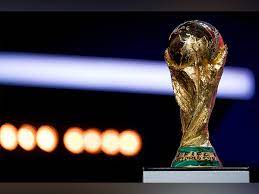
The 2026 World Cup cheat sheet: One point per country
Nation
Key factor
Canada
Maplepressing: Jesse Marsch’s aggressive 4-4-2 pressing identity.
United States
Depth and home advantage; squad-building under pressure to perform.
Mexico
Host momentum and Azteca atmosphere shaping expectations.
Argentina
Title defense questions and reliance on veteran stars.
Brazil
Talent pipeline and tactical balance between flair and structure.
France
Squad rotation dilemmas amid world-class depth.
England
Youthful core vs. tournament experience; set-piece focus.
Spain
Possession identity and integration of new attacking options.
Portugal
Transition from Cristiano-era dependence to new leaders.
Germany
Tactical reset and rebuilding after recent disappointments.
Netherlands
Tactical flexibility and reliance on creative midfielders.
Belgium
Aging golden generation and questions over replacements.
Croatia
Midfield engine and experience in knockout football.
Uruguay
Compact defense and veteran leadership up front.
Switzerland
Organized structure and efficient tournament play.
Denmark
Cohesive team ethic and set-piece strength.
Sweden
Physicality and pragmatic tournament approach.
Poland
Dependence on key striker form and counterattacking.
Serbia
Athleticism and direct attacking threat.
Wales
Dependence on talismanic figures and underdog resilience.
Italy
Tactical discipline and pressure to reclaim past glory.
Turkey
Rising talent and passionate home-region support.
Austria
Organized defense and emerging attacking options.
Czech Republic
Structured midfield and opportunistic attack.
Scotland
Physical intensity and set-piece planning.
Norway
Young stars and transition to a new attacking identity.
Slovakia
Compact defense and countering strengths.
Romania
Rebuilding with a mix of youth and experience.
Greece
Defensive organization and low-block tactics.
Hungary
Tactical pragmatism and home-region momentum.
Cameroon
Athleticism and tournament unpredictability.
Senegal
Star power and continental pedigree.
Morocco
Tactical discipline and recent deep-run experience.
Tunisia
Organized defense and counterattacking plans.
Japan
Technical play and disciplined team structure.
South Korea
High work-rate and fast transitions.
Australia
Physicality and tactical adaptability.
Costa Rica
Defensive resilience and opportunistic offense.
Ecuador
High-altitude conditioning and attacking flair.
Conclusion
The 2026 World Cup arrives as a mosaic of narratives: home‑field electricity and logistical quirks for the hosts, aging dynasties handing the baton to hungry new stars, and tactical experiments that could rewrite how teams defend, press, and attack.
Expect moments of individual brilliance and collective identity to collide; veterans leaning on experience, youngsters forcing tactical reinventions, and a dozen underdogs ready to upend the script.
Across continents, the tournament will be defined less by a single favorite and more by match‑by‑match storylines: momentum swings, managerial gambles, and the small margins that turn contenders into legends.
Keep an eye on transitions — generational, tactical, and geographic, because those shifts will produce the headlines, the heartbreaks, and the unforgettable upsets.
In short: 32 teams, 32 storylines, endless possibilities, the pitch will decide which narratives survive and which become World Cup lore.































Comments
Sign in with Google to comment, reply, and like comments.
Continue with Google