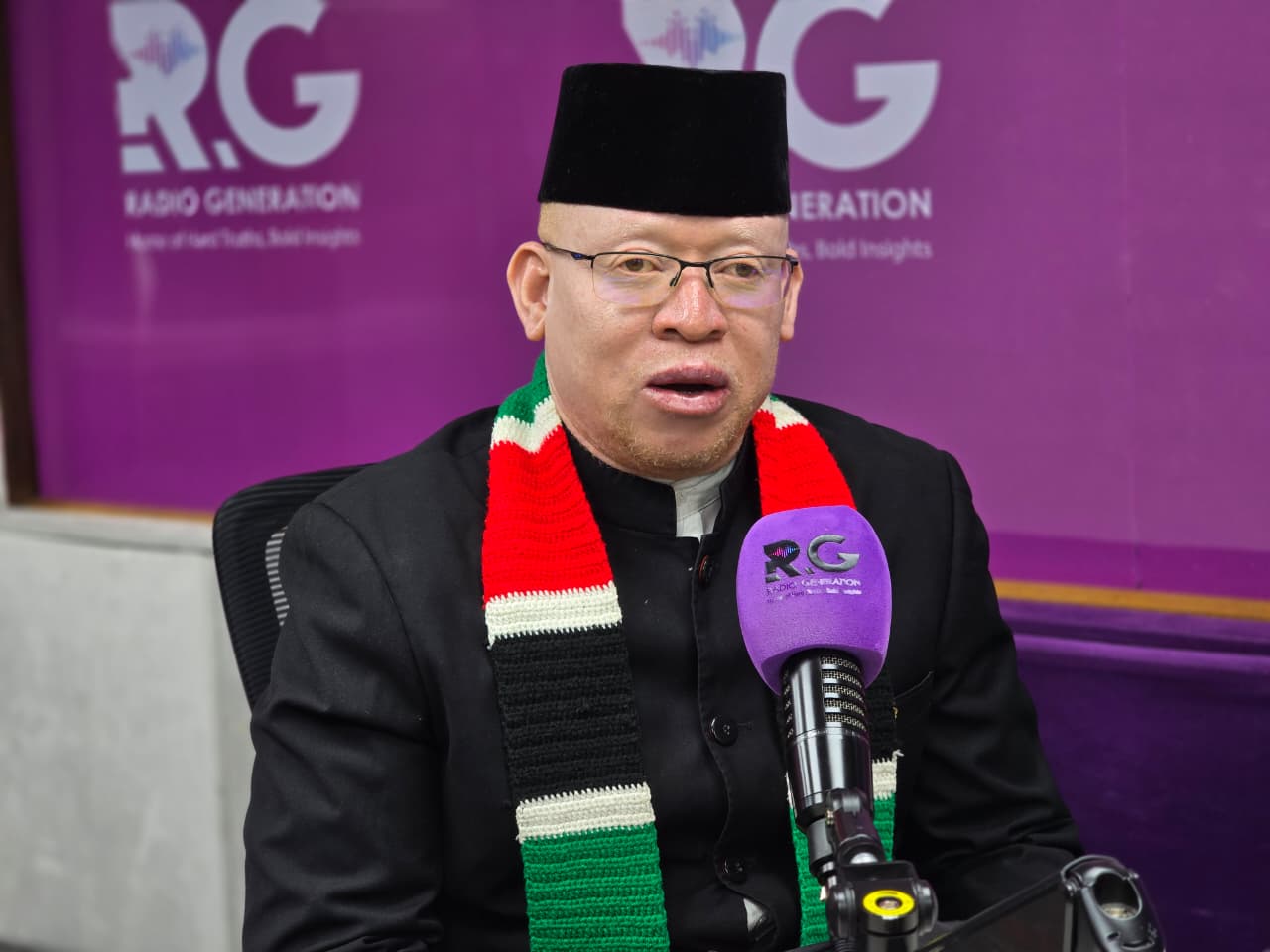
Adjusting to the demands of government takes time, patience, and careful planning, says Government Spokesperson Isaac Mwaura, as he reflected on the progress of the administration three years into office.
Speaking on Radio Generation, Mwaura said even experienced leaders need time to settle into office before fully delivering on their promises.
“It takes between 12 to 36 months to settle or 12 to 24 months, let me say, an average of two years, that we’ve talked to in many, many, many people, even myself as a government spokesman. Yes, after about two years, then you start feeling okay,” Mwaura said on Friday.
He explained that the transition from campaigning to governing can be stark.
“You campaign in poetry, you govern in prose,” he said, pointing out the contrast between public expectations and the realities of office. Leaders must navigate empty coffers, high public expectations, and the practical demands of implementing programs.
“Foundations are there. They are strong, and they are silent. They don’t shout,” Mwaura added, referring to the careful groundwork that ensures sustainable progress.
On September 13, 2025, President William Ruto marked his third year in office.
Mwaura then highlighted several development initiatives the president says have transformed key sectors, appearing to respond to critics who accuse the administration of inactivity.
In agriculture, bold reforms in coffee, tea, sugar, and cotton have opened new opportunities for farmers and communities.
“The revival of six cotton ginneries alone has created 700 jobs in counties such as Busia, Bungoma, Kitui and Embu. Distribution of 100 high-volume grain dryers is set to generate over 10,000 jobs in cooperatives and small enterprises,” Mwaura said. He added that cotton farming, ginning, and textile activities now support more than 23,000 rural jobs.
Beyond agriculture, micro, small, and medium enterprises are generating fresh employment. The refurbishment of 31 County Aggregated Industrial Parks is expected to create 9,000 jobs. Taken together, Mwaura noted, the administration has delivered more than 1.3 million jobs so far.
On the digital and creative economy, Kenya is emerging as Africa’s digital hub.
“We have laid 50,000 kilometres of fibre optic cable across the country, connecting schools, villages, and businesses. At Konza Technopolis, more than 16 companies are now operating,” Mwaura said.
In education, 76,000 teachers have been hired since 2022, with 24,000 additional positions advertised this year.
“As promised in our manifesto, we are on track to employ 116,000 teachers by 2027. By January 2026, we will have hired 100,000, with the remaining positions filled before the close of our term,” he said.
On labour mobility, bilateral agreements with the United Kingdom, Saudi Arabia, the UAE, Thailand, Germany, and Austria have created more than 452,000 jobs abroad, up from 14,000 in 2022.
“Employment opportunities now span technical fields, hospitality, and healthcare, with 586 nurses already cleared for work overseas,” Mwaura explained.
The Blue Economy is also expanding, with investments in training and infrastructure creating new livelihoods. So far, 875 young Kenyans have been trained in modern fishing methods, while the sector is valued at Sh32 billion, with potential to exceed Sh250 billion if fully developed.
Mwaura cited other sectors where progress is visible. Export Processing Zones have generated 14,000 new jobs in three years, with four more under construction expected to add 5,000.
In health, Universal Health Coverage is being strengthened through community health, with 18,831 health promoters trained and equipped with kits and smartphones. In housing, the Affordable Housing Program has created more than 330,000 jobs across construction, manufacturing, professional services, transport, and facility management.
Mwaura emphasized that these achievements are part of the long-term building blocks necessary for sustained national development.































Comments
Sign in with Google to comment, reply, and like comments.
Continue with Google