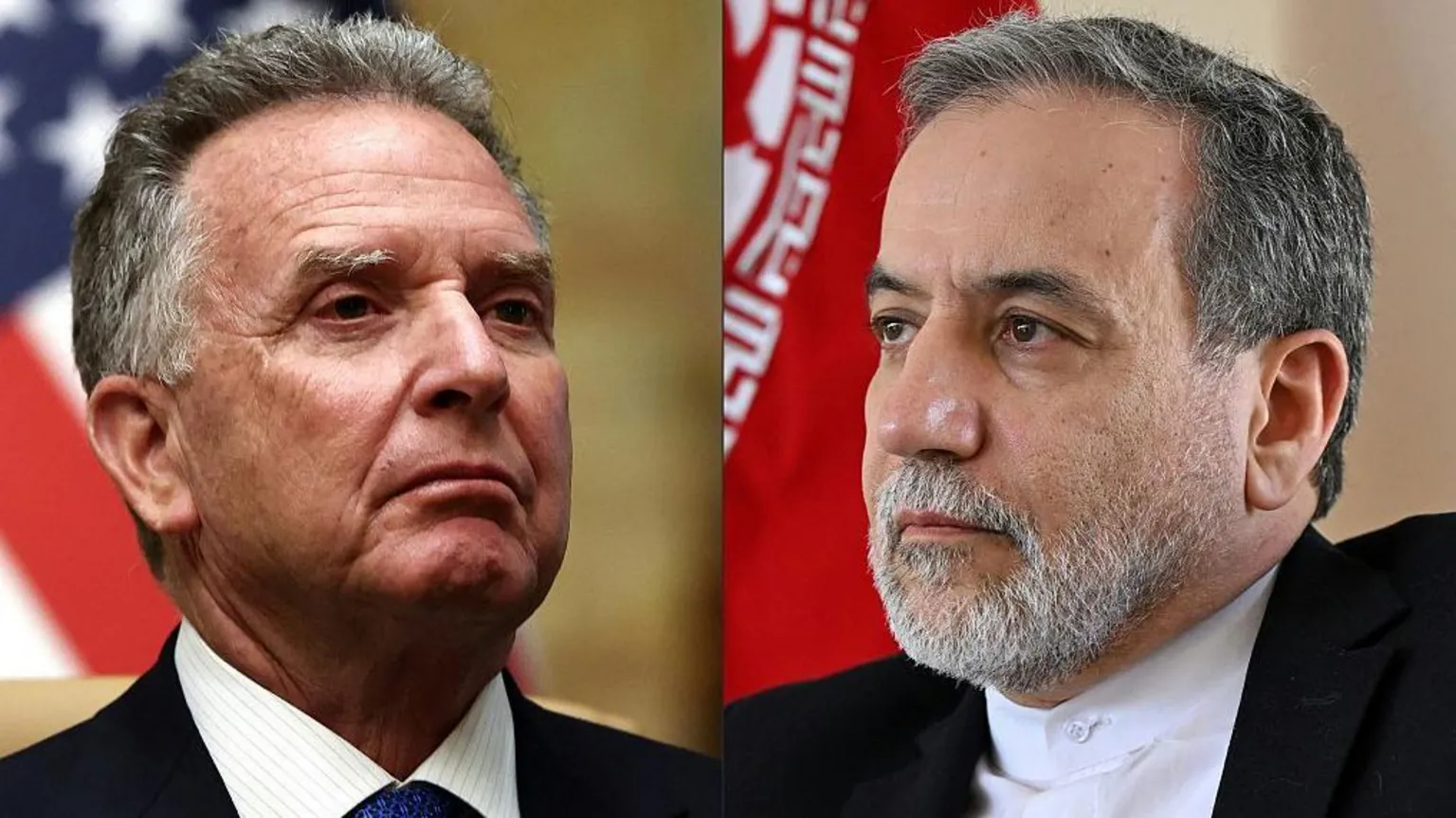
Diplomatic efforts between the United States and Iran are set to resume in Oman as both countries seek to prevent a growing risk of military conflict. The talks come amid heightened tensions following months of deadly protests inside Iran and a major US military presence in the Middle East.
The planned meeting follows a surge in US troop deployments in response to Iran’s crackdown on nationwide anti-government demonstrations last month. Human rights organisations report that thousands of people were killed during the repression, highlighting the severity of the unrest.
Earlier uncertainty over where the talks would take place and which issues would be discussed threatened to stall the effort. Regional mediators hope that if successful, the meeting could pave the way for wider negotiations and a reduction in hostilities.
The two sides remain far apart. Washington is demanding that Iran halt its nuclear programme, give up its stockpile of enriched uranium, and address issues including its ballistic missile programme, support for armed groups across the Middle East, and treatment of Iranian citizens.
Iran insists that the discussions should only cover nuclear matters. It is unclear whether this position has shifted as preparations for the talks continue.
President Donald Trump has warned that the US could strike Iran if no agreement is reached. The US has sent thousands of troops to the region, along with what Trump calls an “armada,” which includes an aircraft carrier, additional warships, and fighter jets.
Iran has vowed to retaliate against any attack, threatening US military positions in the Middle East and Israel.
Foreign Minister Abbas Araghchi will lead Iran’s delegation. He recently stated that the country’s armed forces were “with their fingers on the trigger.” Representing the US will be special envoy Steve Witkoff and Trump’s son-in-law, Jared Kushner.
This is the first direct contact between the two countries since last June, when Israel and the US attacked Iran’s three main nuclear facilities. Iran has since said that uranium enrichment in its facilities stopped after the strikes.
For Iran, the talks could be a critical opportunity to avoid further destabilisation. Analysts say the regime is in its weakest position since taking power following the 1979 Islamic Revolution. Failure to reach an understanding could escalate US military action.
The crisis follows the Iranian government’s violent suppression of large-scale protests sparked by economic hardship and calls for regime change.
The Human Rights Activists News Agency, based in Washington, said it had confirmed at least 6,883 deaths but warned the toll could be higher. More than 50,000 people have reportedly been arrested.
The nuclear programme has returned to the centre of global attention. Iran maintains its work is peaceful, while the US and Israel claim it aims to produce a weapon. Iran also rejects calls to move its 400kg (880lb) stockpile of enriched uranium to a third country.
Iranian officials have shown some willingness to consider compromises, including creating a regional consortium for uranium enrichment, an idea discussed in previous talks before last year’s conflict with Israel ended negotiations.
However, Tehran refuses to limit its ballistic missile programme or stop backing allied groups in the region, which it calls the “Axis of Resistance.” This includes Hamas in Gaza, militias in Iraq, Hezbollah in Lebanon, and the Houthis in Yemen. Officials say such demands are a violation of Iran’s sovereignty.
President Masoud Pezeshkian said on Tuesday that he instructed Araghchi to “pursue fair and equitable negotiations” with the US, “provided that a suitable environment exists.”
Iran is expected to press for relief from sanctions that have crippled its economy. Critics warn that easing sanctions could strengthen the ruling clerics.
For the US, the outcome of the talks could allow President Trump to step back from his threats of military action.
Regional nations caution that a US strike could spark broader instability. They stress that air power alone cannot remove Iran’s leadership.
When asked if Iran’s Supreme Leader Ayatollah Ali Khamenei should be concerned, Trump told NBC News on Wednesday: “I would say he should be very worried. Yeah, he should be.”
US Secretary of State Marco Rubio said the talks must go beyond nuclear issues to achieve “something meaningful.”
“I’m not sure you can reach a deal with these guys, but we’re going to try to find out. We don’t see there’s any harm in trying to figure out if there’s something that can be done,” Rubio added.
Originally planned for Istanbul, the talks are part of a diplomatic push led by Egypt, Turkey, and Qatar. Iran later requested the venue be moved to Oman and limited to only US and Iranian officials.