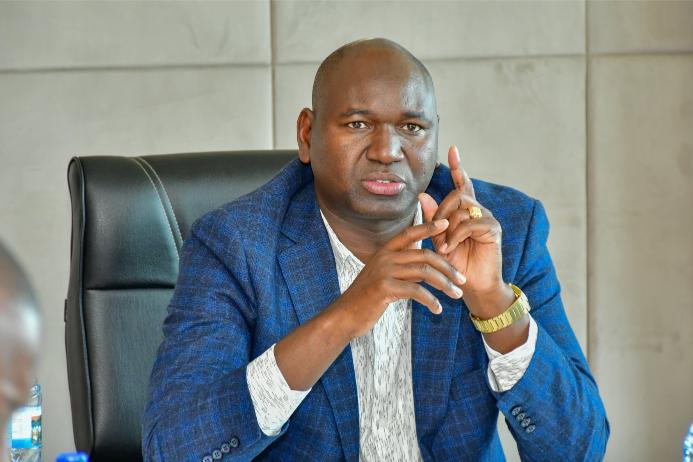
Political risk analyst Dismas Mokua has warned that many leaders fail in public office when they allow themselves to fall under the control of cartels and powerful special interests. Speaking during a discussion on Radio Generation on Thursday, he said county leadership succeeds only when officials remain accountable to citizens, protect public resources, and place service delivery ahead of political convenience.
Mokua argued that development decisions at the county level must be guided by the real needs of communities rather than the interests of contractors, financiers, or hidden networks seeking to influence public spending. In his view, leaders who surrender decision making to such forces risk losing public trust and undermining meaningful development.
He emphasized that public participation should play a central role in planning and budgeting, noting that communities must be actively involved in shaping development priorities.
“It has to be a two-way conversation,” he said, stressing that leaders should listen to residents instead of presenting plans that are already finalized.
Mokua criticized what he described as ceremonial public participation where residents are invited to meetings but have little impact on the final decisions. He said that in some cases, communities attend consultations only to endorse proposals that have already been prepared by officials.
“You are invited, then you just agree,” he said.
He added that complicated language used during such meetings often locks out ordinary citizens from meaningful discussions about development and budgeting.
According to Mokua, leaders should balance feedback from communities with broader development goals before implementing projects. He noted that priorities should be reviewed regularly to reflect changing social and economic realities.
He pointed out that counties today face new pressures, especially from a growing youth population that requires focused investment in education, employment opportunities, and modern infrastructure.
“Needs that were met 10 years after independence are different,” he said, highlighting the need for leadership that adapts to current realities rather than repeating old development models.
The analyst also warned against forcing projects on communities without proper consultation. He cited examples where infrastructure such as markets remains unused because the intended beneficiaries were not involved in the planning process.
“When you force down those projects, then you get citizens crying,” he said.
Mokua said different communities may define development in different ways depending on their local conditions. In some areas, he explained, residents may place greater value on access to water than on farming programs or other projects that leaders might prioritize.
“Give people what they want,” he said.
He stressed that leaders who understand the unique needs of their communities are more likely to deliver projects that make a real difference in people’s lives.
Mokua also connected strong governance with transparency in the management of public funds. He said open budgeting and fair procurement systems can build public confidence and reduce the chances of corruption.
In his view, counties that show clear progress are often those where leaders consistently engage citizens before deciding how resources will be used.
He praised leadership models that promote cooperation between elected officials and the public, saying development works best when communities are involved in both planning and implementation.
“When you have a community that understands their role, you will most definitely progress,” he said.
Mokua concluded that Kenya’s devolved system of governance provides strong opportunities for better service delivery at the local level, especially within wards. However, he said the system can only succeed when leaders respect institutional structures and citizens remain active in holding them accountable.
“Everyone in authority is a custodian,” he said.
According to Mokua, lasting progress in counties will depend on leaders who remain transparent, resist corruption, and maintain open dialogue with the people they serve.