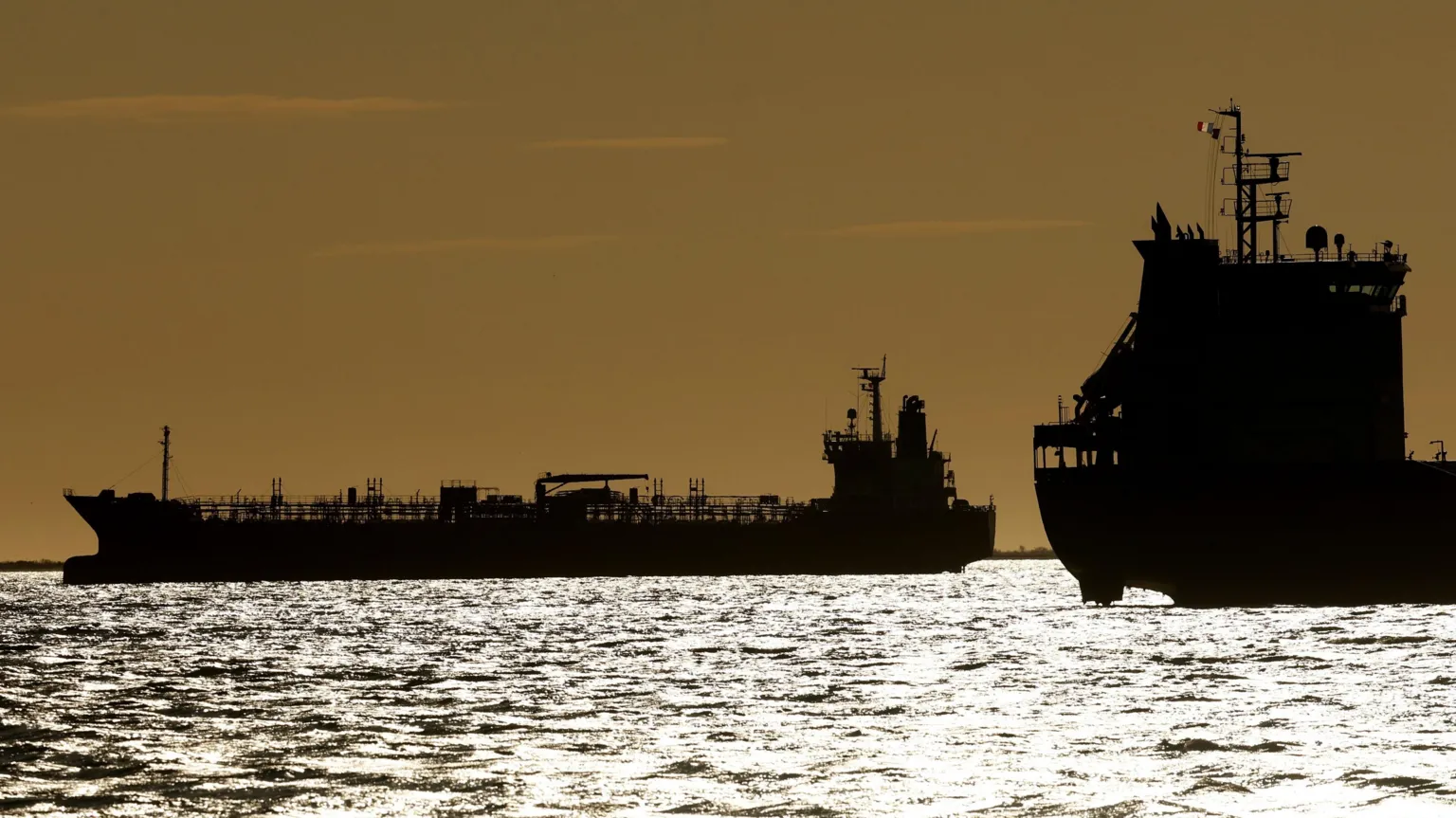
The United States is mulling the idea of easing sanctions on certain Iranian oil shipments as global energy markets reel from the ongoing conflict in Iran.
Treasury Secretary Scott Bessent told Fox Business that allowing some barrels already at sea to reach new buyers could help ease shortages in countries like India, Japan, and Malaysia, while pushing China to pay regular market rates instead of steeply discounted prices.
Bessent indicated that roughly 140 million barrels of Iranian oil could fall under a potential waiver, which he estimated might slightly lower global prices for about 10 to 14 days.
He, however, did not explain whether steps would be taken to prevent revenue from reaching the Iranian government. The Treasury Department declined further comment.
Analysts remain skeptical about the proposal’s impact. "It could add a little bit ... but I don't think it's a game changer and it raises a whole lot of questions," said Rachel Ziemba, an adjunct senior fellow at the Center for a New American Security. Critics also caution that easing sanctions could inadvertently support Iran’s military spending.
David Tannenbaum, director of Blackstone Compliance Services, said bluntly, "To put it mildly, this is bananas. Essentially we're allowing Iran to sell oil, which could then be used to fund the war effort."
China had previously been the largest buyer of Iranian crude, benefiting from discounts because of existing sanctions. Bessent suggested that lifting restrictions could redirect oil to other nations while normalizing prices. When asked whether the administration would pursue the plan, President Donald Trump offered no definitive answer, saying, "we will do whatever is necessary to keep the price," before ending his remarks.
The proposal comes as the US explores other measures to ease global supply pressures, including releasing oil from strategic reserves and suspending some sanctions on Russian oil last week. That move triggered criticism from European leaders who argued it could strengthen Putin’s position and prolong the war in Ukraine.
Experts warn that any impact on energy prices would likely be minimal. About 20 percent of the world’s daily 100 million barrels of oil typically moves through the Strait of Hormuz along Iran’s coast, but shipping there has largely stopped since the conflict erupted in late February.
While some shipments have found alternate routes, analysts estimate roughly 10 percent of global oil supply remains offline.
Ziemba said the administration is under intense pressure to respond to the shortage. "The US government is definitely in an every-barrel-counts situation because of the scale of the supply shock," she noted.
Escalating attacks on gas fields in Iran and Qatar have raised concerns that global energy capacity could remain constrained for years, even if the conflict ends swiftly.