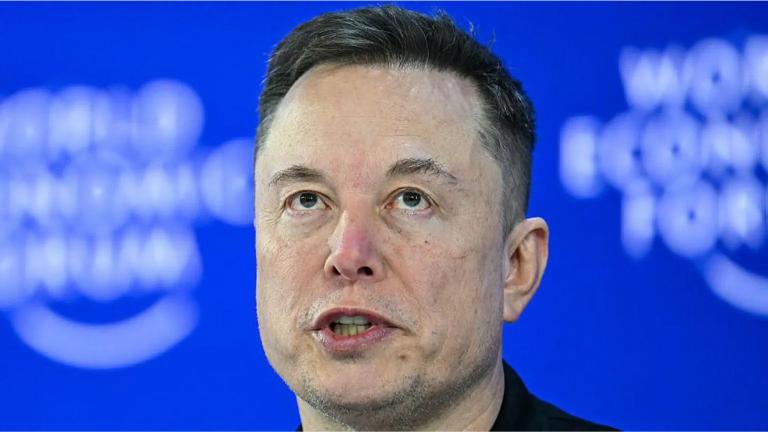
Namibia has denied Elon Musk’s Starlink a licence to provide satellite internet services, citing the company’s failure to comply with local ownership rules.
The Communications Regulatory Authority of Namibia (Cran) announced the refusal, noting that Starlink’s Namibian subsidiary did not meet the required level of citizen or local entity ownership, without providing further explanation.
Namibian law mandates that at least 51% of any telecommunications company must be owned by local shareholders, a policy aimed at promoting economic participation by citizens and correcting historical inequalities.
Starlink, which operates in around 25 African countries, has faced similar regulatory hurdles elsewhere, including South Africa, where local ownership rules have slowed its market entry.
Namibia, formerly a German colony and later under South Africa’s white-minority rule, gained independence in 1990. Since then, the government has implemented policies to encourage local business ownership and reduce economic disparities rooted in the past.
Starlink’s website indicates it has formed a local company intended to partner with Namibian businesses and generate employment, though Cran has said this does not currently satisfy ownership laws. The regulator added that the decision could be reconsidered either "on its own motion or on a petition filed by an aggrieved party" within 90 days.
This latest ruling follows a 2024 order from Cran accusing Starlink of operating without a licence, instructing the company to halt services, and warning Namibians that purchasing Starlink equipment or subscribing to its services would be illegal.
Elon Musk, born in South Africa in 1971, has publicly criticised ownership rules in southern Africa. He claimed last year on X that his service was "not allowed to operate in South Africa simply because I'm not black."
South African authorities rejected this claim, emphasizing that Starlink could operate legally if it complied with local regulations and noting that hundreds of US companies, including Microsoft, already do so.
South Africa introduced black economic empowerment policies after the end of white-minority rule in 1994, requiring foreign investors to allocate a 30% stake to local black firms. Starlink aims to provide internet through a vast satellite network, primarily targeting remote areas where high-speed connectivity is limited.