Tuko Kadi powered by Kenyans’ grassroots support - Ademba Allans
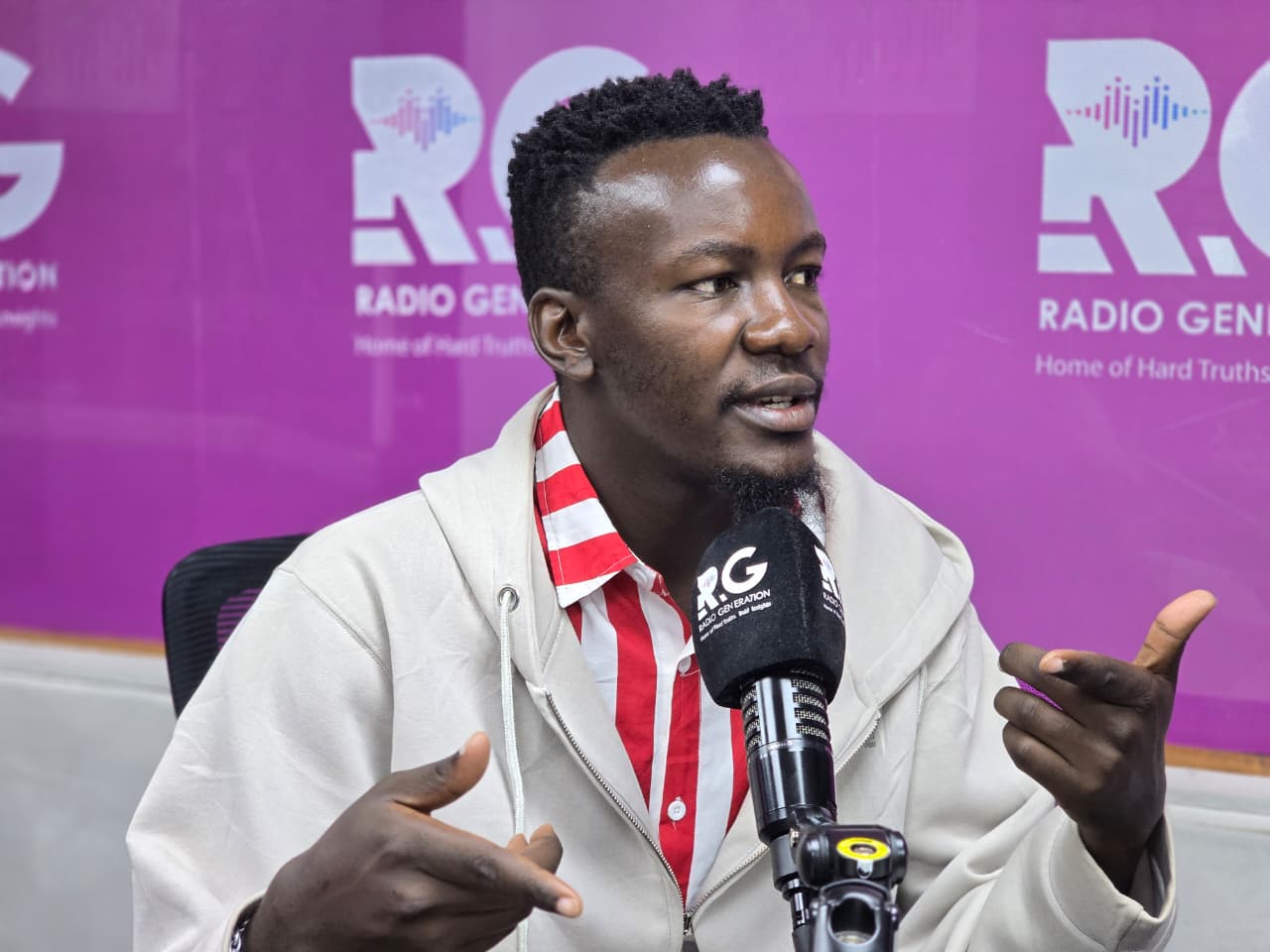
Speaking on Radio Generation on Wednesday, Allans addressed allegations circulating online that the initiative is backed by organisations such as Open Society and individuals linked to political interests.
Tuko Kadi champion Ademba Allans has dismissed claims that the youth-driven voter mobilisation movement is funded by external actors, insisting it is powered by ordinary Kenyans through voluntary contributions and grassroots support.
Speaking on Radio Generation on Wednesday, Allans addressed allegations circulating online that the initiative is backed by organisations such as Open Society and individuals linked to political interests.
He rejected the claims, questioning the basis of the accusations. “We are funded to mobilize Kenyans to protest… now the question is, what are we protesting for? Are we just going to wake up and start protesting for nothing?” he said.
Instead, Allans maintained that the movement’s strength lies in collective citizen effort. “I’m being funded by Kenyans. I’m being funded by the corruption that is happening in the government… by the Kenyans who want change,” he said, framing the initiative as a response to public frustration and a desire for accountability.
He explained that much of the work is sustained through small, informal contributions, including personal spending and support from well-wishers.
“You see the poster that we are using ,the poster that people are now printing on their shirts, on their hoodies, and everything else,that poster cost me a Sh1000 to make, and that is the money that I’ve spent since this thing started,” he said, adding that other needs such as food, transport and logistics are often handled by volunteers.
Allans emphasized that transparency is key when accepting any form of support, especially as the movement expands to other regions.
“If we find somebody to facilitate that, we are going to take it… the only thing… you need to be transparent about it,” he said, referring to plans to support mobilisation efforts in counties like Embu and Mombasa.
However, he drew a firm line against politically motivated funding, particularly from top government figures. “One person that I cannot take money from is president William Ruto and Rigathi Gachagua because of what they have done to Kenya,” Allans said, arguing that such support would undermine the movement’s independence.
He also expressed caution about funding from established political actors across the divide, noting that the intent behind financial backing often matters more than the money itself.
“You know the problem with funding is… most times you don’t know the intent,” he said.
According to Allans, the rise of volunteer-driven mobilisation is disrupting entrenched political practices where turnout is often influenced by financial incentives.
“Nobody’s paying them to go and register… they are taking themselves,” he said, adding that the movement is “interfering with business” by removing monetary influence from civic participation.
He reiterated that “Tuko Kadi” remains a citizen-led initiative adding that the movement’s legitimacy comes from the people it mobilises, not external sponsors


Comments
Sign in with Google to comment, reply, and like comments.
Continue with Google