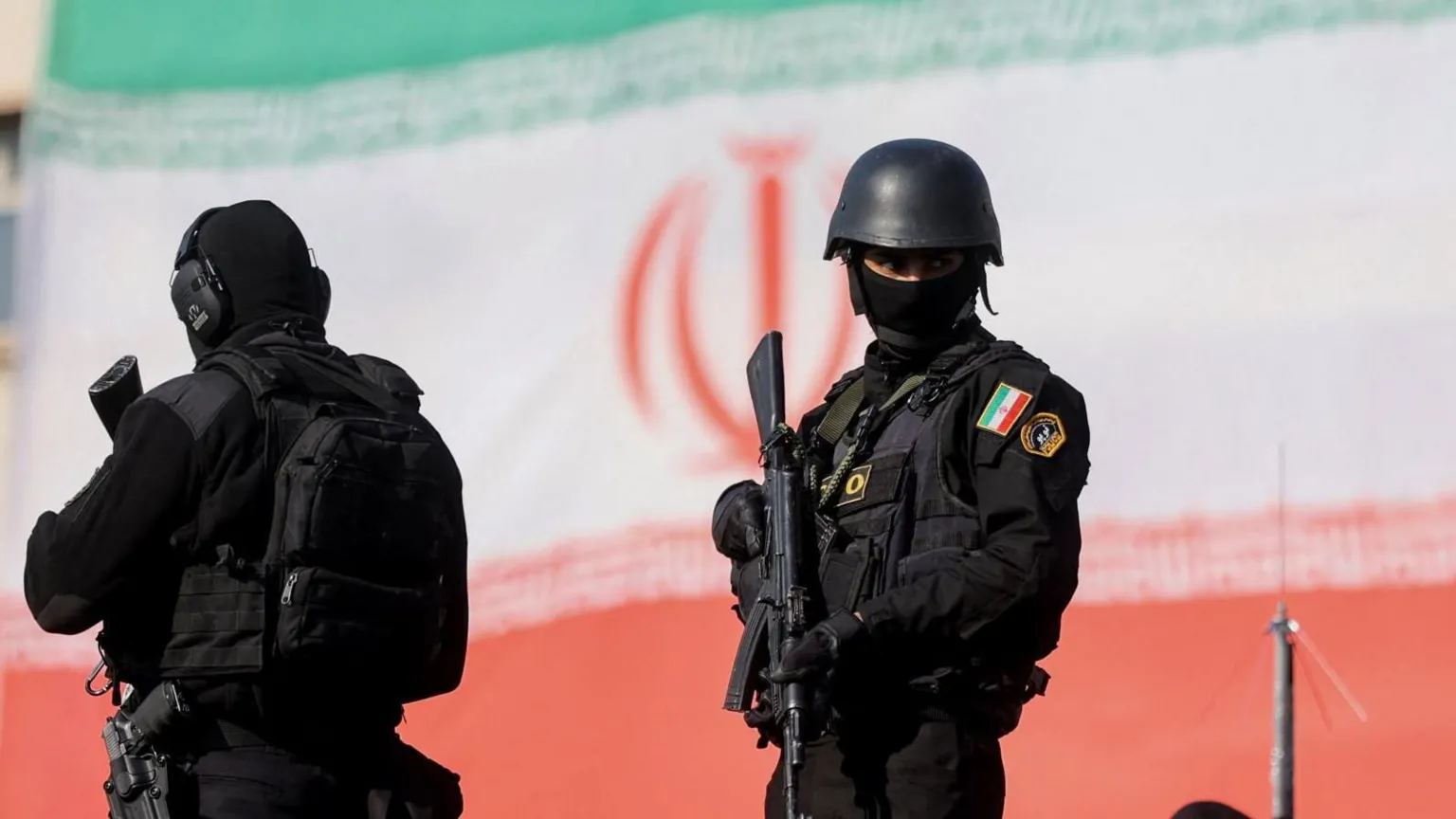
Iran has been gripped by deadly unrest as security forces crack down on mass protests, with human rights organisations reporting over 2,000 deaths, and President Trump telling Iranians that “help is on its way.”
The US-based Human Rights Activists News Agency said at least 1,850 protesters, 135 security-affiliated individuals, nine uninvolved civilians, and nine children have died over 17 days of violent demonstrations, despite strict internet restrictions.
An Iranian official speaking to Reuters confirmed roughly 2,000 deaths but blamed “terrorists” for the violence.
Trump condemned the killings, saying Iranian authorities would “pay a big price” and urged citizens to “keep protesting.” He has been considering a range of responses, including economic measures, having already announced 25 percent tariffs on countries trading with Iran.
The protests, now spreading to nearly 180 towns and cities across all 31 provinces, began over soaring living costs and the collapse of Iran’s currency. They have since evolved into widespread demands for political reform, challenging the ruling clerical establishment in a way not seen since the 1979 Islamic revolution.
Last Thursday marked a dramatic escalation, with authorities responding with lethal force while implementing near-total internet blackouts to restrict information.
HRANA reported on Tuesday that it was reviewing another 779 deaths, adding to the 2,003 already confirmed. “We're horrified, but we still think the number is conservative,” Deputy Director Skylar Thompson told the Associated Press.
Norway-based Iran Human Rights has verified at least 734 deaths. Director Mahmood Amiry-Moghaddam told AFP that “the real number of those killed is likely in the thousands,” noting that data came from fewer than half of Iran’s provinces and less than 10 percent of its hospitals.
The unnamed Iranian official who cited 2,000 deaths did not provide a detailed breakdown but stated that “terrorists” were behind the deaths of both protesters and security personnel. The scale of violence remains difficult to confirm due to restricted access for foreign journalists.
Videos from the Kahrizak Forensic Centre in Tehran show people searching for family members among dozens of body bags and shrouded corpses.
“My friend went there [Kahrizak] to look for his brother, and he forgot his own sorrow,” an activist told BBC Persian. “They piled up bodies from every neighbourhood, like Saadatabad, Naziabad, Sattarkhan. So you go to your address pile and search there. You don't know a fraction of the level of violence that's been used.”
Hospitals in the capital are reportedly overwhelmed. Prof Shahram Kordasti, an Iranian oncologist based in London, said the last message from a colleague in Tehran described hospitals as “like a warzone. We are short of supplies, short of blood.” He added that doctors in two to three hospitals have treated hundreds of injured or dead people.
Elsewhere, a resident of Rasht described the city as “burnt with fire,” noting the widespread destruction.
Trump, responding on Truth Social, told Iranians to “KEEP PROTESTING - TAKE OVER YOUR INSTITUTIONS!!! Save the names of the killers and abusers. They will pay a big price.” He also said: “I have cancelled all meetings with Iranian Officials until the senseless killing of protesters STOPS. HELP IS ON ITS WAY. MIGA!!!”
US national security officials were expected to meet at the White House to review possible measures, including cyber operations, long-range strikes, and psychological campaigns.
Meanwhile, Iranian Foreign Minister Abbas Araghchi told Al Jazeera that Iran is open to dialogue but prepared for other scenarios, including military confrontations.
Araghchi claimed authorities acted only after “trained terrorist groups” infiltrated protests from abroad and targeted security forces, echoing Supreme Leader Ayatollah Khamenei’s statement that foreign enemies tried to manipulate domestic actors.
The international response has been swift. UK Foreign Secretary Yvette Cooper summoned Iran’s ambassador, condemning the “horrendous and brutal killing of Iranian protesters,” while UN human rights chief Volker Türk urged an immediate halt to violence.
Türk criticized the designation of protesters as “terrorists” to justify deadly force and expressed alarm at the possibility of executions following rapid trials. Judiciary chief Gholamhossein Mohseni Ejei said those involved would be “dealt with seriously and severely,” with some potentially charged with “enmity against God,” which carries the death penalty.
HRANA reported more than 16,780 arrests since the protests began. One 26-year-old man, Erfan Soltani, detained last Thursday, has already received a death sentence, confirmed by his family and the Kurdish rights group Hengaw.
“In an extremely rapid process, within just two days, the court issued a death sentence, and the family was told that he is due to be executed [this] Wednesday,” a relative told BBC Persian. Hengaw’s Awyar Shekhi said, “We have never witnessed a case move so quickly. The government is using every tactic they know to suppress people and spread fear.”
Türk also urged the immediate restoration of internet and communication services. Some international calls briefly went through, but NetBlocks reported that the blackout has exceeded 120 hours. A resident near Tehran using Starlink said security checkpoints are “in every block,” with vehicles and phones inspected.
New videos of protests have emerged from cities including Arak, Tabriz, Urmia, and Khorramabad. In Khorramabad, gunfire is heard as security forces clash with protesters, who throw stones while chanting slogans such as “Death to the dictator” and “Reza Shah, may your soul rest in peace,” referencing the late monarch Mohammad Reza Pahlavi.































Comments
Sign in with Google to comment, reply, and like comments.
Continue with Google