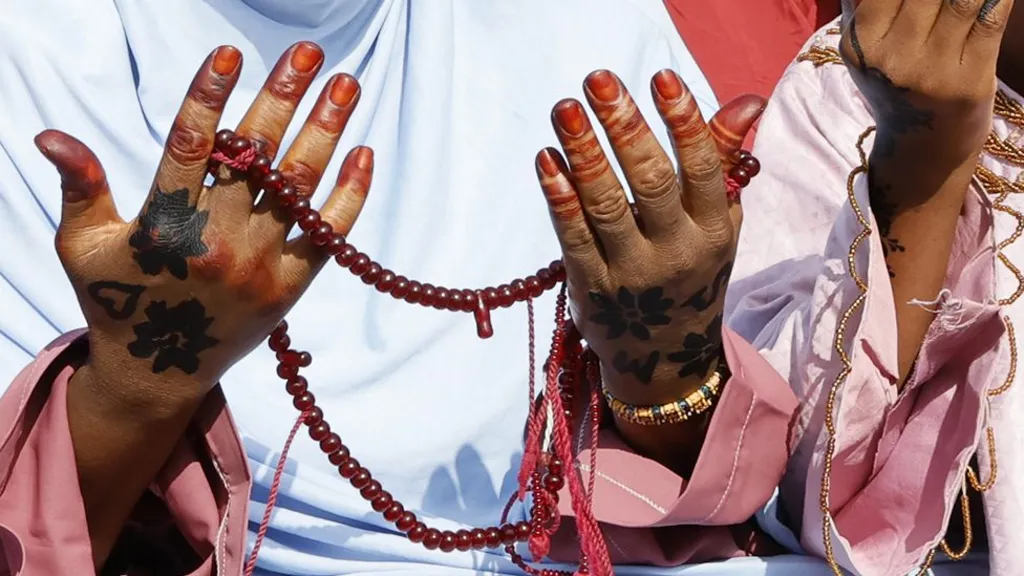
Armed men have abducted 28 Muslim travellers in Nigeria’s central Plateau state after stopping the bus they were using to attend an annual Islamic gathering, according to local sources.
The passengers, among them women and children, were seized on Sunday night while travelling between rural communities. The attackers blocked the road and forced the victims out before escaping into nearby areas, residents said.
A journalist based in Plateau state said families of those taken hostage have already started receiving ransom demands from the kidnappers. The identities of the gunmen remain unclear, and security agencies have not yet issued an official statement on the incident.
The abductions come only a day after Nigerian authorities confirmed the release of the last group of 130 schoolchildren and teachers who had been held following a mass kidnapping at a Catholic boarding school in Niger state last month.
Kidnapping for ransom has become widespread across parts of northern and central Nigeria, where criminal gangs locally known as bandits regularly target travellers, schools and rural communities. Despite ransom payments being illegal, many families are believed to pay in order to secure the release of loved ones, making the crime a major source of income for these groups.
Authorities have said the Plateau state incident is not connected to the long-running Islamist insurgency in the country’s north-east, where jihadist groups have been fighting government forces for more than a decade.
Nigeria’s security challenges drew renewed global attention in November after US President Donald Trump threatened to send troops to “that now disgraced country, ‘guns-a-blazing’”. He alleged that Christians were being targeted in the violence.
The federal government has admitted that insecurity remains a serious problem but has rejected claims that Christians are being singled out.
On Monday, Information Minister Mohammed Idris said recent tensions with the United States over insecurity and claims of religious persecution had been “largely resolved”, leading to improved relations with Washington.
He added that trained and equipped forest guards will be deployed to secure forests and other remote locations often used by criminal groups as hideouts, working alongside ongoing military operations.































Comments
Sign in with Google to comment, reply, and like comments.
Continue with Google