Eid ul-Fitr explained: Meaning, traditions and why it matters
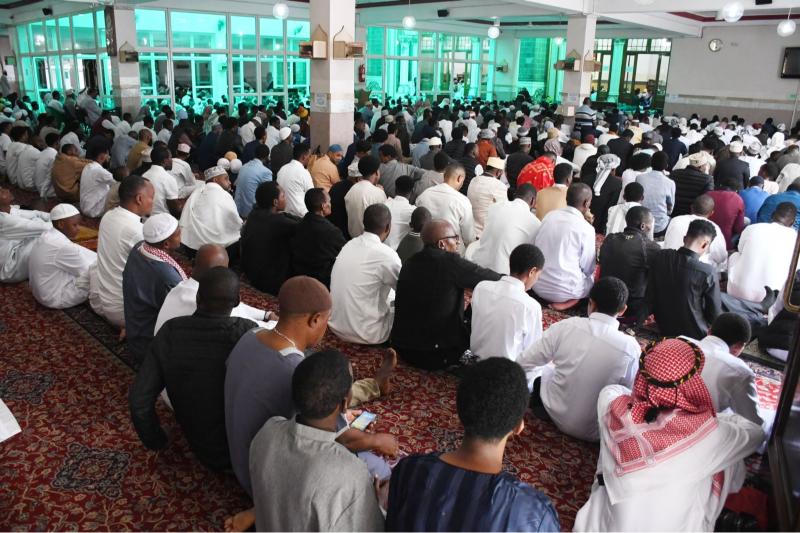
The timing of Eid ul-Fitr is determined by the sighting of the crescent moon, marking the start of Shawwal, the tenth month of the Islamic calendar. Because the calendar follows the lunar cycle, the exact date changes each year.
Eid ul-Fitr celebrations are underway in Kenya and across the globe, marking the end of Ramadan, a sacred month defined by fasting, prayer, and deep personal reflection for Muslims. The occasion ushers in a day of joy and gratitude after weeks of spiritual discipline observed from dawn to sunset.
Known as the “festival of breaking the fast,” Eid ul-Fitr comes at the close of Ramadan, the ninth month in the Islamic lunar calendar. During this period, Muslims refrain from food and drink during daylight hours while dedicating time to prayer, charity, and strengthening their faith.
The day represents more than the end of fasting. It reflects the patience, self-control, and renewed spiritual focus gained throughout the month. For many, it is both a moment of celebration and a reminder to continue living by the values learned during Ramadan.
Muslims express gratitude to Allah for the strength to complete the fast and look ahead with a commitment to kindness, generosity, and discipline in their daily lives.
The timing of Eid ul-Fitr is determined by the sighting of the crescent moon, marking the start of Shawwal, the tenth month of the Islamic calendar. Because the calendar follows the lunar cycle, the exact date changes each year.
Across Kenya, the day is marked by large gatherings in cities and towns such as Nairobi, Mombasa, Garissa and other regions with vibrant Muslim communities. Worshippers begin the day with Salat al-Eid, a special prayer held in mosques as well as open areas like fields and beaches, especially along the coast.
Following the prayers and a brief sermon, people exchange greetings such as “Eid Mubarak” (Blessed Eid) and “Eid Sa‘id” (Happy Eid). The rest of the day is spent visiting relatives, sharing meals and celebrating together.
Children are at the heart of the festivities, often dressed in new outfits and receiving gifts or money, adding to the cheerful atmosphere in homes and communities.
A key part of the observance comes before the prayers, when Muslims give Zakat al-Fitr. This act of charity ensures that those in need are also able to take part in the celebrations.
Several customs shape the day, including communal prayers that bring people together, acts of giving, and the preparation of special meals that reflect both cultural and family traditions. Visiting loved ones and making peace with others is also a common practice during this time.
Eid ul-Fitr is observed by about 1.9 billion Muslims worldwide, cutting across continents from Africa and the Middle East to Asia, Europe and the Americas. While cultures may differ, the essence of the celebration remains rooted in prayer, generosity and unity.
At its core, the occasion carries a deeper message of renewal and compassion. It encourages believers to remain mindful of others, especially those in need, and to continue practicing the values of empathy and togetherness.
As Kenyan Muslims join others around the world in marking the day, homes and communities are filled with prayer, shared meals and charitable acts that reflect both faith and cultural identity.



Comments
Sign in with Google to comment, reply, and like comments.
Continue with Google