Trump announces three-day Russia–Ukraine ceasefire and prisoner swap deal
Earlier, Russian President Vladimir Putin had announced a separate ceasefire covering 8–9 May ahead of Victory Day celebrations on Saturday. Ukraine, however, had pushed for a longer and indefinite ceasefire beginning 6 May, which was not accepted.
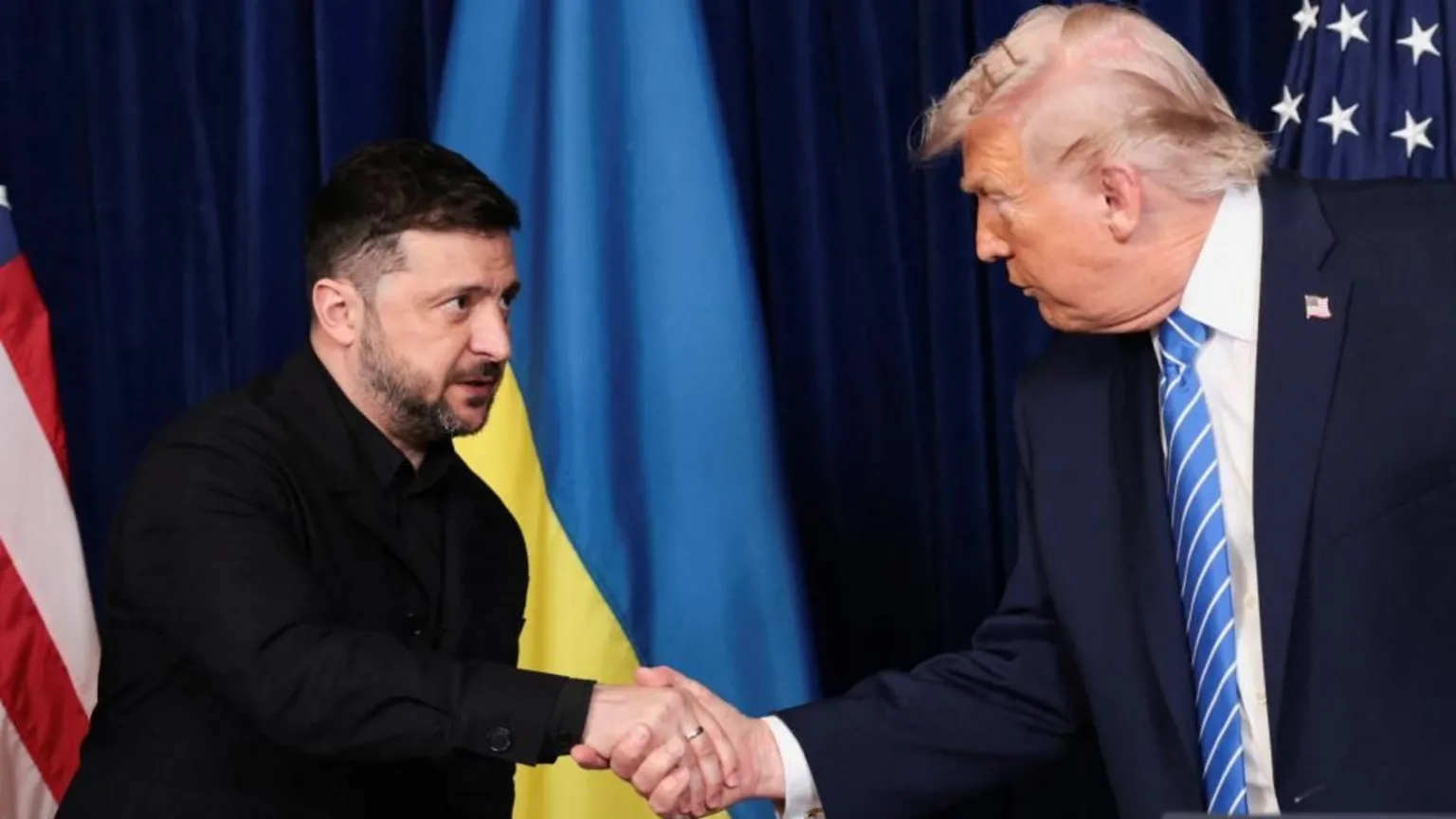
US Donald Trump has announced a three-day ceasefire agreement between Russia and Ukraine, coming after both sides traded accusations of violating earlier temporary truces linked to Victory Day commemorations marking the Soviet Union’s defeat of Nazi Germany.
The announcement introduces a short pause in fighting alongside a large prisoner exchange, even as reports of strikes and drone attacks continue across both countries. The move comes amid growing diplomatic pressure to reduce hostilities and revive stalled peace efforts.
Trump said the truce followed his personal request and was agreed to by both leaders.
"This ceasefire will include a suspension of all kinetic activity, and also a prison swap of 1,000 prisoners from each country," the US president said.
Ukraine’s President Volodymyr Zelensky later confirmed participation in the arrangement, signaling Kyiv’s acceptance of the short-term deal.
In his statement, Trump added, "I very much appreciate its agreement by President Vladimir Putin and President Volodymyr Zelenskyy".
Earlier, Russian President Vladimir Putin had announced a separate ceasefire covering 8–9 May ahead of Victory Day celebrations on Saturday. Ukraine, however, had pushed for a longer and indefinite ceasefire beginning 6 May, which was not accepted.
Tensions around the commemorations have remained high. Russia warned Ukraine against attempting to disrupt the Victory Day parade in Moscow’s Red Square. The defence ministry threatened a "retaliatory, massive missile strike" on Kyiv’s centre if Moscow was attacked, and advised foreign diplomats to leave the Ukrainian capital before 9 May.
Security measures in Russia have also tightened. For the first time in nearly two decades, there will be no military hardware displayed at the parade. Moscow has been placed on high alert, with fears of possible Ukrainian disruption. Residents in Moscow and St Petersburg have also been warned of possible restrictions to mobile internet services during the period.
The event has also seen reduced international attendance, with only leaders from Belarus, Malaysia, Laos and a few other officials expected.
Despite the announced truce periods, both Russia and Ukraine accused each other of continued attacks. Russia’s defence ministry said Ukraine carried out strikes on civilian targets in border regions including Kursk and Belgorod, and claimed its forces responded with a "mirror response".
Moscow Mayor Sergey Sobyanin reported that about 20 drones were shot down near the city within the first hours of the ceasefire period.
Ukraine also reported continued strikes on its territory, including industrial sites in Perm and Yaroslavl regions, as well as targets in Rostov and in the Chechen capital Grozny. Thirteen airports in southern Russia suspended operations following drone activity.
On the Ukrainian side, President Volodymyr Zelensky said attacks continued heavily despite the ceasefire announcement. Posting on Telegram, he said there had been more than 140 attacks on Ukrainian positions and over 850 drone strikes in the opening hours, adding that Ukraine would "act in kind".
Diplomatic discussions around ending the wider war have also continued in parallel. European Council President António Costa said there was "potential" for the European Union to engage in talks with Russia on the future of European security and eventually the war’s end, with backing from Zelensky.
"I'm talking with the [EU's] 27 national leaders to see the best way to organise ourselves and to identify what we need effectively to discuss with Russia when it comes to the right moment to do this," he said in an interview with the Financial Times.
"We cannot change the geography. We are in Europe, we are neighbours of Russia, and of course we need to talk with them about the future of the security architecture of Europe," he added.
Kremlin spokesperson Dmitry Peskov responded by saying Russia was open to dialogue but would not take the first step.
The United States, which has previously led mediation attempts between Moscow and Kyiv, said it remained ready to assist but warned against prolonged delays. Secretary of State Marco Rubio said during a visit to Italy that Washington did not want to waste time if no progress was being made. Zelensky, meanwhile, said he expected US envoys to visit Kyiv in the coming weeks.
In a separate development, emergency teams in Ukraine are battling a large wildfire in the Chornobyl exclusion zone. Strong winds, dry weather, and the presence of landmines from the ongoing conflict are making containment difficult. Authorities said the fire has already spread across about 11 sq km (4.2 sq miles), though radiation levels remain within the normal range.




Comments
Sign in with Google to comment, reply, and like comments.
Continue with Google