Housing funding model shifts as post-election budget set for Sh360 billion
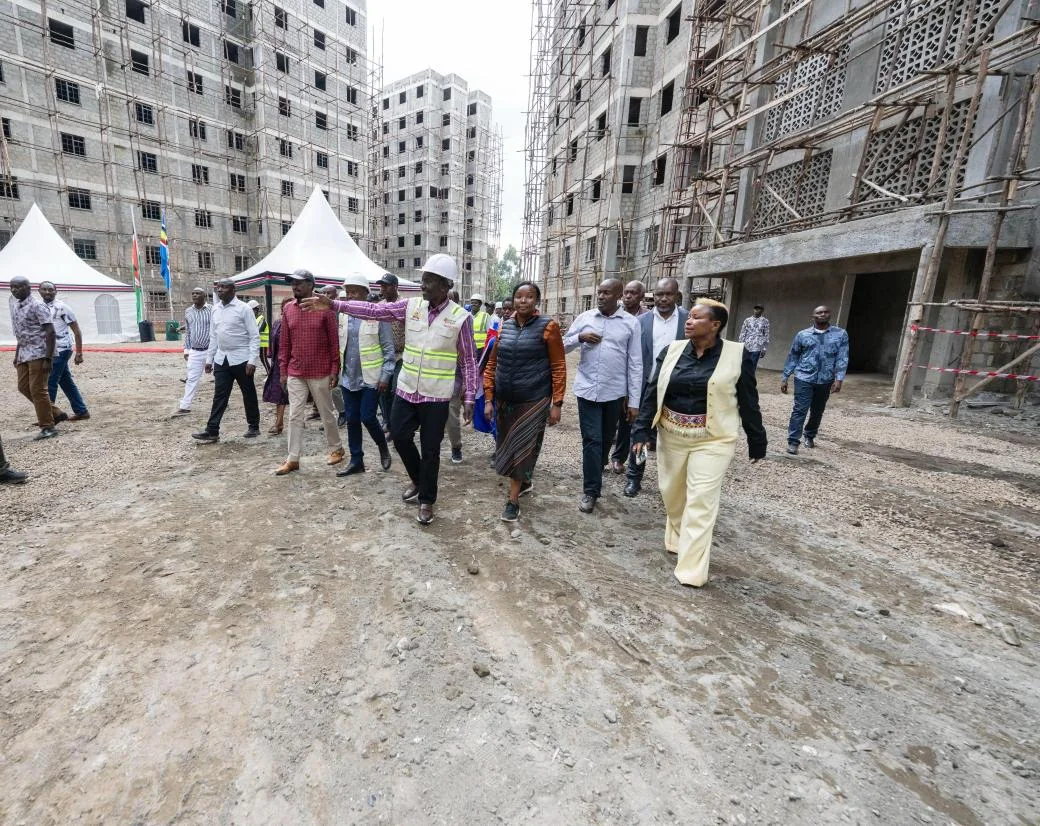
Within the housing programme, affordable housing is expected to register the fastest growth. Allocations are projected to rise to Sh201.1 billion after the elections from Sh50.7 billion in FY2026/27. However, during the election cycle, funding is expected to decline, with a 30.9 per cent reduction from the approved Sh73.3 billion.
Kenya’s affordable housing programme is heading into a major financial transition after the 2027 General Election, with government projections showing a sharp rise in spending backed by expected earnings from completed homes and the housing levy. New budget figures indicate that housing will take a leading share of development funds, reshaping priorities in public infrastructure spending.
According to estimates tabled in the National Assembly, total investment in affordable, social and institutional housing, plus supporting infrastructure such as roads, drainage, sewer systems and street lighting, is projected to reach Sh360.1 billion in FY2027/28. This represents a 227.3 per cent rise from the Sh110 billion allocated for FY2026/27.
The figures also show a clear shift in ranking among development sectors. Roads are projected to receive Sh197.93 billion in FY2027/28, while housing moves ahead as the largest beneficiary of public investment. In the election year ending June 2027, roads spending is expected at Sh176.86 billion, compared to the current approved allocation of Sh92.84 billion.
Within the housing programme, affordable housing is expected to register the fastest growth. Allocations are projected to rise to Sh201.1 billion after the elections from Sh50.7 billion in FY2026/27. However, during the election cycle, funding is expected to decline, with a 30.9 per cent reduction from the approved Sh73.3 billion.
Housing Principal Secretary Charles Hinga said the expansion plan relies heavily on new revenue streams expected once housing units under construction are completed and sold. “The Sh360 billion projection includes funds expected to be realised from projected housing sales and increased levy collections,” Hinga said.
The approach signals a change in financing strategy, where the programme is expected to sustain itself through a mix of levy contributions and returns from housing sales. Authorities expect that large numbers of units will be sold or taken up through tenant-purchase arrangements, generating funds for further expansion of housing projects across the country.



Comments
Sign in with Google to comment, reply, and like comments.
Continue with Google