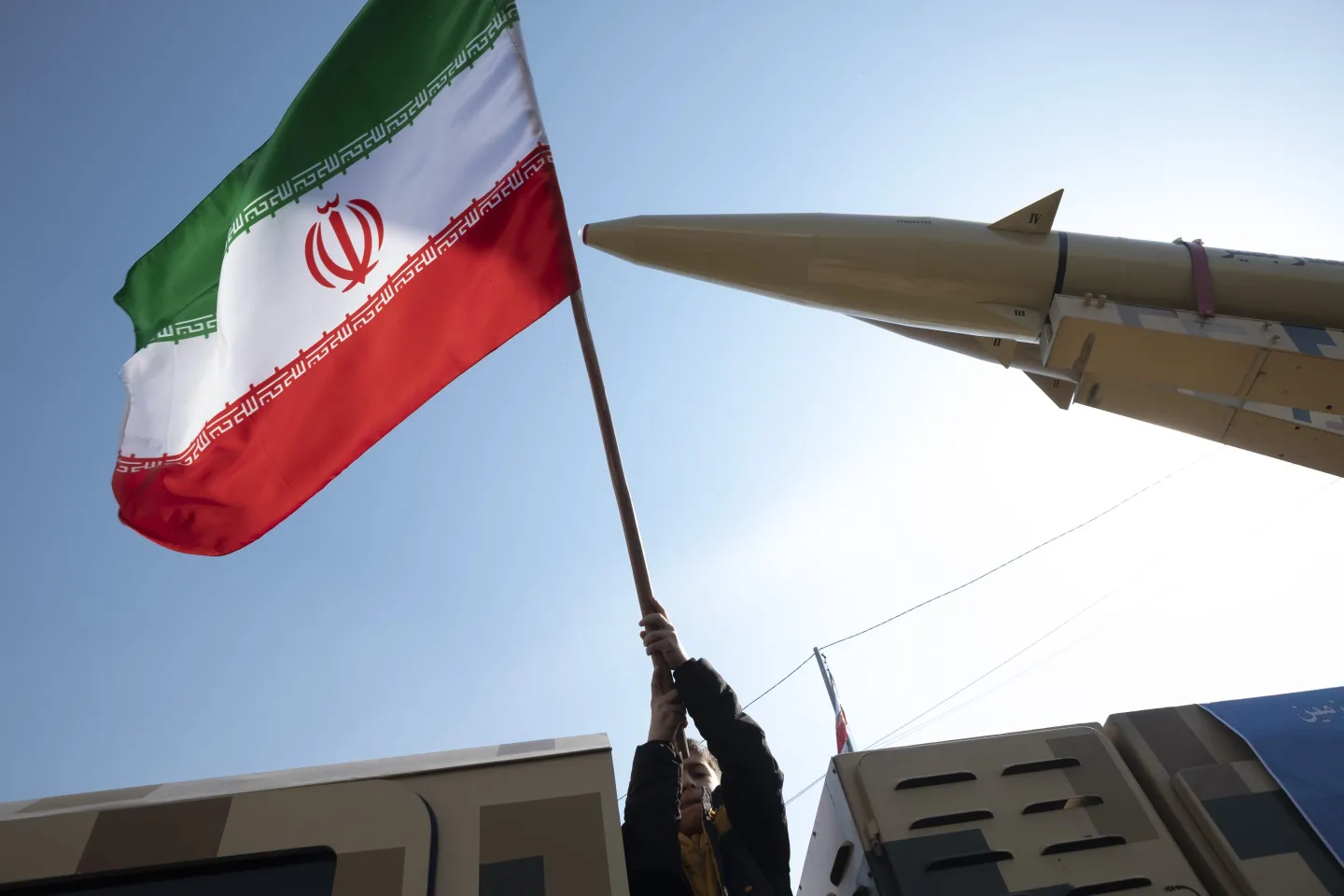
News of the killing of Iran’s supreme leader Ayatollah Ali Khamenei in overnight strikes by the United States and Israel triggered sharply different scenes across the country, with some Iranians pouring into the streets in celebration while others gathered to mourn a man who had led the nation for nearly four decades.
BBC Persian verified videos showing people cheering in several cities on Saturday night. Footage from Isfahan captured residents honking car horns and shouting in jubilation. In another clip, groups stood around a bonfire as fireworks lit up the sky. Some families of protesters who had previously been killed were also seen celebrating at home and in the streets.
Reuters reported that similar celebrations took place in Karaj, near Tehran.
By early morning, however, the mood appeared to shift in many areas. BBC Persian said pro-government gatherings were taking shape to mourn the supreme leader.
Images from Tehran showed crowds holding Khamenei’s photos and expressing grief. With the day still unfolding, it remained unclear how public reactions might develop.
Iranian state television said Khamenei was killed in his office during the strikes. The government announced 40 days of mourning for the hardline cleric, who had ruled the country for 37 years.
Iran’s army warned of the “most devastating” retaliation in response to the attacks. The Islamic Revolutionary Guard Corps said it would launch a “devastating offensive” targeting US bases and Israel.
Under Iran’s constitution, the successor to the supreme leader must be chosen by the same body that appointed Khamenei, the Assembly of Leadership Experts.
The killing marks a turning point in Iran’s turbulent history, BBC chief international correspondent Lyse Doucet wrote, describing it as a defining moment for the nation.
In Washington, President Donald Trump said Khamenei was “one of the most evil people in history” and that his death marked “the single greatest chance for the Iranian people to take back their country”.
The Iranian Red Crescent said more than 200 people were killed in the strikes. CBS News, the BBC’s media partner, reported that around 40 Iranian officials were among the dead.
Iran has since launched attacks across the Middle East, targeting US allies and locations hosting American military bases, including Dubai, Doha, Bahrain and Kuwait.
Authorities in the United Arab Emirates said four people were injured following an incident at Dubai International Airport, one of the world’s busiest aviation hubs.
The United Kingdom is taking part in “co-ordinated regional defensive operations” to protect British citizens and partners in the region, Prime Minister Keir Starmer said.
Reza Pahlavi, the exiled son of Iran’s last shah, welcomed the death of Khamenei in a statement. In an essay published in the Washington Post, he thanked President Trump for his declaration to the Iranian people that “the hour of your freedom is at hand”.
Pahlavi wrote that for almost half a century, the Islamic Republic has been “subverting neighbors’ sovereignty, fueling conflicts around the world, and pursuing nuclear weapons and the long-range missiles to deliver them”.
He said the Islamic Republic’s most “heinous crimes” were committed at home, including thousands of protesters who were killed during a crackdown on demonstrators in January.
Pahlavi argued that Iran’s future should involve drafting a new constitution to be approved through a referendum, followed by free elections with “international oversight”.
“History rarely announces its turning points in advance. But moments do come when courage, leadership and solidarity can change the course of nations,” he wrote.


























Comments
Sign in with Google to comment, reply, and like comments.
Continue with Google