Court battle deepens over Safaricom stake sale freeze
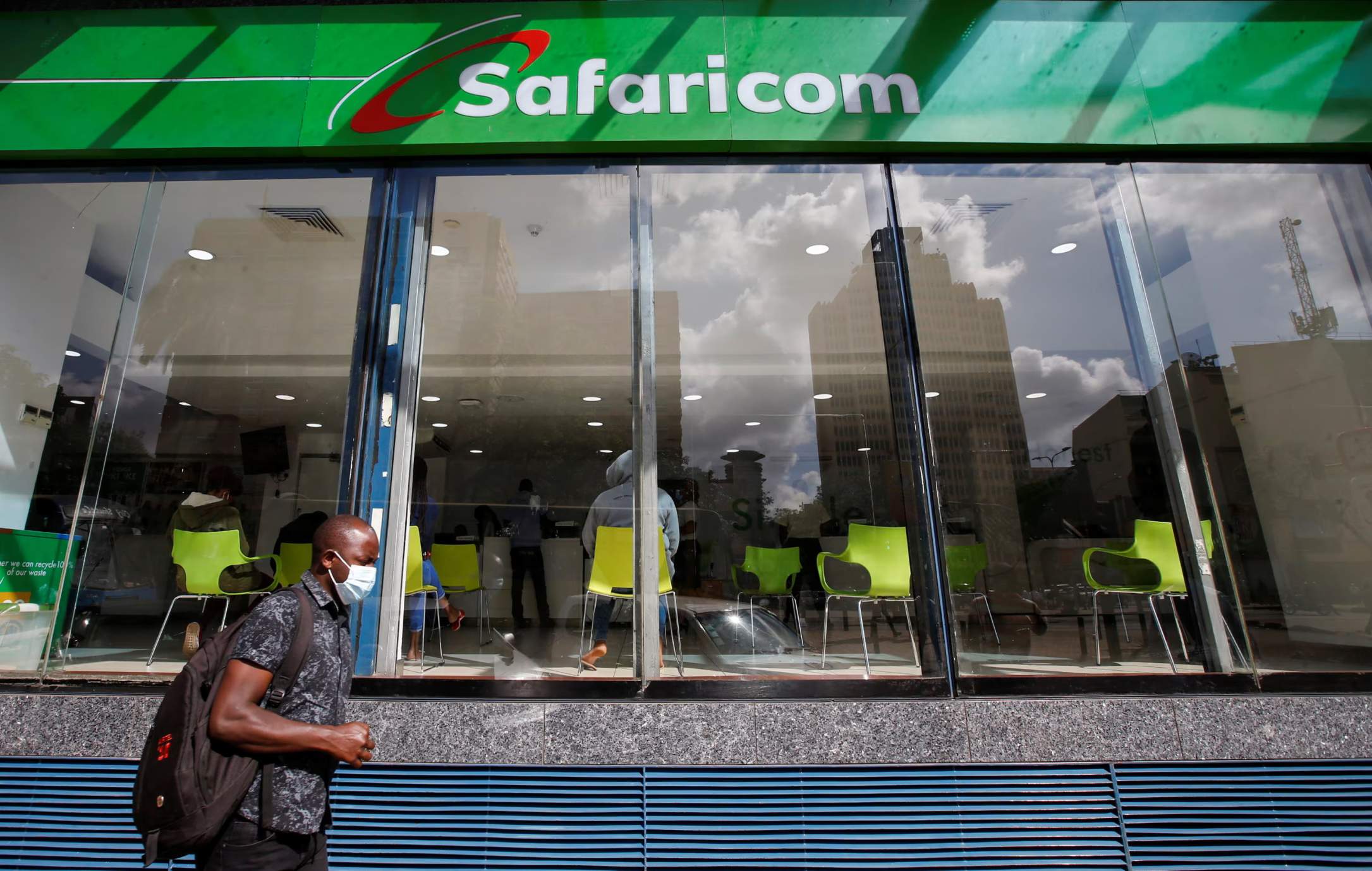
Kalonzo told the judges that the company’s reach cuts across multiple sectors, making it a backbone of economic activity. He added that steps toward the share sale had already progressed within state organs, including approval by the National Assembly.
A fierce legal contest has emerged over the government’s plan to sell part of its stake in Safaricom, with senior counsel Kalonzo Musyoka urging the High Court to keep in place orders that have temporarily halted the transaction, warning that moving ahead could defeat the purpose of ongoing constitutional challenges.
Kalonzo, appearing before a three-judge bench on Thursday, pressed the court to retain the freeze on the proposed sale of a 15 per cent government shareholding in Safaricom until all petitions questioning the process are fully heard and determined.
He argued that the telecom firm holds a central place in the country’s economic life and should not be subjected to a process whose legality is still under scrutiny.
“Safaricom happens to be the goose that lays the golden egg, contributing significantly to GDP of our economy,” he submitted.
He told the judges that the company’s reach cuts across multiple sectors, making it a backbone of economic activity. He added that steps toward the share sale had already progressed within state organs, including approval by the National Assembly.
“This is informed by the fact has approval in their hands from National Assembly effective April 1 to sell subject matter of this petition, that is, 15 per cent shares of Safaricom,” he said.
Kalonzo cautioned that lifting the current orders would weaken the cases before court.
“If orders are lifted, the rest would be academic,” he said.
He urged the bench to preserve the existing position, noting that several petitions challenging the legality of the sale are now before the court. The matter is being handled by a bench constituted by Chief Justice Martha Koome, following earlier directions issued by Justice Lawrence Mugambi to maintain the status quo pending the formation of the panel.
Kalonzo stressed that Safaricom should be treated as a strategic national asset rather than just another listed company. He pointed to its mobile money platform, M-Pesa, as an example of a Kenyan innovation that has gained global recognition.
“The world has taken note. The name M-Pesa, a Kenyan invention, has hit international space,” he said.
He added that the company supports millions of Kenyans directly and indirectly, and plays a major role in advancing financial inclusion and national development.
The application was opposed by lawyer John Ohaga, representing some of the respondents, including Safaricom and the Attorney General. He argued that the earlier direction by Justice Mugambi was only meant to hold the position temporarily and cannot be treated as a substitute for conservatory orders.
“Orders of status quo cannot supplant conservatory orders. They are not a replacement,” the lawyer said.
Ohaga maintained that the status quo direction had already lapsed, leaving it to the current bench to decide whether fresh orders should be granted. He told the court that a formal application for conservatory orders is already on record and should be determined at the appropriate stage.
“You don’t have a full case that you can determine because the case is still developing,” he said.
“There are four petitioners. They should not flatter themselves they represent 40 million Kenyans,” counsel said.
He also told the court that there is no evidence so far showing that Parliament acted outside the law in approving the sale. Ohaga further dismissed claims raised in the petitions that Vodafone Kenya Limited is a foreign entity.
The judges are now expected to issue directions on whether to extend orders stopping the sale of the Safaricom stake as the court prepares to hear and determine the case.




Comments
Sign in with Google to comment, reply, and like comments.
Continue with Google