Microfinance Bill 2026 proposes caps on recoveries for defaulted mobile loans
A proposed Microfinance Bill, 2026 would limit what lenders can recover after a loan turns non-performing, restrict collateral, and expand Central Bank oversight. It also proposes criminal penalties, including up to Sh5 million fines, for illegal lending.
Millions of Kenyans who rely on mobile loan apps could soon be shielded from runaway debt, public humiliation and aggressive recovery tactics under a new law that proposes tough restrictions on lenders and gives regulators wider powers to police the industry.
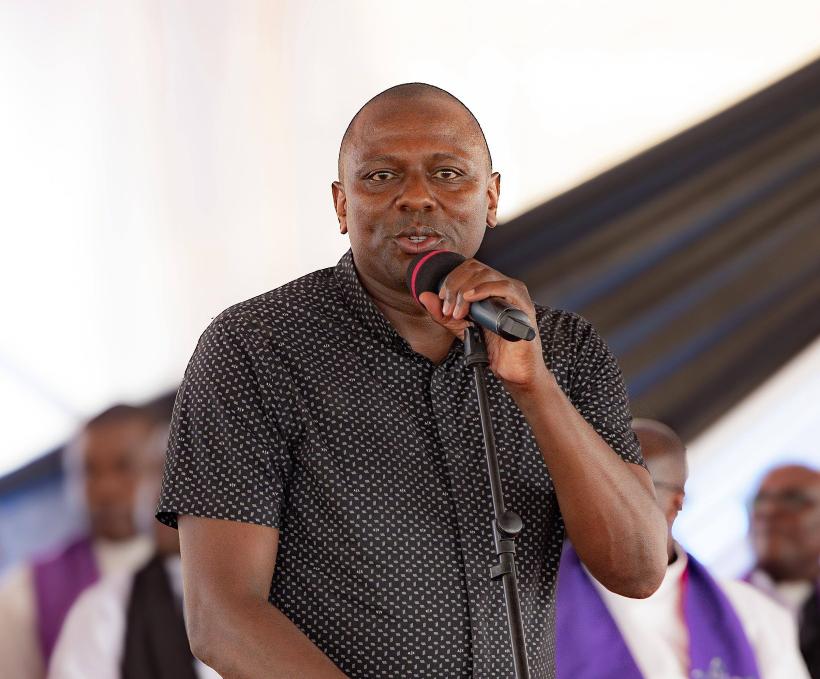
The Microfinance Bill, 2026, sponsored by Majority Leader Kimani Ichung’wah, seeks to overhaul how digital lenders and microfinance institutions operate by introducing borrowing safeguards, criminal penalties for rogue operators and limits on the amount lenders can collect from defaulted loans.
The proposed legislation follows growing concern over the conduct of some lenders accused of charging excessive interest, harassing borrowers and using debt-shaming tactics to recover money.
According to the Bill’s memorandum, the objective is “to provide a safe and sound environment for the microfinance banks to meet the evolving needs of the consumers.”
A key proposal in the Bill is a ceiling on recoveries from loans that have fallen into default, a move expected to offer relief to borrowers trapped in growing debt burdens.
Under the law, once a loan becomes non-performing, a lender would only be allowed to recover the outstanding principal at the time of default.
The institution would also be entitled to recover interest agreed upon in the loan contract, but that interest cannot exceed the amount of the outstanding principal when the loan became non-performing.
In effect, a borrower who took a Sh10,000 loan and later defaulted would not be required to pay more than Sh20,000 in total, including interest and any other charges, regardless of how long the debt remains unsettled.
The Bill also provides guidance for cases where a borrower resumes repayment after default before falling behind again.
“If a loan becomes non-performing and then the debtor resumes payments on the loan and then the loan becomes non-performing again, the limits... shall be determined with respect to the time the loan last became non-performing,” the Bill reads in part.
The proposed limits would not only apply to future defaults but would also cover loans that had already become non-performing before the legislation takes effect.
Borrowers could also benefit from new restrictions on the type of security lenders are allowed to demand.
“A person conducting a non-deposit taking business shall not take any form of deposit or cash collateral from any person,” the proposed law states.
Any institution that breaches the requirement would be liable, upon conviction, to imprisonment for a term not exceeding three years, a fine not exceeding Sh5 million, or both.
The Bill further tightens rules on ownership of land by lenders. Although land may still be used as security for a loan, institutions would only be permitted to acquire such property under limited circumstances.
The legislation states that a lender cannot acquire land “except such land or interest as may be reasonably necessary for the purpose of conducting its business.”
Where a borrower defaults, a lender would be required to seek the opinion of the Central Bank before holding land for purposes of recovering the debt.
The proposed law also cracks down on illegal lending operations by imposing a penalty of up to Sh5 million, a jail term of up to three years, or both, on anyone conducting microfinance business without a licence. False and misleading advertisements by lenders would also become criminal offences.
At the same time, the Bill seeks to address concerns over insiders benefiting from microfinance institutions by restricting loans issued to directors, officers, employees and other associates beyond limits to be set by the Central Bank.
The measures are intended to strengthen oversight of the sector while protecting borrowers from practices that have for years attracted public criticism.




Comments
Sign in with Google to comment, reply, and like comments.
Continue with Google