Bill moves to strip Senate role in approval of CBK deputy governors
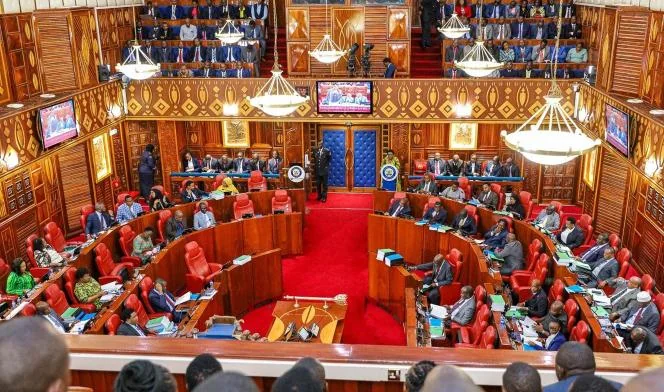
At the moment, the President nominates the deputy governors of the Central Bank of Kenya and forwards the names to both the Senate and the National Assembly under the framework of the Parliament. The two Houses then carry out joint approval hearings and later prepare a joint report that is debated in both chambers.
A fresh proposal in Parliament is set to remove the Senate from the approval process of Central Bank of Kenya deputy governors, giving the National Assembly full control over the vetting of top officials at the Central Bank of Kenya.
The Central Bank of Kenya (Amendment) Bill, 2026, which has been brought forward by the Finance and National Planning Committee, seeks to change how nominees for the positions of deputy governors are approved.
If it is passed, only the National Assembly will take part in the approval process, shutting out the Senate from a role it currently shares.
At the moment, the President nominates the deputy governors of the Central Bank of Kenya and forwards the names to both the Senate and the National Assembly under the framework of the Parliament. The two Houses then carry out joint approval hearings and later prepare a joint report that is debated in both chambers.
However, the proposed change would alter this arrangement by replacing the word “Parliament” with “the National Assembly” in Section 13B of the Central Bank of Kenya Act. This means the Senate would no longer take part in vetting or approving the nominees.
The process currently in use has involved joint sittings where both Houses sit together to examine nominees. In some cases, differences between the two Houses have led to disagreements on approval outcomes.
“Unless a decision is reached by consensus, any vote taken in the joint sittings of the committees shall be by separate Houses,” the joint sittings rules state.
The committee behind the Bill argues that the move is meant to make the approval process smoother and more consistent, especially since the Central Bank of Kenya governor is already approved only by the National Assembly.
“The amendment seeks to align the approval process for the deputy governor with that of the governor of the Central Bank of Kenya, whose appointment is subject to approval by the National Assembly,” the memorandum states.
The Bill also comes with wider changes aimed at updating the legal framework of the Central Bank of Kenya. It expands the institution’s mandate to include promoting the stability and proper functioning of the financial system, as well as strengthening regulation of banks.
It further proposes giving the bank a new role in training and capacity building for its staff, government bodies, the public, and even institutions from other countries.
Another key proposal gives the Central Bank of Kenya wider powers to handle precious metals, allowing it to buy, sell, import, export, hold, and refine gold, silver, platinum, and other metals under conditions it sets.
The Bill also changes rules on emergency support for financial institutions. It separates normal monetary operations from emergency assistance during times of financial stress, allowing the bank to support banks and microfinance institutions that are stable but under pressure.
If approved, the changes are expected to reopen debate on the role of the Senate and the National Assembly in oversight of major state institutions.




Comments
Sign in with Google to comment, reply, and like comments.
Continue with Google