Indonesia is set to prevent children under 16 from using several major online platforms, including social media and gaming apps, as authorities aim to shield minors from increasing online threats.
The government said the move is designed to support parents in managing their children’s digital safety and to reduce exposure to harmful content.
Communications and digital affairs minister Meutya Hafid announced that starting March 28, accounts of users under 16 on platforms considered high risk would be deactivated.
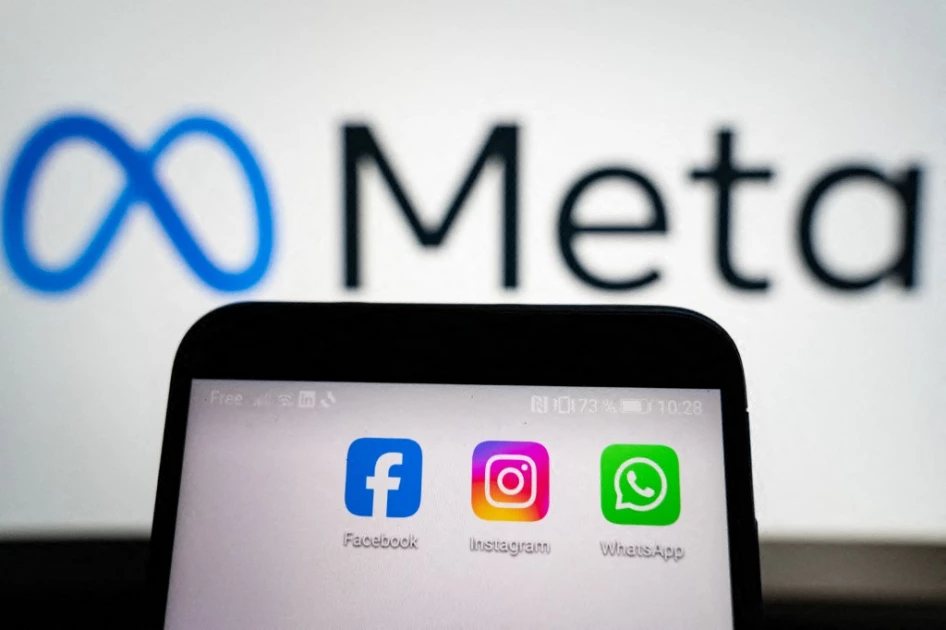
“This will start with platforms such as YouTube, TikTok, Facebook, Instagram, Threads, X, Bigo Live, and Roblox,” Hafid said, noting that Indonesia would become “the first non-Western country to delay children's access to digital spaces according to age”.
Hafid highlighted that children are encountering serious risks online, including exposure to pornography, scams, cyberbullying, and digital addiction. “The government is stepping in so that parents no longer have to fight alone against the giants of algorithm-driven platforms,” she added.
Data from 2023 by UNICEF indicates that nearly half of the children surveyed in Indonesia reported encountering sexual content on social media, underlining concerns over online safety.
Many parents welcomed the measure. Amanda Kusumo, a working mother of two, said the policy would ease the burden of supervising children in the digital world. “As a working mum with two children, especially with a teenage son, I don't have much time to constantly monitor what my son is doing in the digital world,” she said.
Kusumo expressed optimism about the new rules, adding, “With government regulations like this, it really helps ease our worries as parents. I'm confident that the government's decision will ultimately bring positive benefits for both children and parents.”
Her teenage son, Matt Joseph, 17, said he understood both sides of the debate. “It's true that children still can't fully manage their own screen time or control themselves when using their phones. But if the government chooses to completely block all platforms considered 'risky' for them, I feel there might be a gentler, wiser way to approach it,” he said.
Matt suggested that social media provides much of the entertainment that young people enjoy and that alternative content could encourage safer usage. “It would be nice to have entertainment that feels like it's really meant for us, something that supports learning while still giving us joy,” he added.
Indonesia’s child protection agency has said it will review the government’s plan before commenting. Meanwhile, Nurul Izmi of the Institute for Policy Research and Advocacy emphasized that protecting children is not just about age restrictions.
She cited international examples where advertising targeting children is regulated and said policies must prioritize safety while respecting freedom of expression.
Izmi also raised concerns about age verification systems requiring children’s personal data, stressing the importance of protecting privacy. “In protecting children in digital platforms, it's essential not to overlook guarantees of access to information or children's freedom of expression. In human rights, every restriction on rights must be based on lawfulness, necessity, and proportionality,” she said.
The move mirrors similar policies introduced elsewhere. In December, Australia became the first country to require social media platforms to block under-16 users. Other countries, including Spain and the UK, have explored similar measures, with the UK opening consultations to gather views from children and parents.
Indonesia has previously blocked access to certain explicit content online, including AI chatbots and adult websites, to reduce exposure to harmful material. The government’s latest action is part of broader efforts to ensure safer online environments for children.