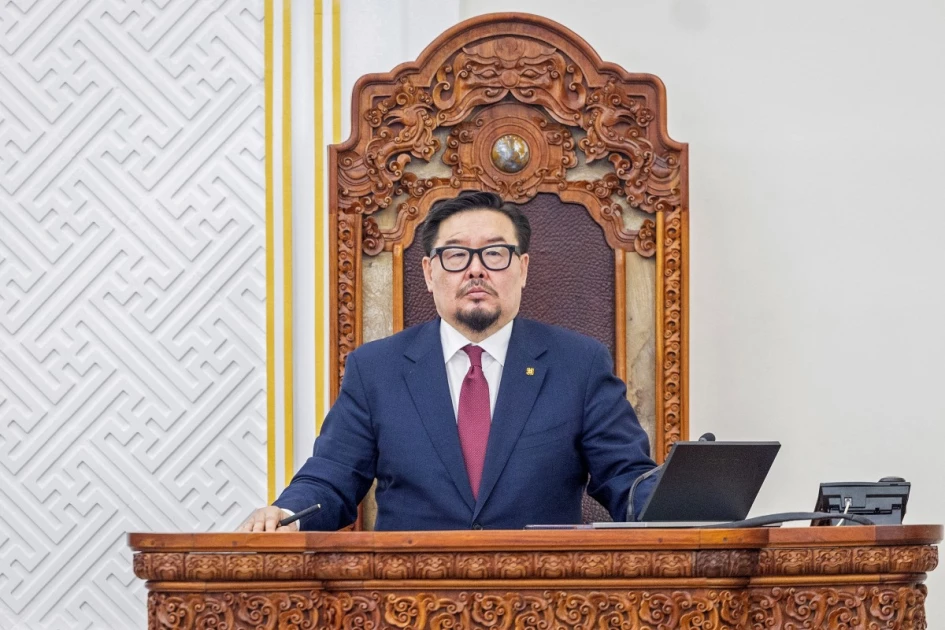
Mongolia has been thrust deeper into political uncertainty after Prime Minister Gombojav Zandanshatar stepped down on Friday, ending a short-lived tenure marked by persistent disputes within government and rising tensions in parliament.
Zandanshatar, who had led the cabinet for about nine months, said he chose to resign at what he described as a difficult moment for the country. His exit comes amid growing divisions within the ruling establishment and a sustained boycott of parliamentary proceedings by the opposition Democratic Party of Mongolia.
He is expected to be succeeded by Uchral Nyam-Osor, the current speaker of parliament, whose leadership has been at the centre of the ongoing standoff. Opposition lawmakers have refused to attend sessions since the spring sitting began on March 16, protesting Uchral’s role and alleging corruption. They argue that a senior figure within the ruling party should not simultaneously oversee the legislature.
The boycott has slowed down parliamentary business, leaving key processes stalled and raising concerns over governance in the country.
Zandanshatar’s administration had already faced pressure earlier, with attempts to remove him coming just months after he took office. In October, Mongolia’s constitutional court rejected a parliamentary move to oust him after only four months in power, allowing him to continue despite the unrest.
The ruling Mongolian People’s Party is also grappling with internal rivalry. The party remains divided into factions linked to President Ukhnaa Khurelsukh and former prime minister Luvsannamsrain Oyun-Erdene, further complicating efforts to maintain unity.
Addressing parliament during his resignation, Zandanshatar pointed to wider global pressures as part of his decision.
"The world is entering a critical geopolitical period," Zandanshatar told parliament as he tendered his resignation.
"Ongoing conflicts are driving up oil prices, which will inevitably increase the cost of goods. At such a challenging time, in order not to lose a single day or minute, I am setting aside my personal and political interests and stepping down at my own request," he said.
Parliament now has 30 days to appoint a new prime minister. The Mongolian People’s Party is expected to name its candidate at an upcoming party congress, though the date has not yet been announced.
The latest resignation follows the departure of Luvsannamsrain Oyun-Erdene in 2025 after he lost a confidence vote in parliament, highlighting a continuing cycle of leadership changes that has unsettled Mongolia’s political scene.