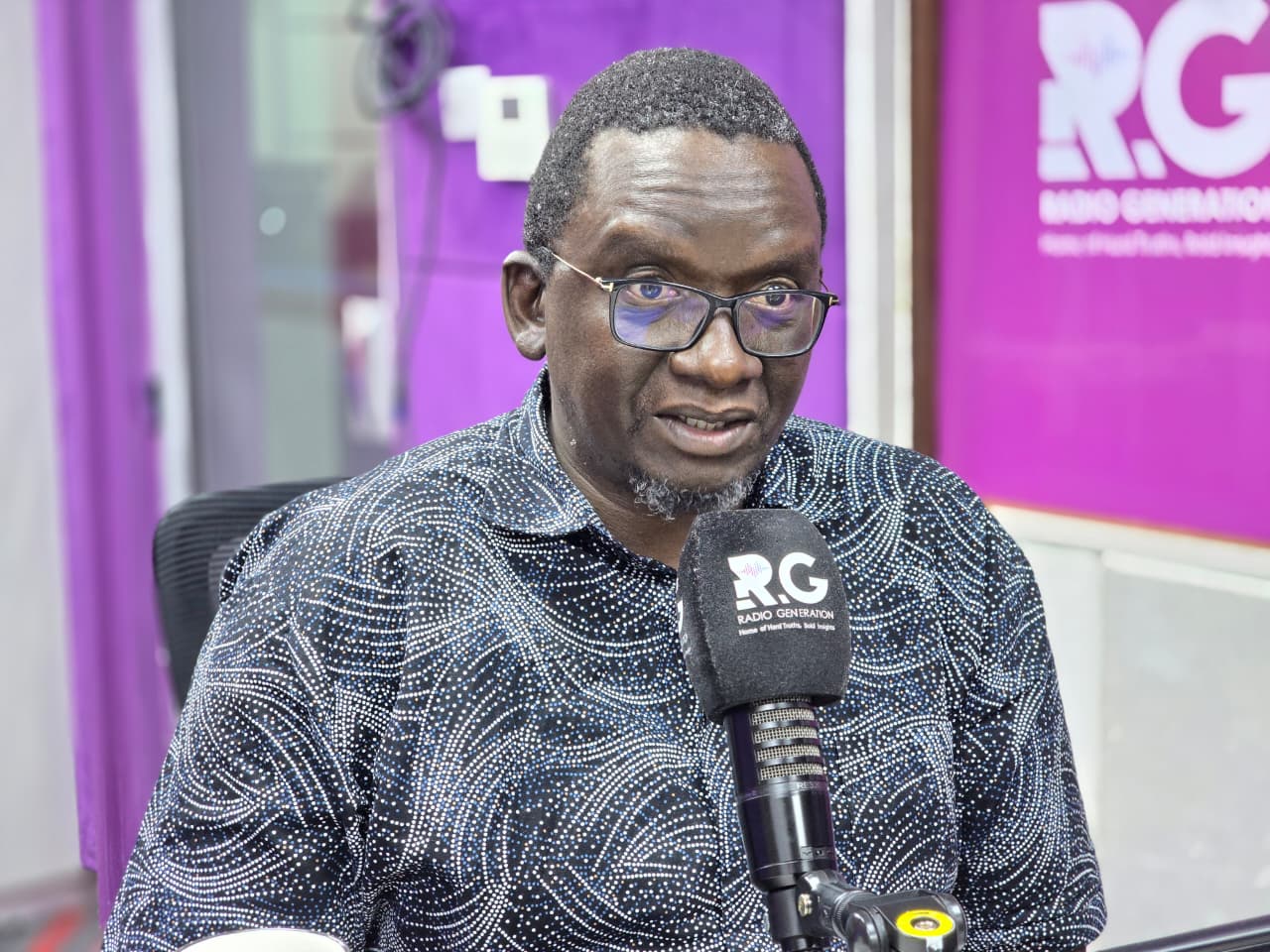
Governance expert Joshua Nyamori has defended the government’s response to Kenya’s multi-billion-dollar fuel scandal, urging patience as investigations continue.
While public debate has focused on a reported Sh500 million, evidence shows the wider case involves about Sh4 billion, with the smaller figure linked to cash recovered during ongoing probes.
Speaking on Monday in a Radio Generation interview, he urged caution in interpreting early reports, warning against premature conclusions about the integrity of the investigation.
“I think it is too early for us to start saying that there are exhibits that have disappeared,” he said.
He pointed to official statements from investigators, noting that authorities had already taken action, including the arrest of senior officials in the energy sector.
“DCI just announced that they have arrested three individuals who are high-ranking government officials and that investigations are still going on,” he said.
The DCI said it had arrested four senior energy sector officials in connection with the fuel procurement scandal in which more than Sh500 million in cash was recovered during raids.
Those arrested were Petroleum Principal Secretary Mohamed Liban, Kenya Pipeline Company Managing Director Joe Sang, Energy and Petroleum Regulatory Authority Director General Daniel Kiptoo, and Petroleum Deputy Director Joseph Wafula.
According to investigators, the officials are accused of manipulating data on national fuel reserves to create a false shortage, which justified emergency fuel procurement at inflated prices.
The DCI stated it had recorded statements from witnesses and persons of interest and expanded the probe to include private sector actors.
Energy Cabinet Secretary Opiyo Wandayi urged calm, saying: “We wish to appeal to the public to be patient and allow the relevant government agencies to undertake independent and professional investigations.” He also warned that authorities would not tolerate cartels, profiteers, or extortionists.
President William Ruto said the alleged manipulation was intended to exploit global price volatility and public anxiety, creating a false impression of fuel shortages.
He added that the emergency fuel shipment was procured in blatant breach of established frameworks and at inflated prices.
Separately, reports indicated that over Sh500 million recovered during the raids later went missing from police custody, further deepening the controversy.
According to Nyamori, the process is unfolding within established legal frameworks and should be allowed to run its course.
“The process is still on track,” he stated, adding that once investigations are complete, the case will be forwarded for prosecution.
The governance expert emphasised that his position is based on information released by government institutions, rather than external commentary.
“We should use the information that we have that is not from the opposition, not from the media, but has actually been released by government,” he said.
He argued that the exposure of the scandal itself demonstrates that systems designed to detect wrongdoing are operational.
“What it means is that we are developing systems that are working,” he added.
While acknowledging public frustration, Nyamori maintained that corruption is a global challenge and not unique to Kenya.
Instead, he stressed that the strength of governance should be judged by how effectively systems identify and respond to misconduct.
“What matters is that we have systems that can discover, get them, and when they are discovered, then action is taken about them,” he said.
Nyamori credited President William Ruto with taking decisive steps against entrenched cartels across multiple sectors.
“This president has demonstrated that when there is a problem, he moves in,” he said.
He cited interventions in agriculture, including fertiliser, tea and coffee sectors, as well as the current crackdown in the oil sector, as evidence of a broader reform agenda.
“He disrupted them in the coffee sector, in the fertiliser sector, in the tea sector, he’s disrupting it in the oil sector,” Nyamori said.
He urged Kenyans to recognise these efforts and allow investigative agencies time to complete their work.
“We should recognise that action is being taken and give space to DCI to complete their investigation and take these guys to court,” he said.
Despite defending the process, Nyamori acknowledged that the fight against corruption remains incomplete.
“We are not there yet. We have a long way to go,” he said.
However, he cautioned against focusing solely on arrests or resignations as measures of success.
“The fight against corruption definitely needs arrest. But the most important thing is building systems that can prevent, discover and stop leakages,” he said.
He pointed to improvements in revenue collection as an example of systemic reform, noting that government income has significantly increased following changes in payment systems.
“Government revenue moved from 50 million shillings to 1 billion shillings per day, that is significant,” he said.
Nyamori concluded by expressing strong confidence in the current administration’s ability to tackle corruption.
“If anybody is to sort out the mess in this country, it will be President William Ruto,” he said. “If he doesn’t sort it out, I can assure you, nobody will sort it out.”
His remarks reflect a wider national debate whether Kenya’s anti-corruption efforts should be judged by immediate visible outcomes or by the gradual strengthening of systems designed to prevent future scandals.