Intense diplomatic efforts to resolve the war in Ukraine continued over the weekend as US and Ukrainian officials wrapped up talks in Geneva, reporting progress but leaving major disagreements unresolved.
While discussions focused on shaping a peace framework, no agreement emerged on the most contentious issues: Russian-occupied territories and security guarantees for Ukraine.
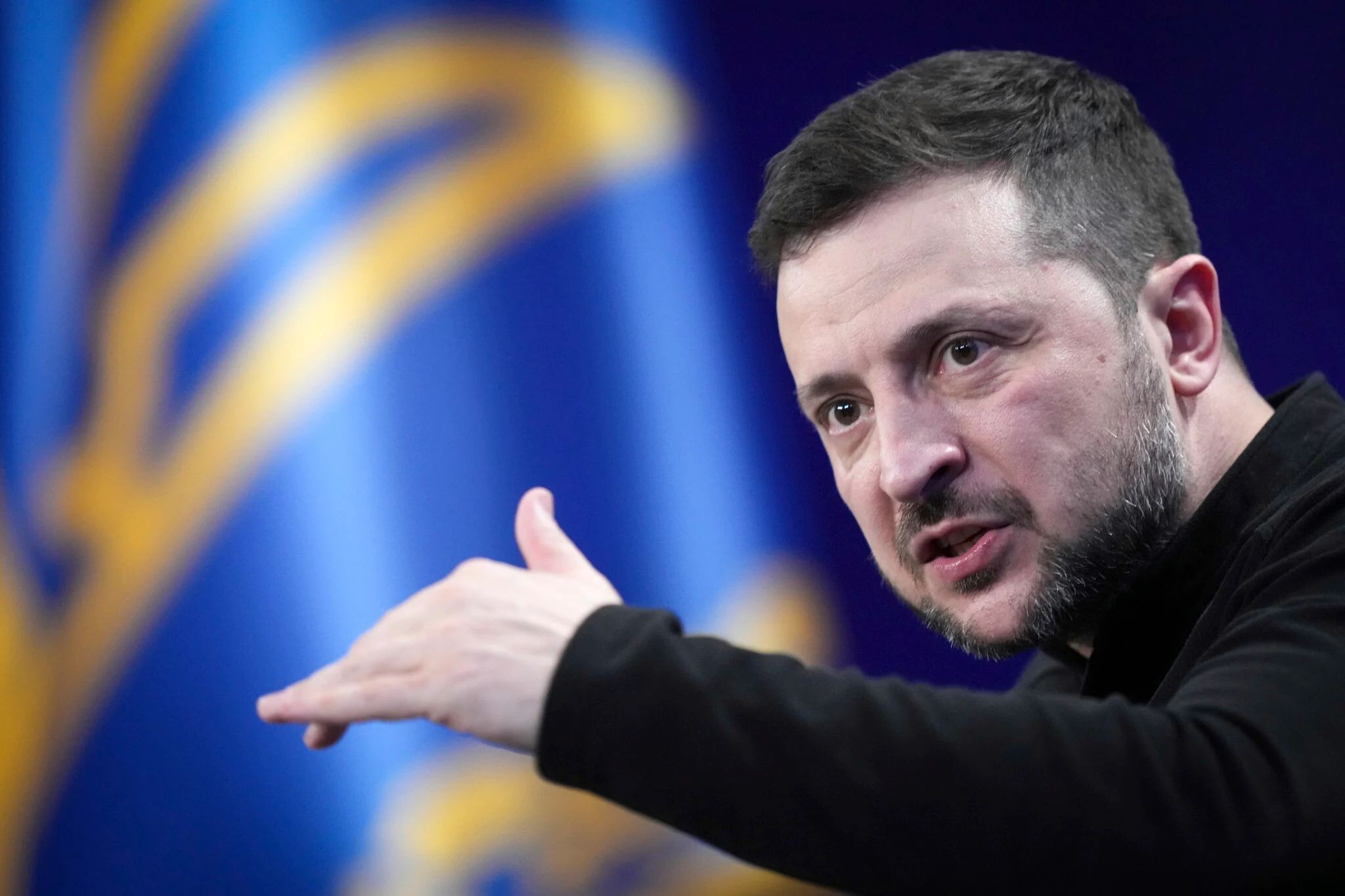
President Volodymyr Zelensky described the talks as a step forward but cautioned that Moscow’s insistence on formal recognition of the land it controls remains the key obstacle. “This would break the principle of territorial integrity and sovereignty,” he said, underlining Ukraine’s refusal to reward Russia’s aggression with any concession of land.
Former US President Donald Trump chimed in on social media, suggesting that “something good just may be happening,” but added a note of caution: “Don’t believe it until you see it.” The comments came amid pressure on Ukraine to respond quickly to a peace proposal reportedly influenced by US and Russian officials, which sparked concerns in Kyiv and across Europe.
Last week, a 28-point draft plan was presented to Ukraine. Many elements appeared to align with Russia’s long-standing demands, raising alarm in Kyiv and among European partners.
The sudden emergence of the plan caught European countries off guard, prompting them to draft a separate counter-proposal that rejected recognition of Russian-held areas, allowed Ukraine a larger army, and kept the door open for Nato membership.
Russia was not part of the Geneva meetings and has not confirmed receiving details on the discussions. Kremlin spokesman Dmitri Peskov said Moscow was aware that “adjustments” had been made to the original plan that Putin had welcomed. Kremlin foreign policy aide Yuri Ushakov later dismissed the European plan as “completely unconstructive.”
US Secretary of State Marco Rubio described the Geneva talks as having achieved a “tremendous” amount of progress, adding, “I honestly believe we’ll get there.” However, some European leaders remained skeptical.
Polish Prime Minister Donald Tusk said, “I am not sure if we are closer to peace,” while German Chancellor Friedrich Merz warned that negotiations would be a “lengthy, long-lasting process,” with no breakthroughs expected this week.
Since Russia launched its full-scale invasion in 2022, it has demanded Ukraine withdraw from all of eastern Donbas. Ukraine and its European allies have consistently resisted, emphasizing that any compromise that sacrifices territorial integrity would expose the country to future attacks.
Zelensky has repeatedly stressed that surrendering the Donbas would invite further Russian aggression.
Looking ahead, Zelensky is expected to speak with Trump before a new peace plan is shared with Moscow.
The Kremlin said there are no plans for US and Russian negotiators to meet this week. In the meantime, British Prime Minister Keir Starmer said further work is needed to achieve a “just and lasting peace” and announced that a virtual “coalition of the willing” meeting would take place on Tuesday to review the latest developments.































Comments
Sign in with Google to comment, reply, and like comments.
Continue with Google