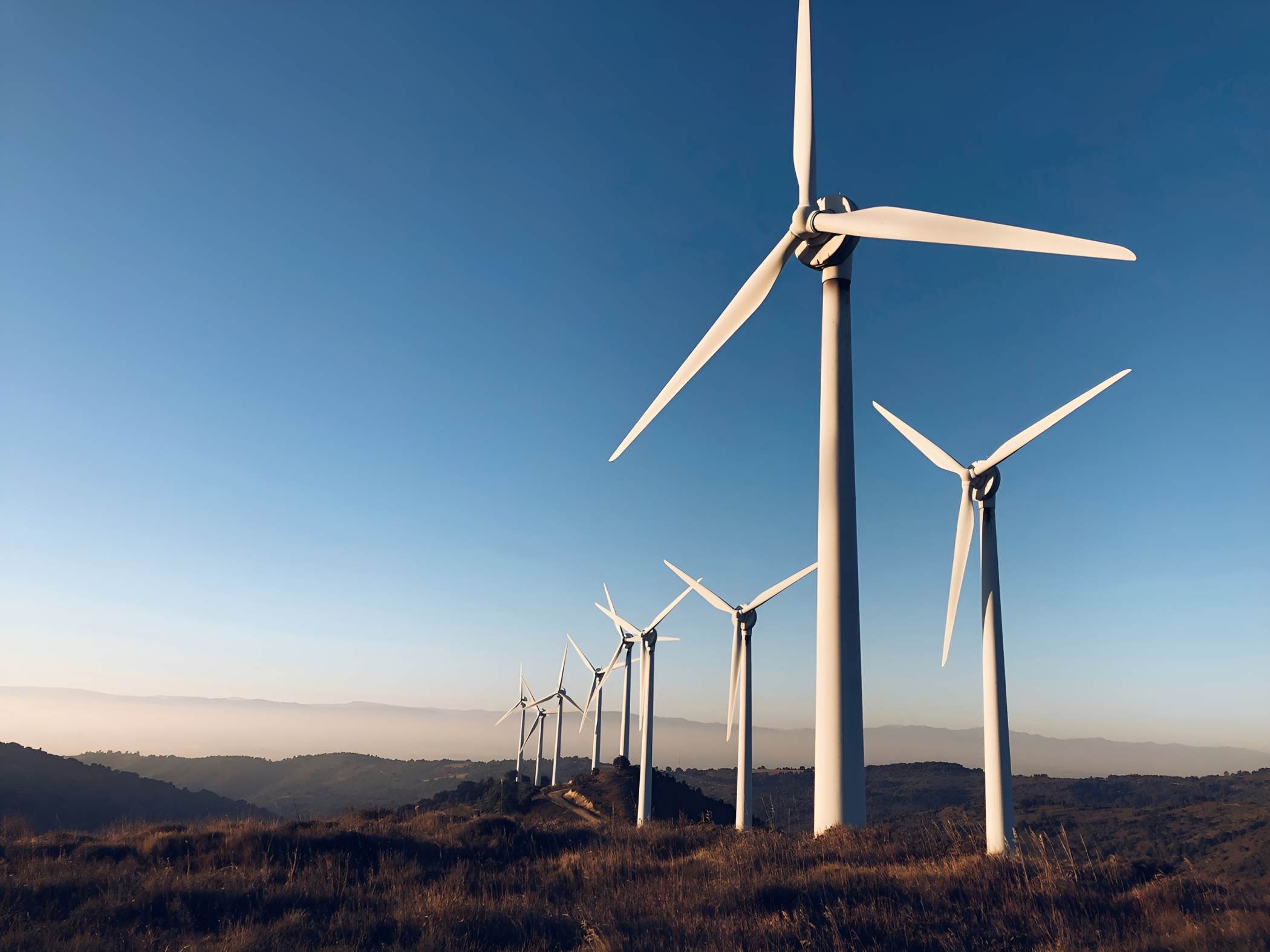
Kenya has solidified its role as the region’s energy leader, surpassing Tanzania, Uganda, Rwanda, Zanzibar, and the Democratic Republic of Congo (DRC) in both electricity demand and renewable energy output.
This underscores the country’s growing influence in East Africa’s energy landscape and its commitment to clean power.
The latest Energy and Petroleum Statistics Report by the Energy and Petroleum Regulatory Authority (EPRA) shows that Kenya’s electricity peak demand reached 2,316 megawatts (MW) in 2025, up from 2,177 MW in 2024.
This is higher than Tanzania’s 1,944 MW, Uganda’s 1,176 MW, Rwanda’s 262 MW, Zanzibar’s 131 MW, and the DRC’s 2,174 MW.
Kenya’s total installed capacity stood at 3,192 MW, ranking third in the region after the DRC (3,238.9 MW) and Tanzania (3,091.7 MW). Despite this, Kenya led in renewable energy, with geothermal power contributing 940 MW — the full geothermal output for the region.
“Kenya has continued to strengthen its position as a continental leader in green energy, with renewable sources accounting for 80.17 per cent of the electricity mix in the year under review. This remarkable energy mix underscores our commitment to sustainability and resilience in the sector,” the report states.
Within the East African Community (EAC), renewable energy represents 81 per cent of installed capacity, mostly from hydropower at 65.15 per cent. Kenya stands out for its diverse renewable portfolio, efficiently combining geothermal, wind, solar, and hydro power to meet rising demand.
Strong regulatory framework
EPRA highlighted that Kenya ranks first in East Africa and third in Africa on the Electricity Regulatory Index (ERI). This performance reflects effective regulation, active stakeholder engagement, and ongoing reforms in the electricity market.
Data from the Kenya National Bureau of Statistics (KNBS) and the World Bank support Kenya’s dual leadership in energy and economic growth. The country’s GDP is projected at $124.5 billion in 2024, up from $108.4 billion in 2023, maintaining its position as the largest economy in the EAC.
“All countries in the EAC region registered growth in peak demand except DRC and Burundi,” EPRA notes, highlighting the link between electricity use and economic expansion.
Tanzania follows with a GDP of $79.06 billion, Uganda $67.01 billion, Rwanda $14.33 billion, and Burundi $2.63 billion. Despite abundant resources, the DRC experienced a slight drop in power demand and slowed GDP growth to 4.7 per cent, reflecting challenges in industrial and energy development.
Driving growth through energy access
Kenya’s increase in electricity consumption aligns with its industrialisation, infrastructure projects, and expanded household connections. Investments in renewable sources, including geothermal, wind, and solar, have been crucial in supporting economic activity in both urban and rural areas.
EPRA projects that rising energy demand will attract more investment in generation, transmission, and distribution networks. Kenya’s consistent policies, innovation, and diversified energy mix continue to make it a model for sustainable energy development in the region.
“Kenya’s energy and economic trajectory reflects the growing interdependence between power consumption and GDP growth in East Africa,” the report concludes.































Comments
Sign in with Google to comment, reply, and like comments.
Continue with Google