Economist questions Kenya’s Sh2.2 trillion stake in Dangote refinery
The economist also raised concerns over the speed of the investment process and the absence, in his view, of sufficient public information on the project's economic projections
EPRA attributed the high level of consumption to the region's large population and concentration of industrial activity
The rise in demand came as Kenya continued to widen access to electricity while increasing investment in renewable power. According to the International Energy Agency, electricity access in Kenya grew from 37 per cent in 2013 to 79 per cent in 2023, with the country aiming to achieve universal access by 2030.
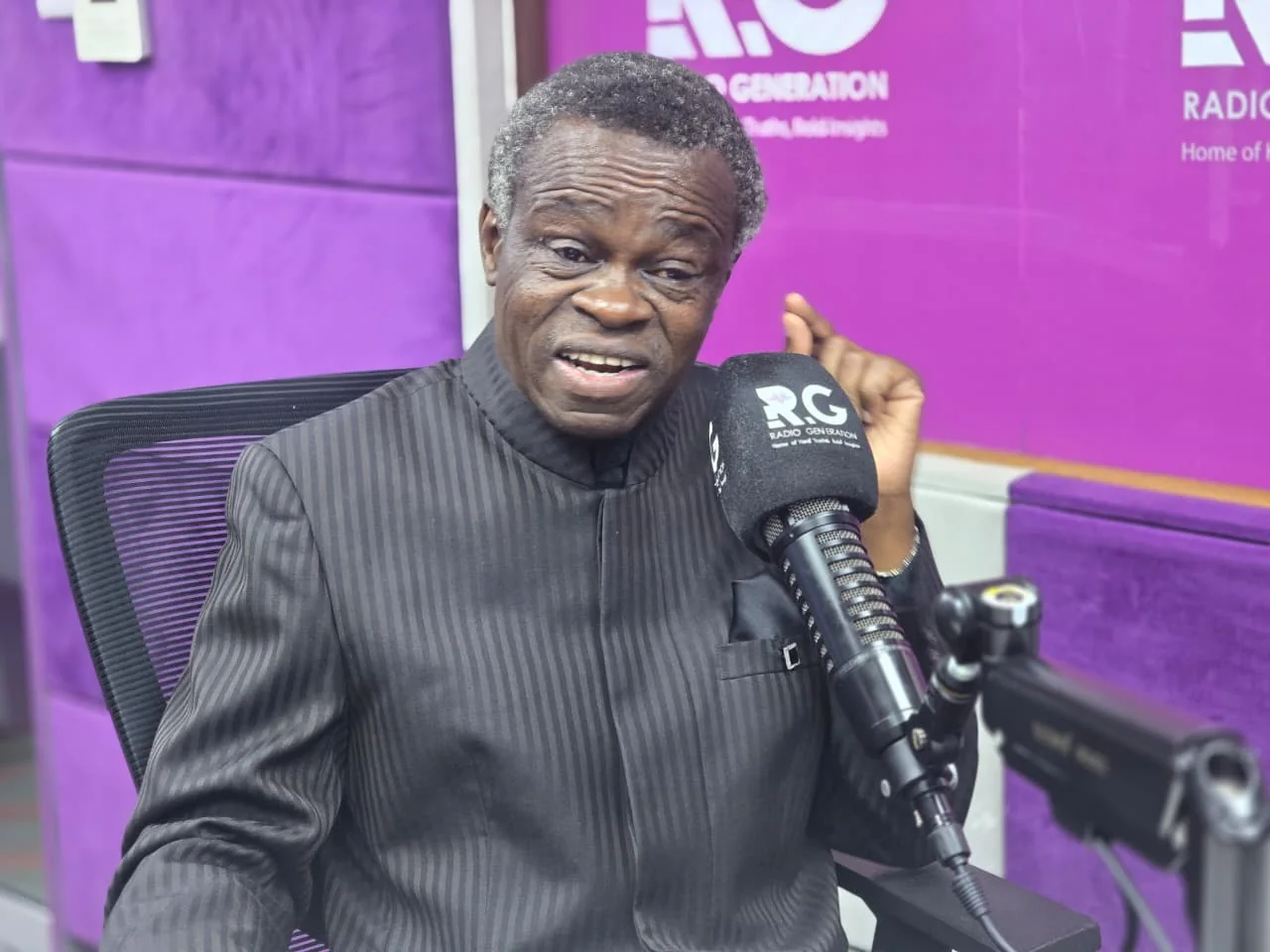
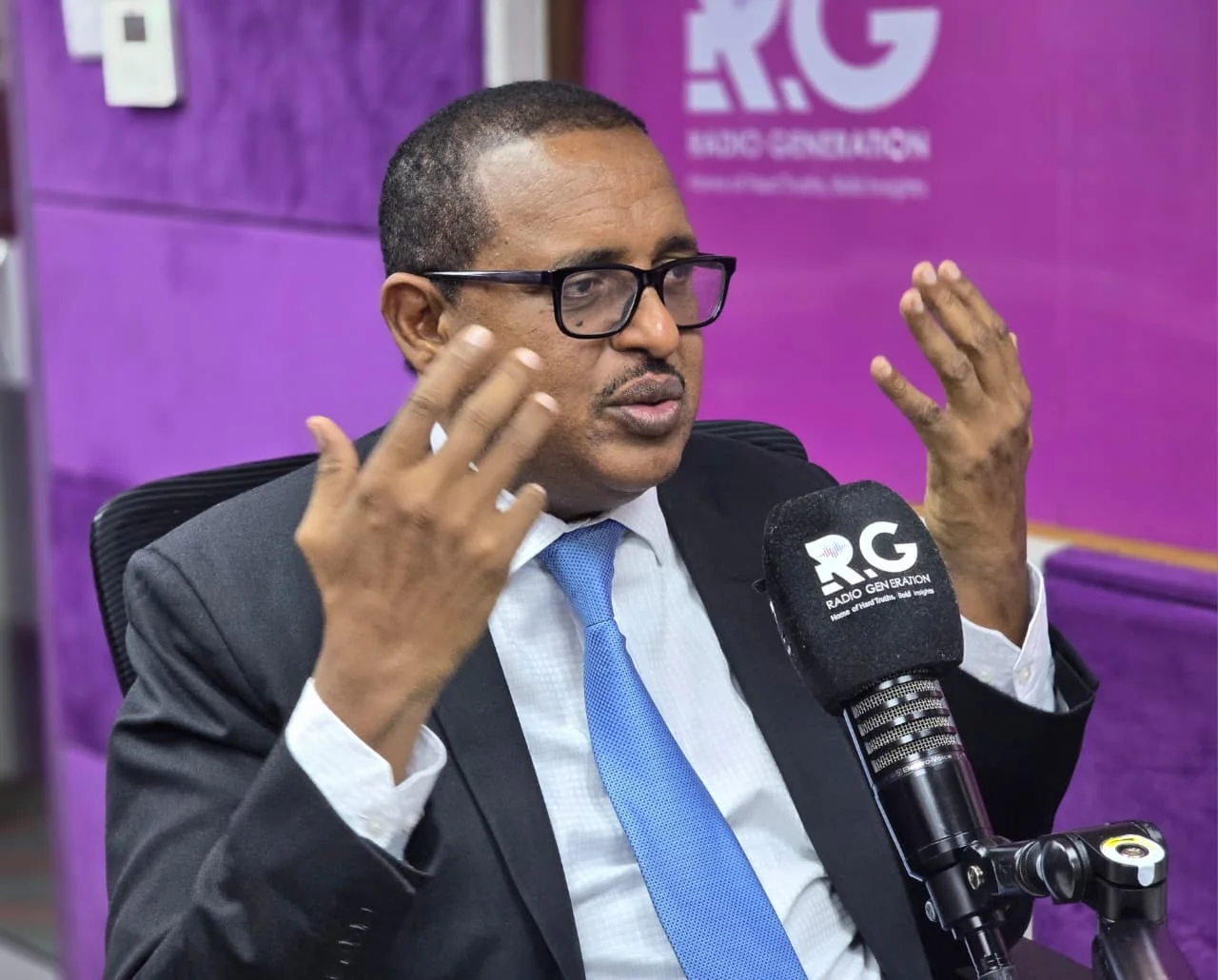
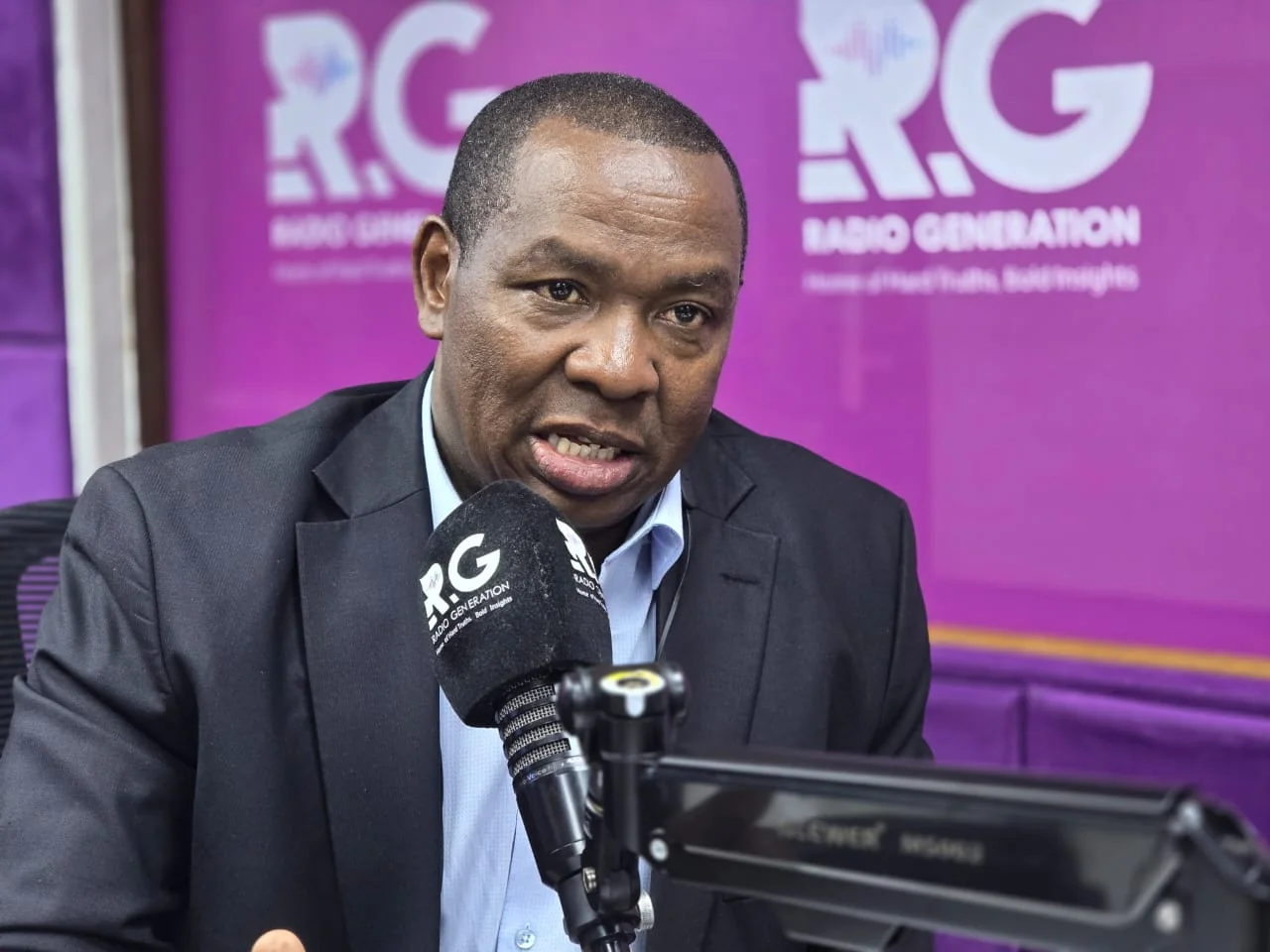
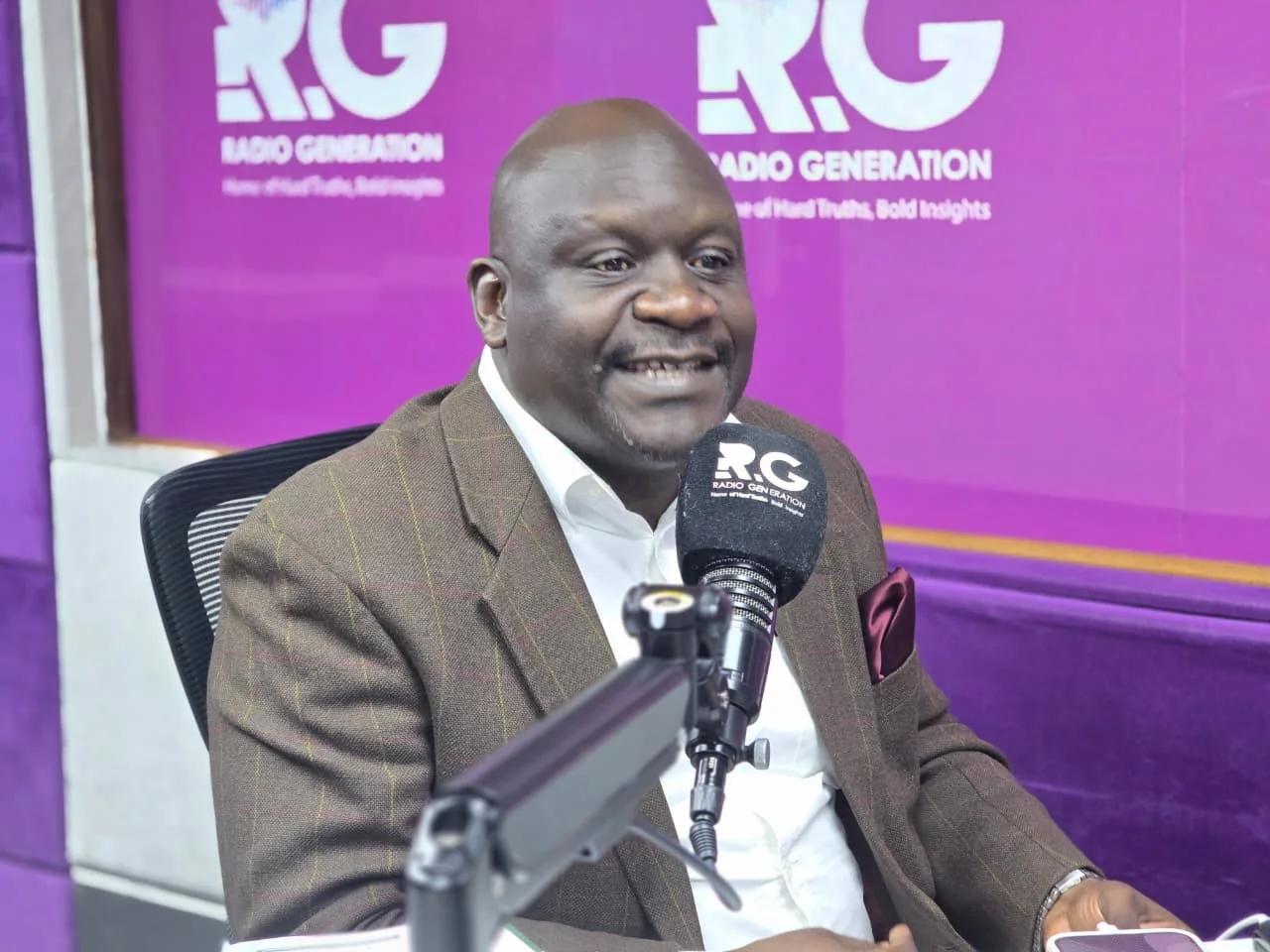
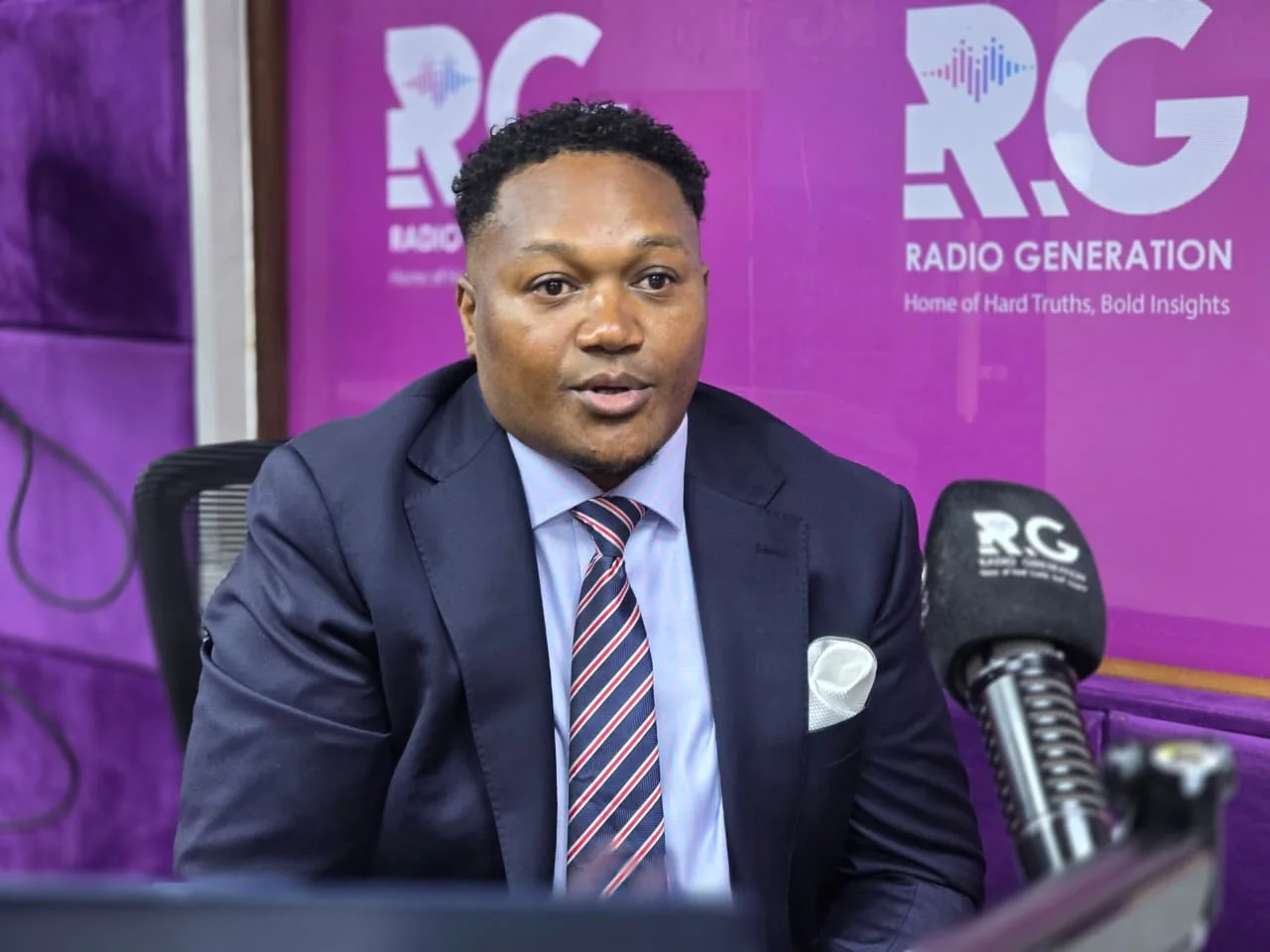
Speaking on Radio Generation on Monday, the Advocate said Kenyans have developed a “tacit understanding” of corruption, criticising it publicly while accepting it in practice.
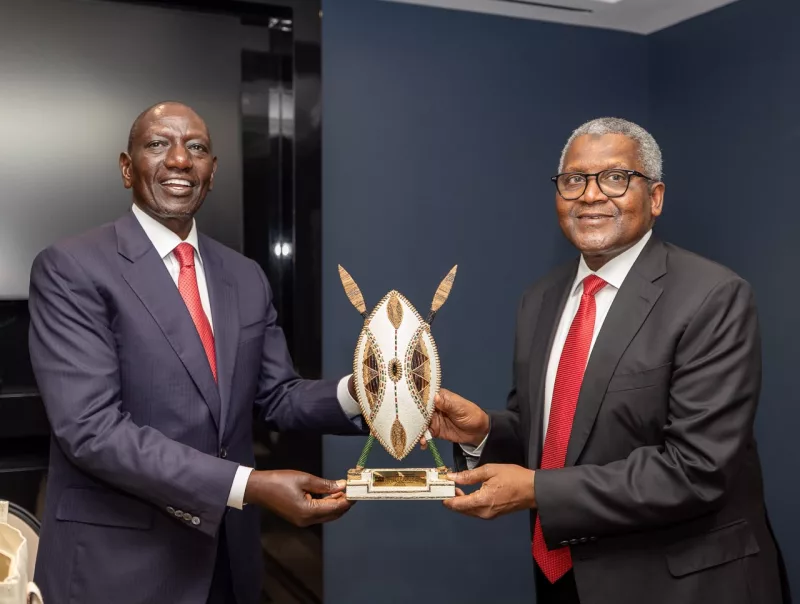
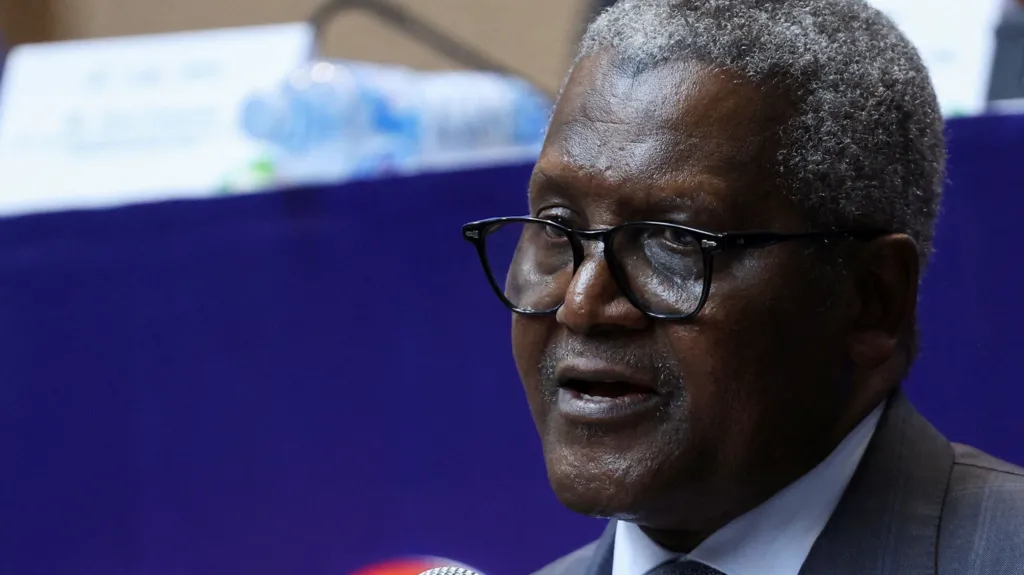
According to Dangote, the electricity project will be a major part of the Kenyan investment, with the plant expected to generate about 1,000MW from petroleum coke, also known as petcoke.
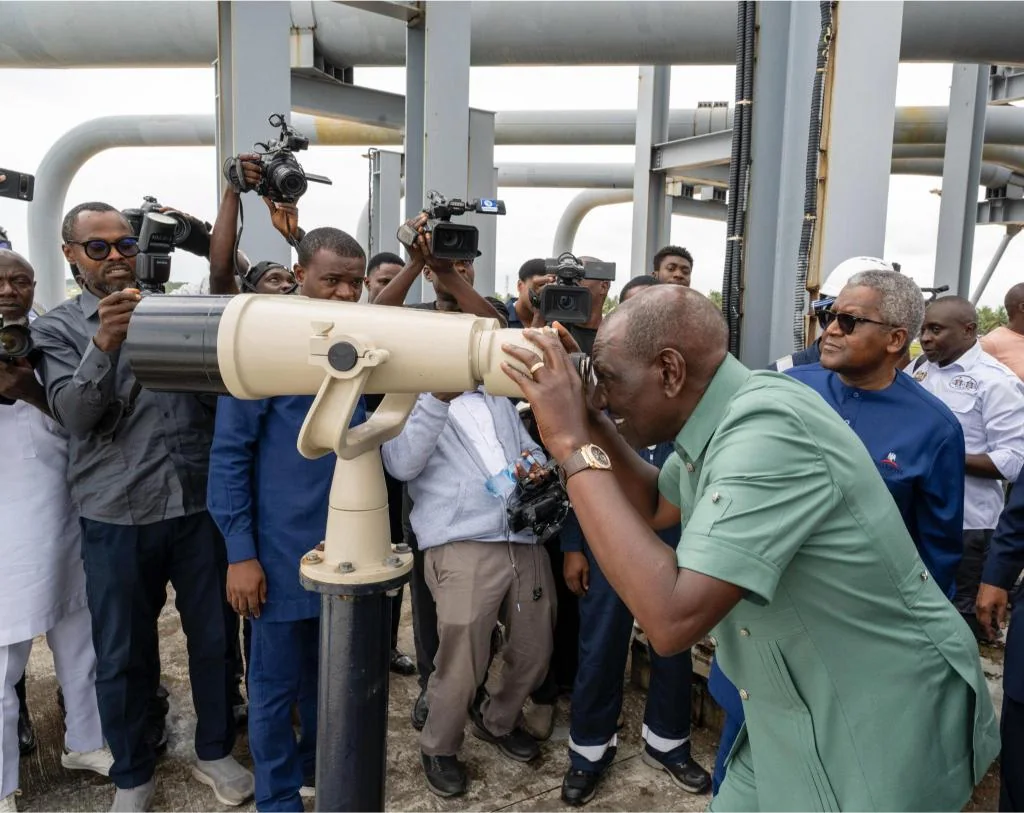
During the tour, Ruto pointed to the scale of the Nigerian facility, which has the capacity to refine 700,000 barrels of crude oil every day.
In a statement on Sunday, Wandayi said the arrangement, signed in March 2023 with Saudi Aramco, Abu Dhabi National Oil Company (ADNOC) and Emirates National Oil Company (ENOC), was designed to ease pressure on foreign-exchange reserves by allowing suppliers to provide fuel on 180-day credit terms.
In his UN General Assembly address, the President will champion an Africa-financing-Africa approach.
The association wants authorities to provide details of all intermediaries involved in the G-to-G arrangement, including the commissions they received, contracts entered into and the people or entities that benefited from the system.
The DP said the move would help protect farmers from poor returns while strengthening the country's food reserves, with rice from Mwea and other producing areas expected to be bought before foreign supplies are allowed into the market.
Mohamed, a former CEO of the Frontier Counties Development Council (FCDC), said the region had historically been excluded from meaningful development, affecting access to roads, electricity, water, healthcare and education
The month-long offer has already attracted interest from members of the public, with some investors using their savings to buy a stake in the facility.
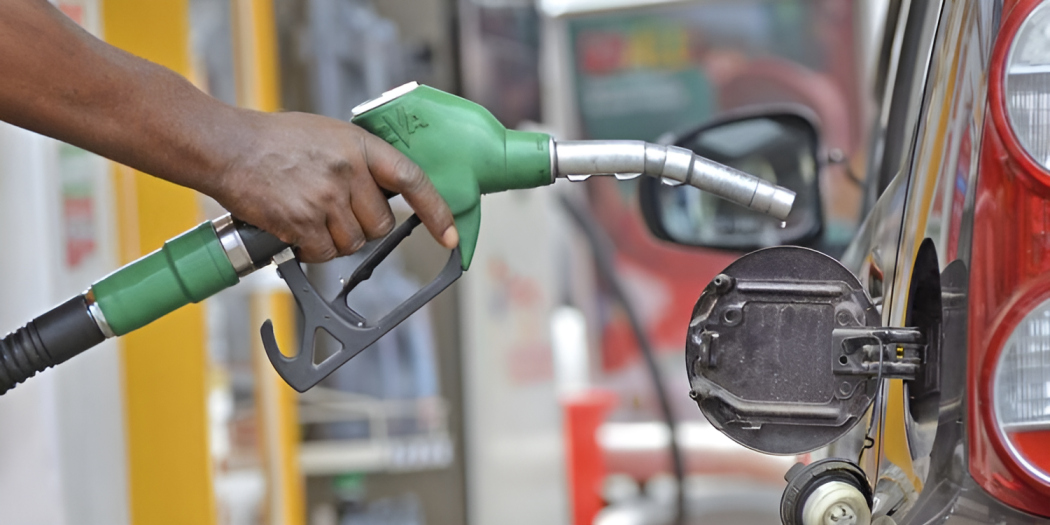
In Nairobi, a litre of Super Petrol will continue to retail at Sh214.03 cents, while Diesel will remain at Sh217.86 cents per litre.
Mworia was first appointed to the Fund’s inaugural board in July on a three-year term, kickstarting the process that has now culminated in his appointment to lead the establishment of NIF.
Muriithi said counties should move beyond administering public funds and deliberately use their constitutional responsibilities to build productive local economies, expand businesses and improve household incomes
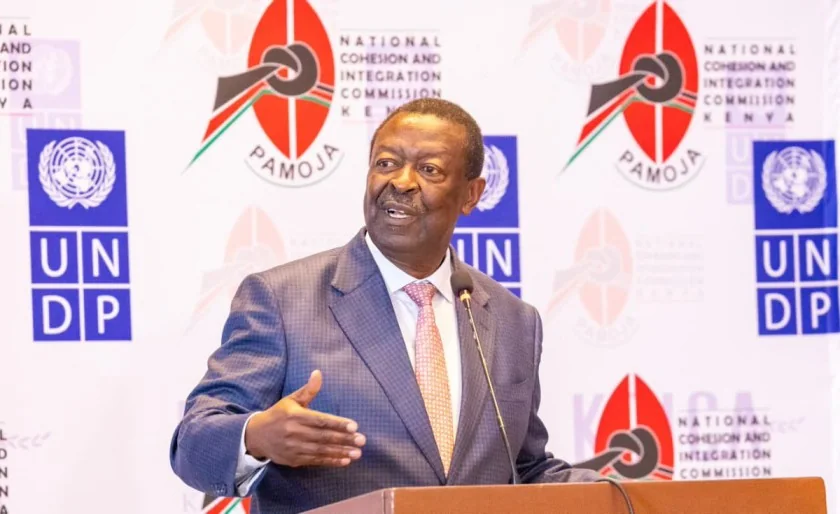
Mudavadi said the strategy goes beyond science and environmental conservation, describing it as an economic and industrial plan that supports the Government’s Bottom-Up Economic Transformation Agenda (BETA).
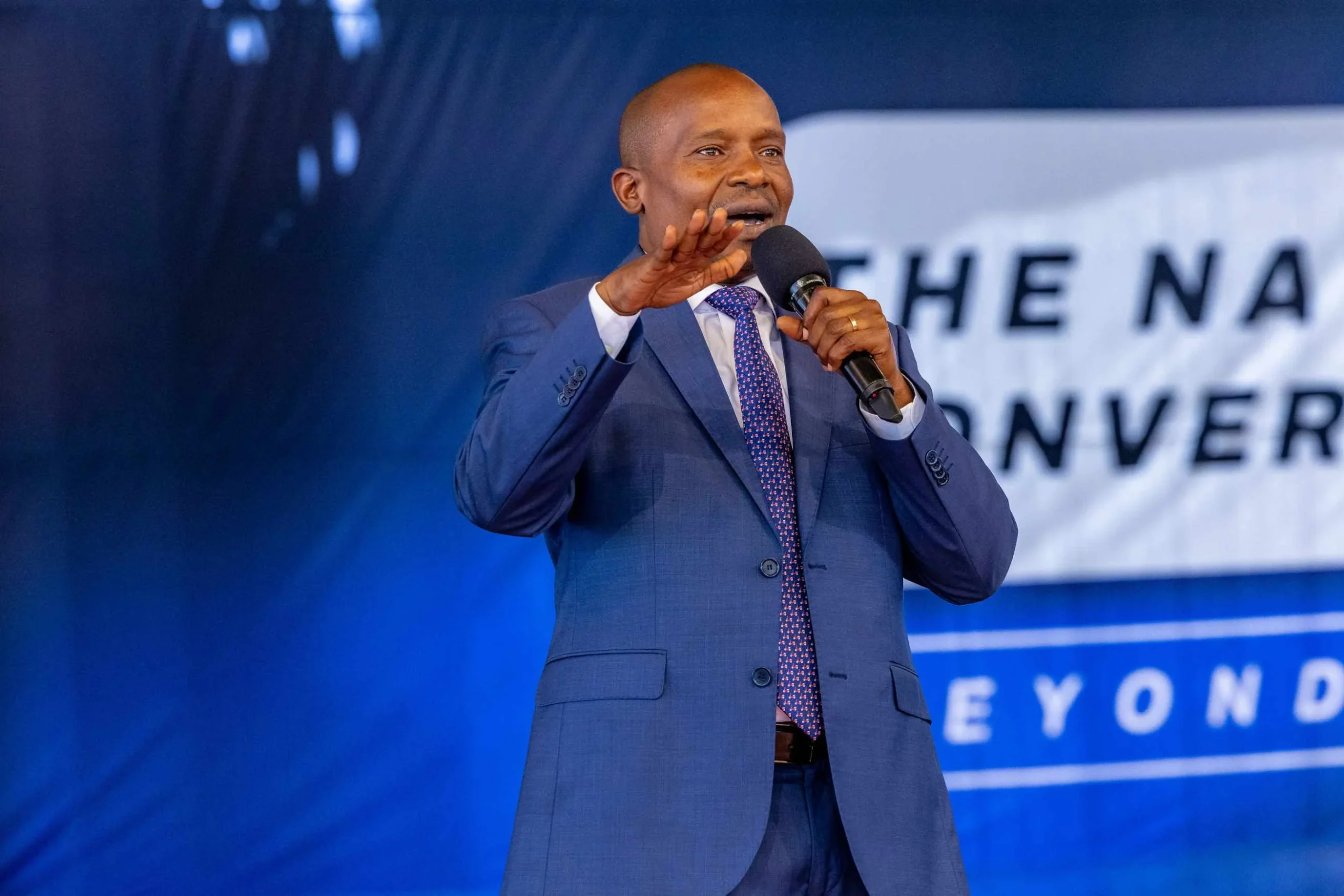
Speaking during the launch of the National Beyond 2030 Conversation on Wednesday, Kindiki said Kenya must build on the foundation already laid instead of abandoning programmes whenever there is a change of government.
Appearing before the committee chaired by Siaya Senator Oburu Oginga on Thursday, NuPEA Chief Executive Officer Justus Wabuyabo said Lenya Village had been identified as the preferred site for Kenya's first nuclear power plant following extensive regional assessments and screening of potential locations.
DP Kindiki said Kenya was working closely with East African Community (EAC) partner states to agree on the most suitable location for the refinery while undertaking the legal, regulatory and administrative preparations necessary for its implementation.
Bisau noted that the Strait of Hormuz, despite being only about 33 kilometres wide, is one of the world's most strategic maritime corridors because it carries close to 20 percent of global fuel supplies
Speaking on Tuesday, Wandayi said Kenya's government-to-government (G2G) fuel import arrangement had shielded the country from supply disruptions and rising freight costs triggered by escalating military tensions around the Strait of Hormuz, one of the world's busiest oil shipping routes.
The audit covers 13 financial years, from 2010/11 to 2022/23. It shows that the wayleave compensation programme was set at Sh17.02 billion, with Sh4.03 billion still outstanding.
The Deputy President further noted that long-standing barriers in access to national documentation had been removed, saying this had restored dignity to residents who had previously felt excluded.
Appearing before the committee on Wednesday, the CS said the energy sector must urgently modernise its systems to respond to increasing climate threats such as floods, droughts, heatwaves, storms, wildfires and extreme winds.
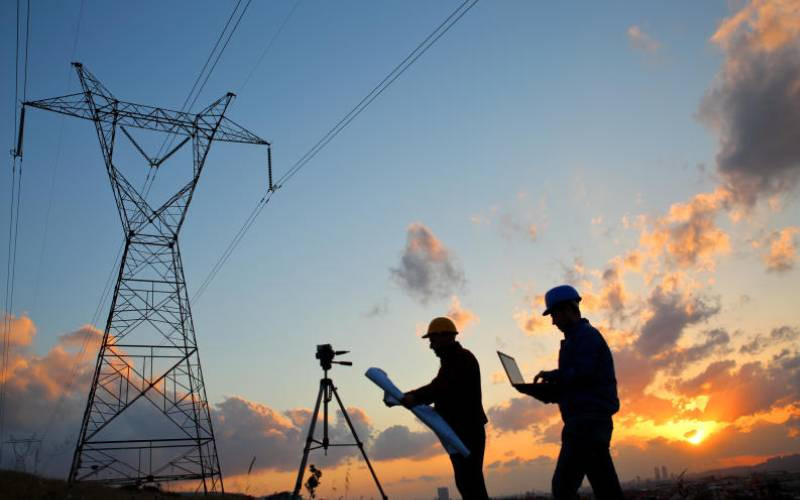
Kenya has experienced frequent power disruptions, particularly in the western counties, due to an ageing and overloaded transmission system. Voltage fluctuations and network congestion have been a recurring problem, often leaving residents and businesses without electricity during peak demand.
In a Cabinet dispatch released on Monday, December 1, the government said the policy responds to challenges that have for years slowed energy development. These include low access to electricity, heavy dependence on traditional biomass, unreliable power supply, limited private investment and rising climate-related risks that threaten energy infrastructure.
While agreements with international technology firms like Microsoft and UAE-based artificial intelligence company G42 were already signed, the nation currently lacks the capacity to operate these massive facilities.
The announcement came after a high-level summit in London hosted by UK Prime Minister Keir Starmer, who declared, “We’re choking off funding for Russia’s war machine.”
Kenya’s total installed capacity stood at 3,192 MW, ranking third in the region after the DRC (3,238.9 MW) and Tanzania (3,091.7 MW). Despite this, Kenya led in renewable energy, with geothermal power contributing 940 MW, the full geothermal output for the region.
Kenya Power has not entered into fresh agreements with power producers since 2018 when lawmakers imposed the moratorium to pave way for an audit of contracts where producers were accused of inflating charges, locking consumers out of affordable energy.