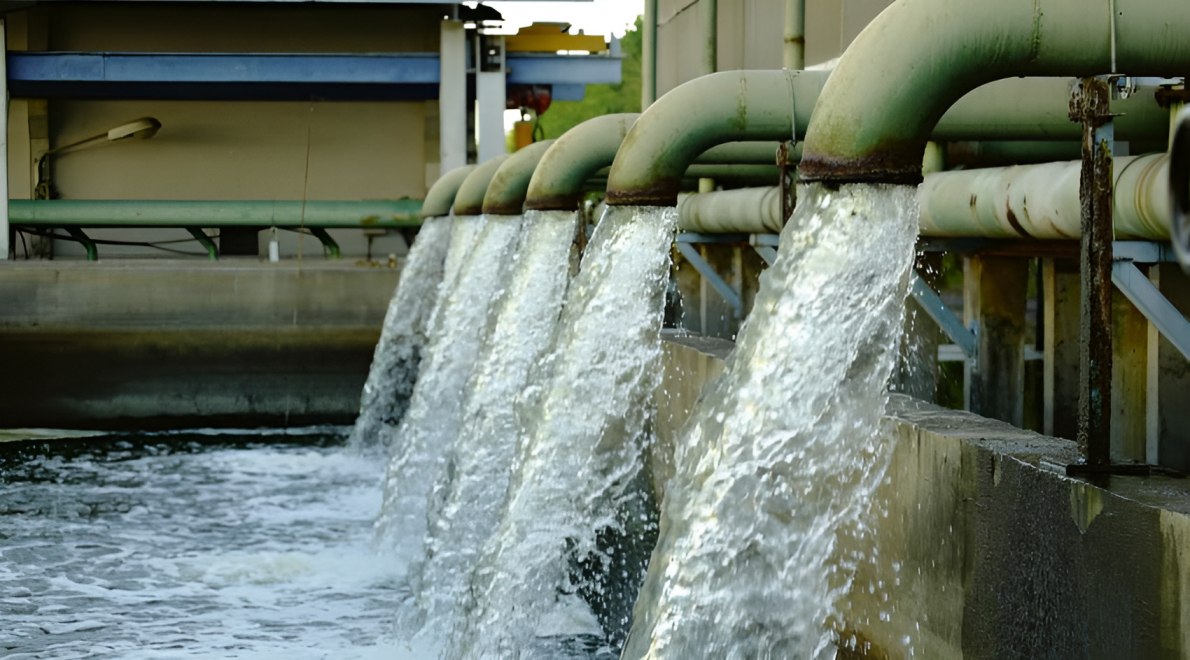
Nairobi residents are set to experience a major shift in how their water use is tracked and billed after the city water provider unveiled a multibillion-shilling plan to digitise its entire metering system.
The Nairobi City Water and Sewerage Company will deploy thousands of smart meters in a move aimed at sealing revenue gaps, strengthening oversight of supply and improving accountability across the network.
The proposal was published in the Kenya Gazette on February 27 and cleared by the Water Service Board for the 2025/2026 to 2028/2029 tariff cycle, with the Sh2.57 billion cost to be financed through the newly approved tariff framework.
At the centre of the upgrade is the adoption of ultrasonic metering technology.
Unlike older mechanical devices that depend on spinning components to record usage, the new meters rely on sound pulses sent through flowing water.
By measuring the time it takes for signals to travel, the system calculates consumption with higher precision, particularly where flow is minimal, while reducing breakdowns linked to moving parts.
The devices will not operate in isolation. Each meter will transmit usage details instantly through Global System for Mobile Communications, Long Range Wide Area Network or Narrowband IoT to a central monitoring hub.
The data will feed into a digital platform capable of identifying unusual pressure patterns, locating possible leak points and guiding maintenance teams before faults escalate.
Through these measures, the utility aims to bring down non-revenue water from the current 54 per cent to 39 per cent by the 2028/2029 financial year.
To tighten oversight further, inline ultrasonic meters will be mounted on major bulk and distribution pipelines to record volumes flowing across the system.
Water treatment plants and storage reservoirs will also be fitted with smart meters to track output entering the grid, allowing closer comparison between produced and billed supply.
The modernisation programme includes an artificial intelligence-driven leak detection component valued at Sh120 million. This phase is planned for rollout during the 2027/2028 and 2028/2029 financial years.
Installation of the smart meters will begin with high-usage consumers taking more than 100 cubic metres per month before expanding to other customer segments.
In addition, the company will introduce a prepaid billing option enabling customers to load credit in advance, similar to electricity tokens.
Once purchased units are exhausted, supply will automatically halt until more credit is added.
The initiative also covers the replacement of tens of thousands of old or defective customer meters and the installation of prepaid water dispensers in selected locations, forming part of a wider effort to modernise Nairobi’s water infrastructure and tighten control over losses