MPs seek Sh284 billion boost to address education shortfalls
Secondary schools also require extra funding. Senior secondary schools need Sh78.4 billion to fund 3.5 million learners at Sh22,244 per student, yet Sh54.8 billion has been set aside, leaving a shortfall of Sh23.5 billion.
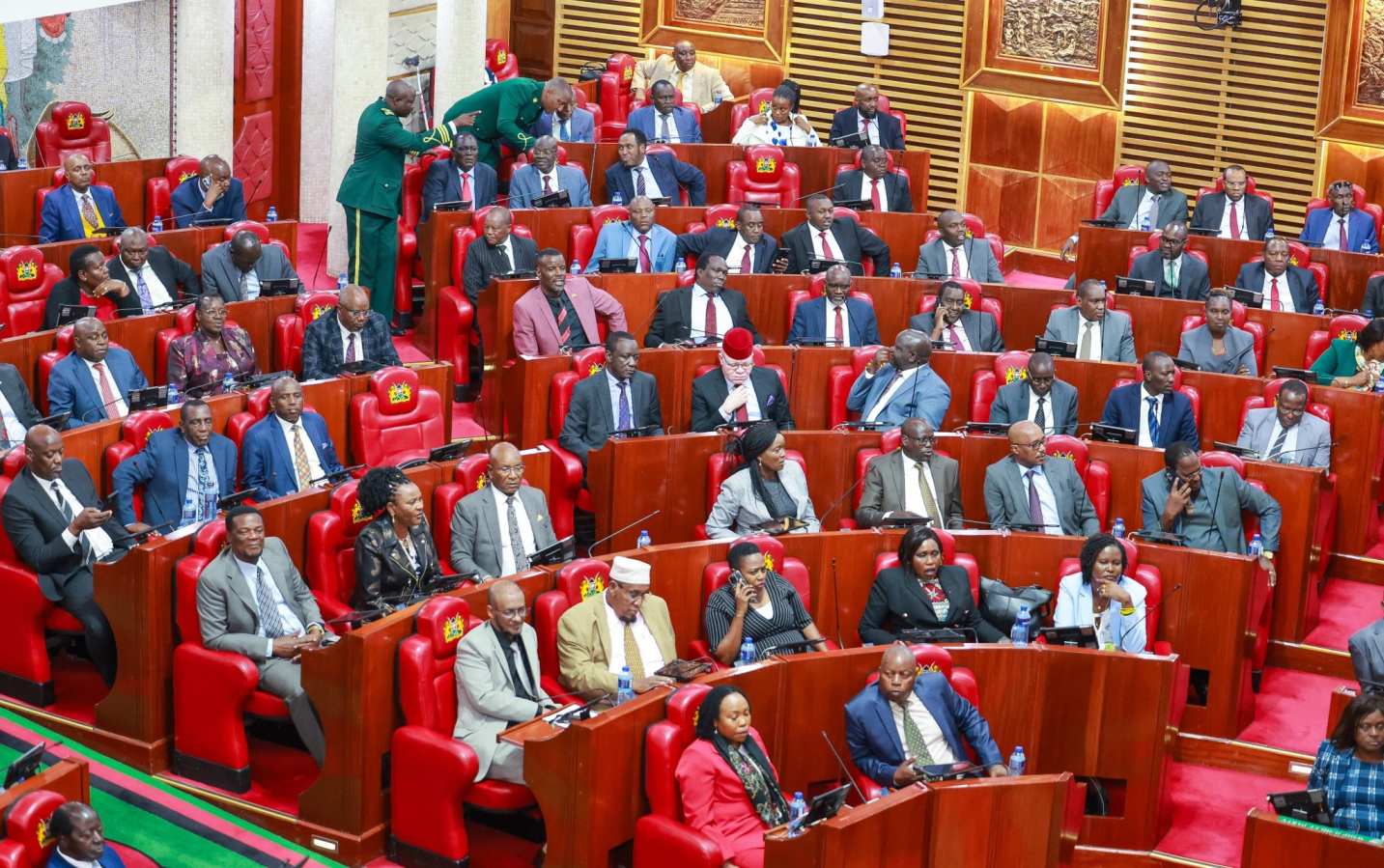
The National Assembly is calling for urgent additional funding for the education sector, warning that current budget allocations may leave millions of learners without essential support.
Members of the National Assembly’s Education Committee said without extra resources, schools and universities could face severe disruptions in services, scholarships, and infrastructure development.Secondary schools also require extra funding.
Senior secondary schools need Sh78.4 billion to fund 3.5 million learners at Sh22,244 per student, yet Sh54.8 billion has been set aside, leaving a shortfall of Sh23.5 billion.
In a detailed submission to the Budget and Appropriations Committee, the panel chaired by Tinderet MP Julius Melly said the 2026/27 Budget Policy Statement (BPS) falls short of meeting critical needs.
The committee highlighted risks to capitation for primary and secondary schools, student loans, scholarships, teachers’ welfare, and the implementation of Competency-Based Education reforms.
Primary schools face a gap of Sh8.6 billion in capitation.
With 6.4 million learners requiring Sh2,330 each, the total needed is Sh15 billion, but only Sh7 billion has been allocated.
“Without the additional allocation, 3.7 million learners will not receive capitation, or all learners are funded at Sh1,096 each,” the report says.
Secondary schools also require extra funding. Senior secondary schools need Sh78.4 billion to fund 3.5 million learners at Sh22,244 per student, yet Sh54.8 billion has been set aside, leaving a shortfall of Sh23.5 billion.
In junior secondary, funding 3.6 million learners at Sh15,042 each requires Sh54.7 billion, but only Sh30.9 billion is allocated, creating a gap of Sh23.8 billion.
“This funding gap implies that 1.6 million learners will not receive capitation, or all learners are funded at Sh8,536,” the committee noted.
The school meals programme is underfunded by Sh850 million for 2.8 million needy students, while exams and invigilation require Sh4.8 billion more, with only Sh9.9 billion provided out of the Sh14.7 billion needed.
School infrastructure is also affected, with Sh1.5 billion needed to reach the Sh2.8 billion requirement.
Universities and TVET institutions face funding shortages too. The committee recommended an extra Sh29.4 billion for scholarships and Sh67 billion for student loans.
“These critical resource gaps in the sector need to be addressed to ensure that what the BPS 2026 envisages in terms of scaling up investment in people through education, skills development, scientific training and innovation is realised,” the report says.
To prevent strikes that disrupt learning, the panel requested Sh1.1 billion for Collective Bargaining Agreements for university staff.
It also proposed Sh85 billion to clear pending bills in public universities and Sh46 billion for government-sponsored students previously admitted to private institutions.
TVET scholarships would require Sh22 billion, while teachers’ welfare programs would need Sh10 billion for medical cover under the Social Health Authority and Sh5.3 billion from the Teachers Service Commission for group life, personal accident, and Work Injury Benefits Act obligations.
“The committee recommends that the expenditure ceilings for the State Departments and the Teachers Service Commission be increased to accommodate the above critical areas, which are not adequately funded in 2026/27 BPS,” the report added.
The panel stressed that these measures are essential for implementing the Competency-Based Education reforms effectively.
The 2026/27 BPS proposes a total education sector ceiling of Sh767 billion, including Sh737 billion for recurrent expenditure and Sh30 billion for development, up nine per cent from the Sh703 billion baseline in 2025.
MPs insist that without additional funding, critical programmes could stall, leaving students and teachers under-resourced.


Comments
Sign in with Google to comment, reply, and like comments.
Continue with Google