TSC warns teacher-college conversion could deepen shortages under CBE
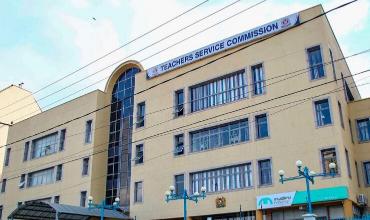
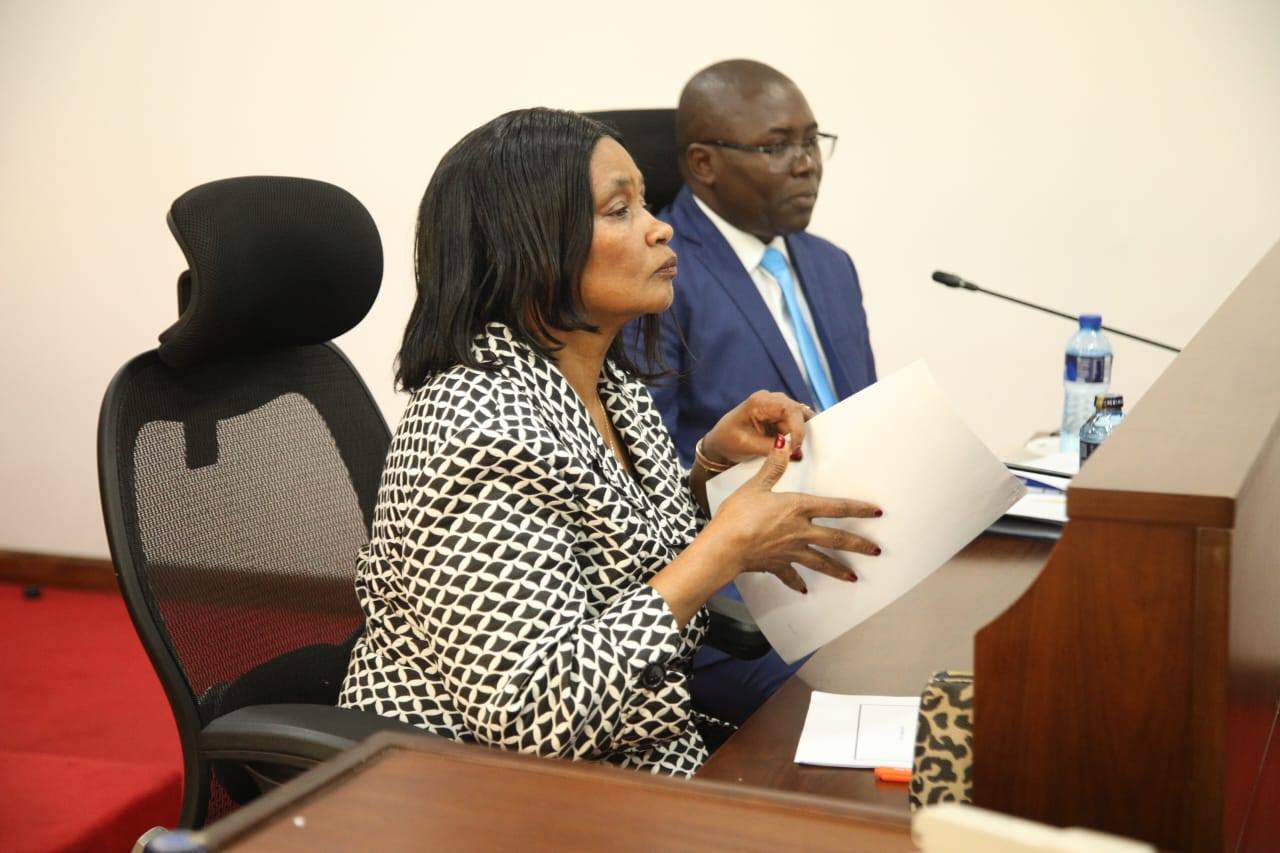
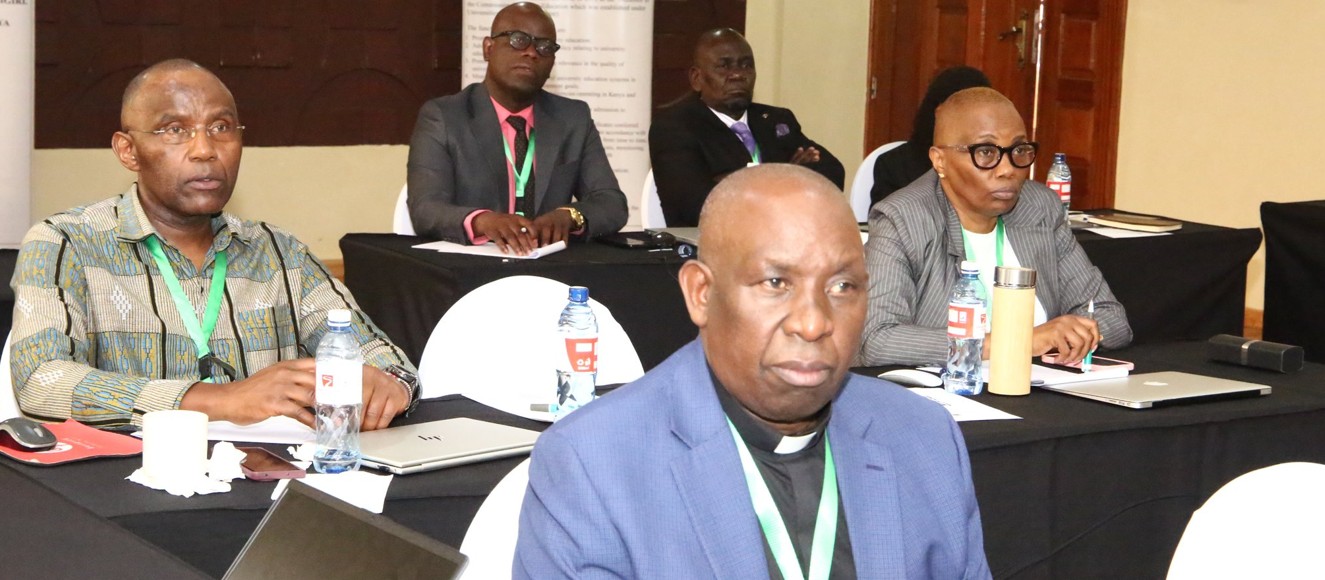
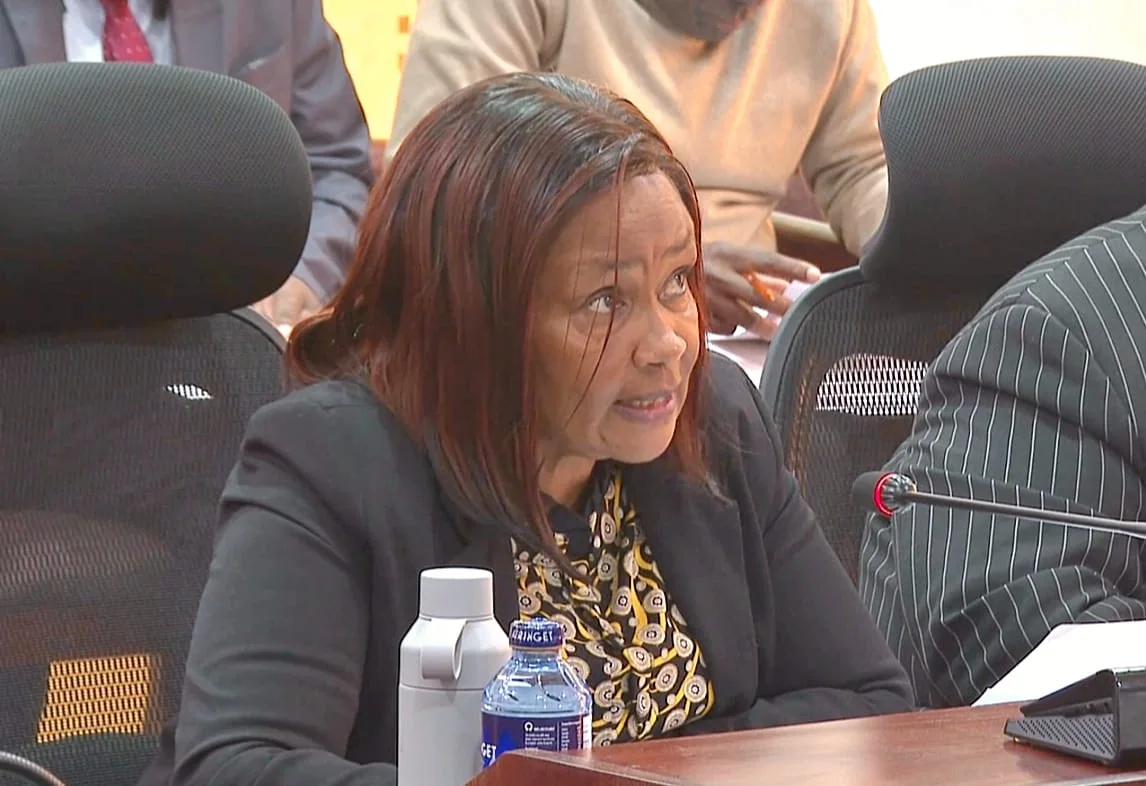
The TSC has opposed plans to repurpose three teacher training colleges, warning that Kenya could lack teachers for new Competency-Based Education learning areas and STEM subjects.
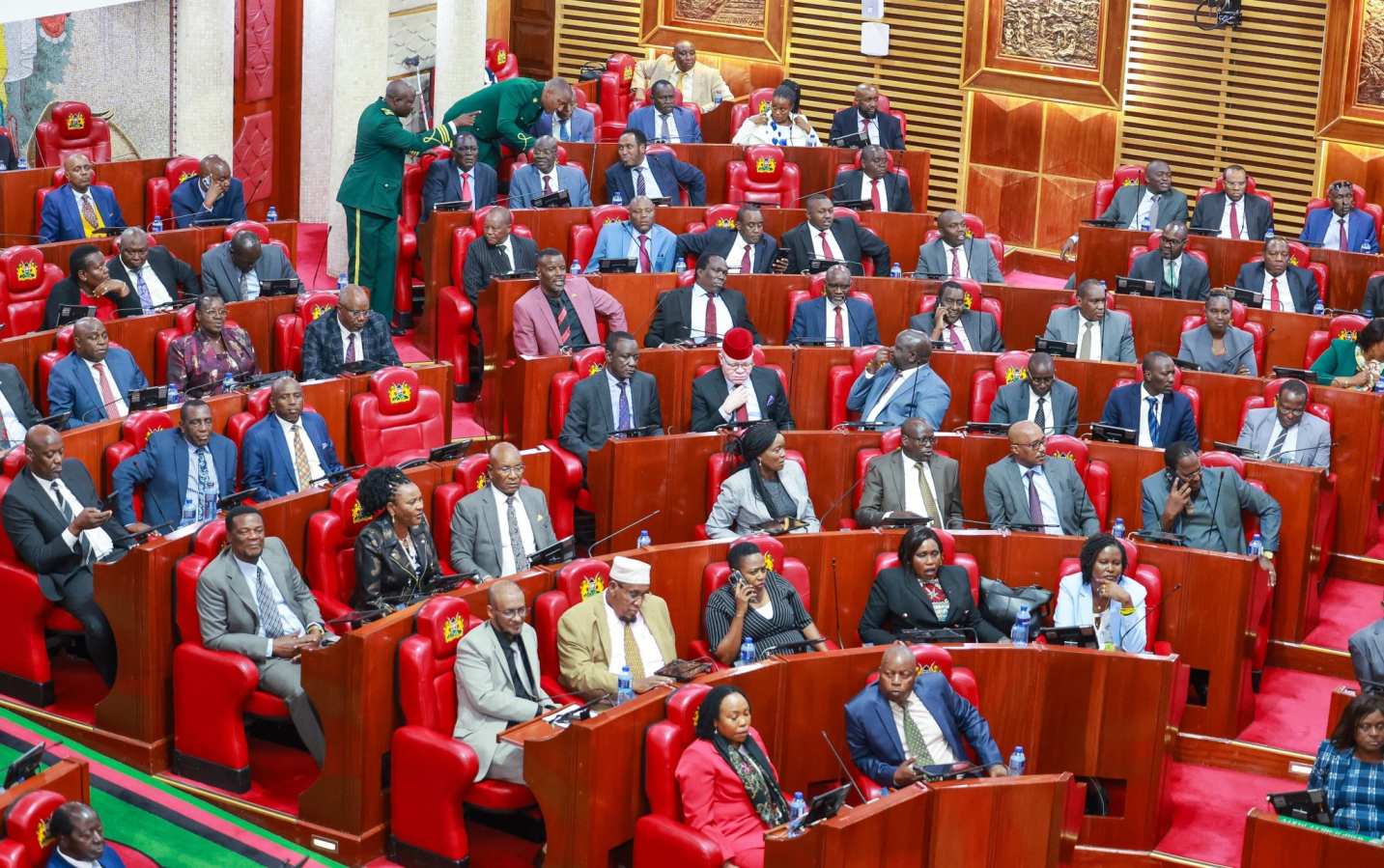
The six Bills are the Tertiary Education, Placement and Funding Bill, 2026; Basic Education Bill, 2026; Kenya National Educational Assessments Council Bill, 2026; Pre-Service Education and In-Service Training Bill, 2026; Kenya National Qualifications Framework (Amendment) Bill, 2026; and Kenya Institute of Curriculum Development (Amendment) Bill, 2026
Education Cabinet Secretary Julius Ogamba said closer cooperation between training institutions and industry was necessary if the country was to get better results from technical and vocational education.
The difference is even clearer when the number of streams is considered. Cluster 1 schools have an average of 8.1 streams per class, compared with 4.7 in Cluster 2, 2.7 in Cluster 3 and 1.8 in Cluster 4.
In a notice issued on Tuesday, August 18, the department said the assignment will support the Commission for University Education (CUE) in reviewing, validating and preparing the framework for implementation across universities.
The Kenya National Examinations Council, however, has been allocated only Sh9.9 billion in the current financial year, leaving it with a funding deficit of Sh6.71 billion.
Kenya National Union of Teachers (Knut) Deputy Secretary-General Hesbon Otieno said the ministry should have completed the exercise earlier to allow schools enough time to analyse learner assessment reports and guide them appropriately.
Homa Bay County Education Director Eunice Khaemba said schools were witnessing an increase in learners facing mental health challenges, adding that many of them come from homes where parents are also dealing with depression and anxiety.
The vacancies are for post-primary teachers who will be employed on permanent and pensionable terms to teach in junior schools. Interested candidates have until midnight on August 31, 2026, to submit their applications through the Commission's online recruitment portal.
Under the plan, all registered teachers will be expected to participate in ongoing professional training aimed at improving teaching methods and enhancing learner outcomes.
Under the plan, day secondary school learners would pay Sh7,675 per year. These learners are currently under the Free Day Secondary Education programme, but principals say the funding has steadily declined while operational costs continue to rise
The National Intelligence Service (NIS) saw its budget rise to Sh64.1 billion after review by Parliament, up from the Sh58 billion proposed by the National Treasury.
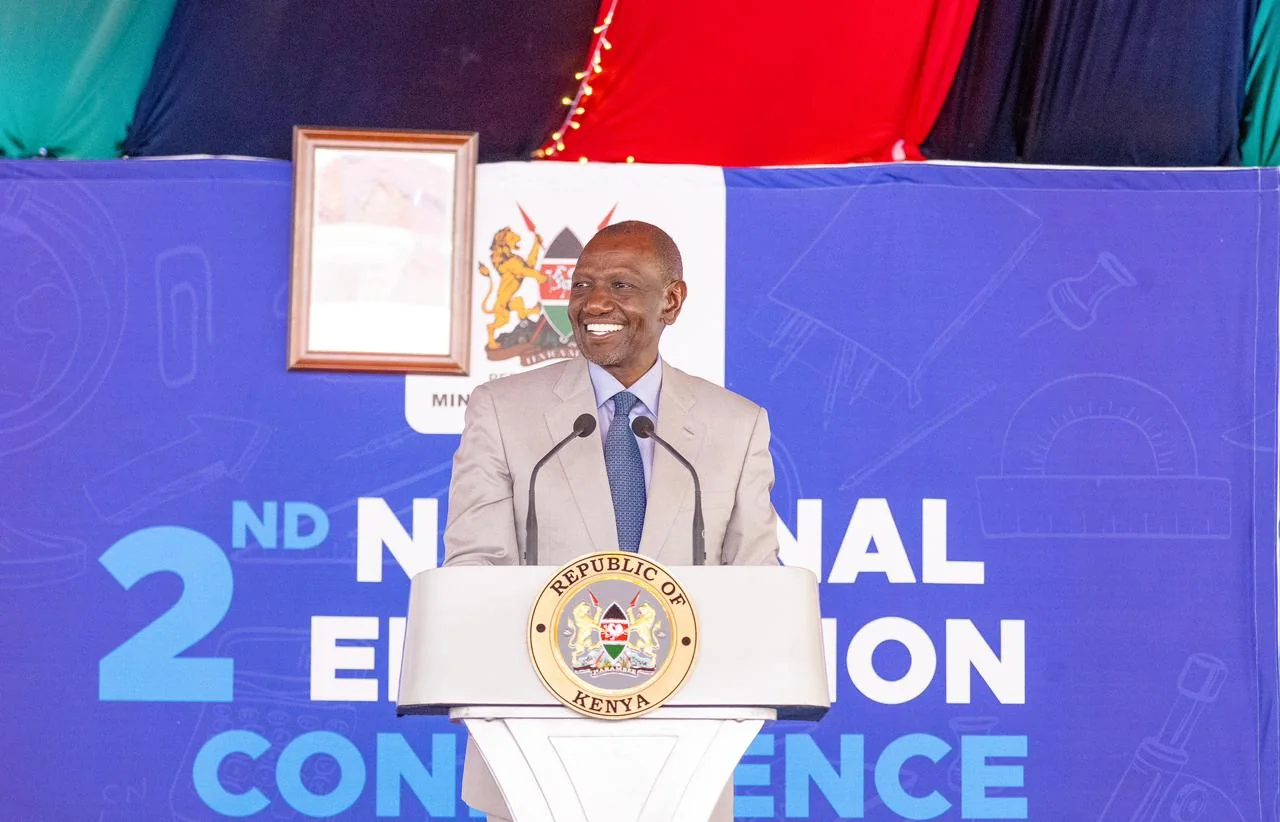
President William Ruto defended the government’s education infrastructure expansion at the National Education Conference in Naivasha, citing funding increases and the shift to Competency-Based Education, while announcing an audit that found ghost learners and schools.
It aims to educate stakeholders on the implementation of the Competency-Based Education (CBE) system.
Ruto said the government was determined to seal loopholes that had allowed misuse of education funds for years.
Figures from the 2025 National Assessment Insights show that the cohort that started Grade 3 in 2019 had 1.28 million learners. By the time they reached Grade 9 in 2025, the number had reduced to 1.13 million. This represents an 88.17 per cent retention rate, meaning 151,691 learners dropped out before completing junior school.
Ruto said the new royalty system will rely on a transparent digital platform that will make it easy to track how much money is collected and how it is shared among stakeholders in the creative value chain.
Under the revised approach, principals are now expected to take direct responsibility for supervising classroom instruction, supporting teachers in understanding the curriculum and ensuring that continuous assessment is effectively carried out.
TSC Acting Chief Executive Officer Evaleen Mitei said Kenya is going through a major shift in education and warned that the reforms cannot succeed through policy documents alone.
The ministry is now reviewing the placement results and plans to establish a technical team to examine the situation and recommend how schools with very low numbers should be managed if the trend continues.
Secondary schools also require extra funding. Senior secondary schools need Sh78.4 billion to fund 3.5 million learners at Sh22,244 per student, yet Sh54.8 billion has been set aside, leaving a shortfall of Sh23.5 billion.
The Commission for University Education (CUE) has cautioned that universities face major hurdles, including the need to retrain lecturers, redesign curricula, and secure adequate funding to make the transition successful.
Under the new fees breakdown for boarding schools, parents will pay Sh25,385 for boarding equipment and stores, Sh12,900 for other vote heads, Sh250 for activity fees, and Sh2,000 for maintenance and improvement. Tuition will be fully funded by the government.
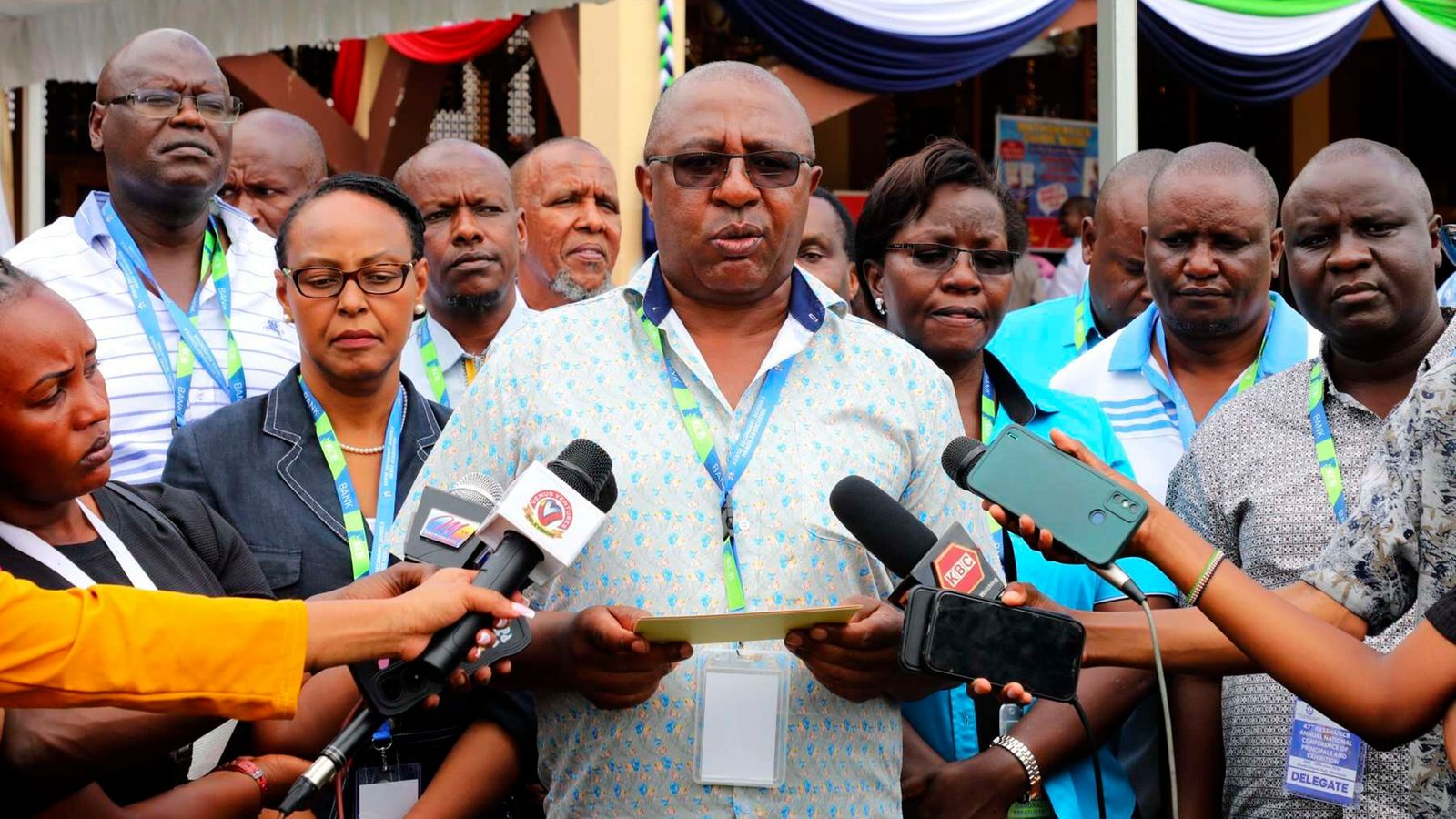
KECSHA reaffirmed its support for the ministry’s commitment to transparency, accountability, and integrity in implementing education reforms.