
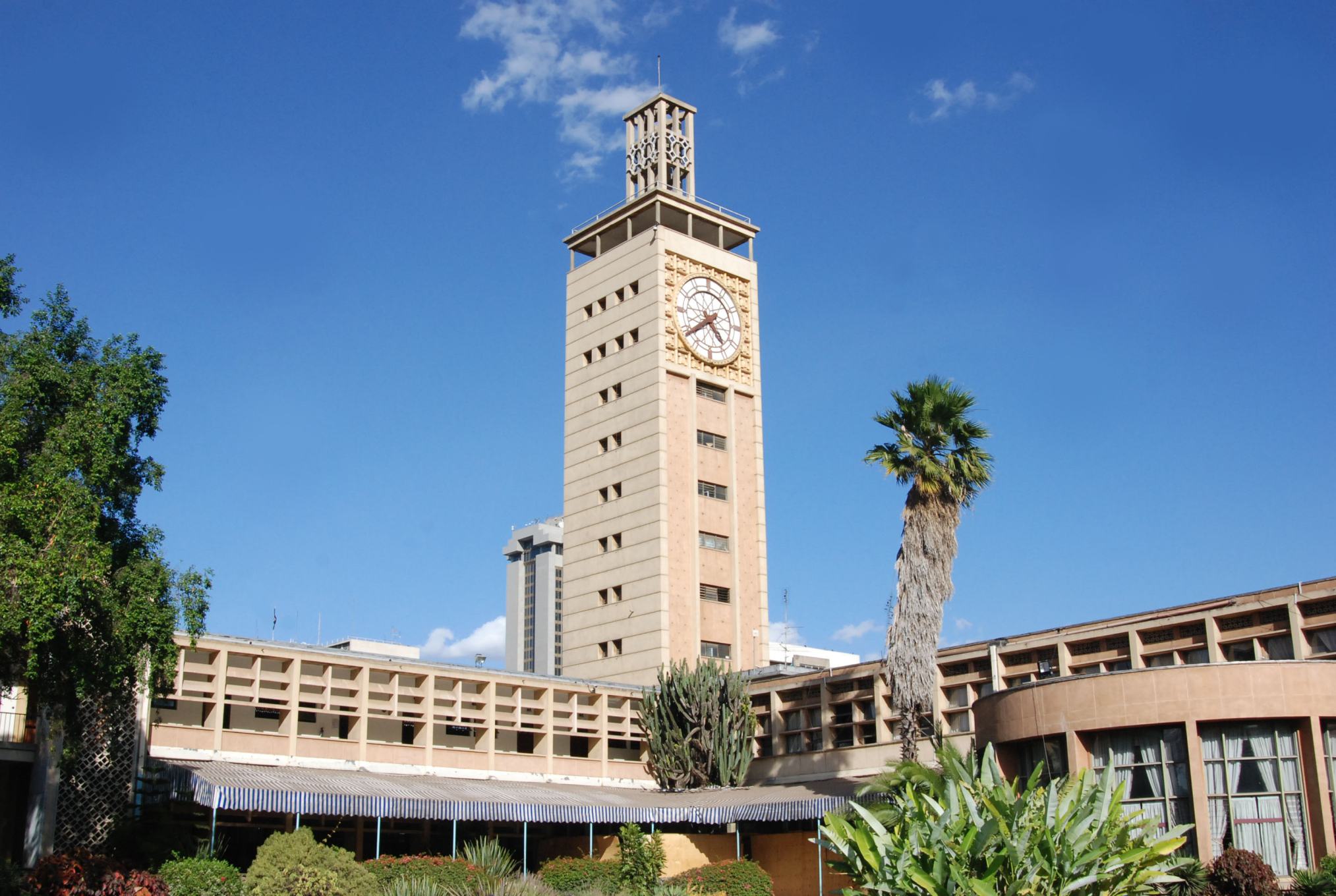
Parliament’s Departmental Committee on Education is holding public participation forums in four counties as it seeks views on six proposed laws that could significantly reshape Kenya’s education system.
Residents of Tana River, Uasin Gishu, Kilifi and Elgeyo-Marakwet are being invited to give their views on the proposed reforms on Monday, September 14, 2026.
The six Bills are the Tertiary Education, Placement and Funding Bill, 2026; Basic Education Bill, 2026; Kenya National Educational Assessments Council Bill, 2026; Pre-Service Education and In-Service Training Bill, 2026; Kenya National Qualifications Framework (Amendment) Bill, 2026; and Kenya Institute of Curriculum Development (Amendment) Bill, 2026. Parliament lists the proposals as National Assembly Bills Nos. 49 to 54 of 2026.
The Bills were introduced for First Reading on August 11 and referred to the relevant committees for consideration, putting them at an important stage before further debate and consideration by the House.
The proposed laws are part of wider education reforms linked to recommendations of the Presidential Working Party on Education Reform and the ongoing transition to Competency-Based Education. The package seeks to address institutional overlaps, improve governance and align financing, curriculum, teacher preparation, assessment and qualifications within a more coordinated framework.
The Tertiary Education, Placement and Funding Bill is expected to have a direct impact on university and TVET students. It proposes a Tertiary Education Funding Authority to consolidate key student-financing functions currently handled by bodies including the Higher Education Loans Board, Universities Fund and TVET Fund. It also seeks to establish a unified framework for student placement, loans and scholarships.
The proposed changes come as thousands of students await clarity on tertiary financing. The Education Ministry said 789,422 applications for government funding had been received by the initial August 31 deadline, while Sh22.12 billion had already been disbursed to continuing students. The application deadline was later extended to September 21.
The Basic Education Bill seeks to replace the existing Basic Education Act and provide a framework covering the administration, registration and governance of basic education institutions.
It also addresses access, quality assurance, special-needs education, school governance, education data and the right to free and compulsory basic education.
The Pre-Service Education and In-Service Training Bill seeks to overhaul teacher preparation and professional development.
Among its proposals is the establishment of a national teacher-training framework, with reforms intended to strengthen the link between teacher education, professional registration and the competency-based system.
The proposal could also affect Kenya’s 32 public teacher training colleges by placing them under a single national institutional framework.
The Kenya National Educational Assessments Council Bill proposes a broader assessment system covering formative, summative, practical, project-based and digital assessments.
The proposed council would oversee assessment standards, administration, marking, processing of results and certification, reflecting the shift from an examination-centred system towards competency-based assessment.
The Kenya National Qualifications Framework (Amendment) Bill seeks to strengthen regulation of qualifications by providing for the development of the National Qualifications Framework, registration of qualification-awarding institutions and establishment of a national qualifications database.
The need for a stronger qualifications system comes amid low registration on the national database.
The Kenya National Qualifications Authority said only 22 percent of universities had been registered, with 12 percent of qualifications and 34 percent of graduate records captured as of September 2026.
The KICD Amendment Bill, meanwhile, seeks to streamline curriculum governance, strengthen the institute’s role and revise its leadership and committee structures.
Proposed changes include replacing the Director with a Chief Executive Officer and restructuring the council.
In Tana River, the public forum is being held at Garsen Training and Vocational College from 9am to 12.30pm, while Uasin Gishu residents are meeting at Eldoret National Polytechnic during the same period.
Afternoon sessions are scheduled from 3pm to 6pm at Ngala Memorial Girls Secondary School in Malindi, Kilifi County, and at the Elgeyo-Marakwet County Headquarters in Iten.
Parliament said the forums are intended to give citizens an opportunity to shape the proposed legislation.
“Today, residents of Tana River, Uasin Gishu, Kilifi and Elgeyo-Marakwet Counties have an opportunity to share their views on the proposed six Education Reform Bills,” Parliament said.
“Your views matter. Your voice matters. Your participation helps strengthen transparency and accountability in the legislative process.”
The public submissions will form part of the committee’s consideration of the Bills before it prepares its recommendations for Parliament.