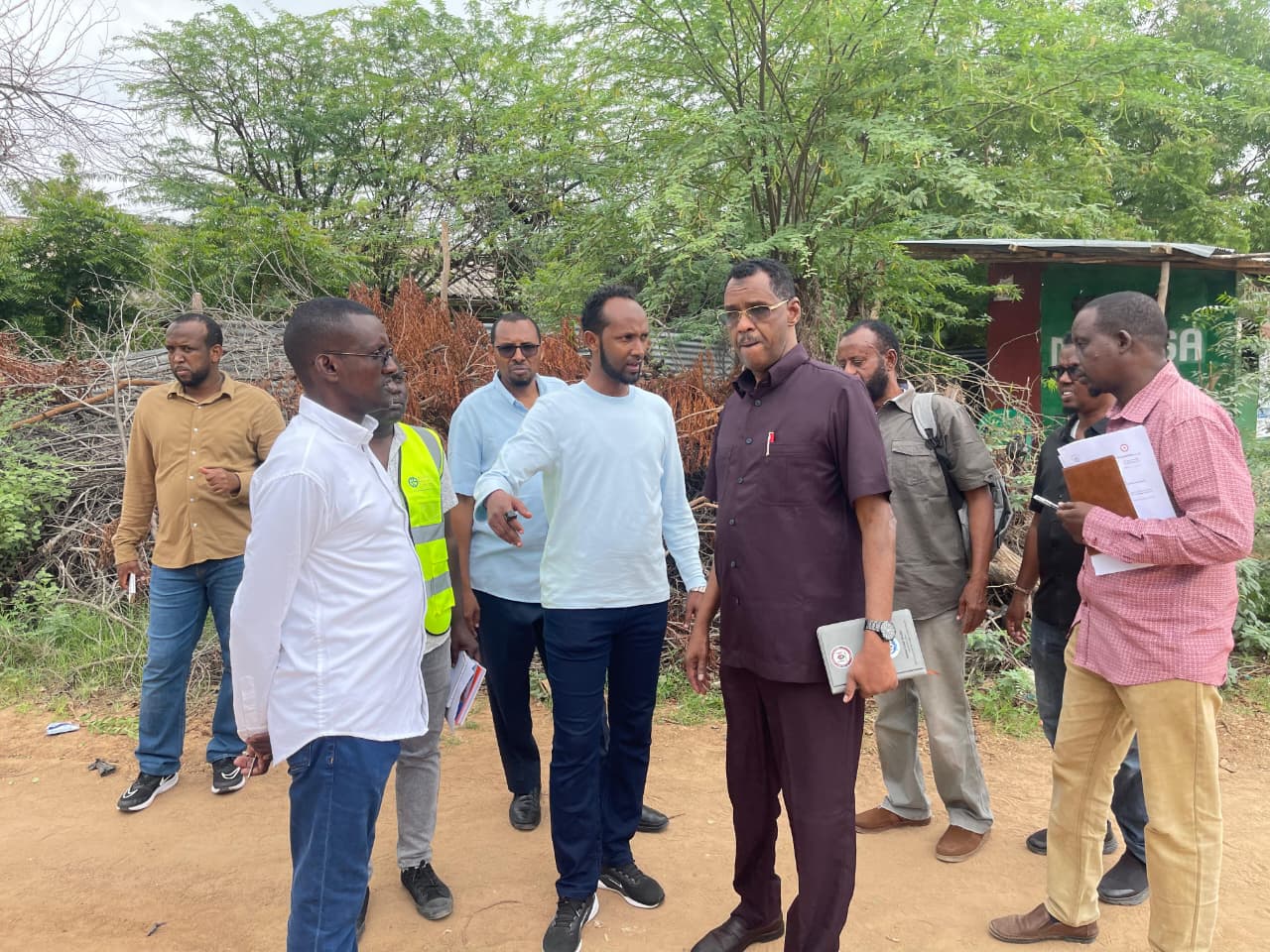
Garissa will host a fully fledged regional blood centre, a joint initiative between the national and county governments aimed at ending the region’s long-standing dependence on Nairobi for lifesaving blood supplies.
The project is a critical investment that will transform access to safe, adequate and timely blood for communities across northern Kenya.
Garissa continues to battle high maternal mortality rates, with postpartum haemorrhage among the leading causes of preventable deaths.
For years, the county has relied on screened blood transported from Nairobi, a system that has often resulted in delays, stock-outs and avoidable loss of life.
The new centre is expected to change that. Once completed and fully equipped to national and WHO standards, it will serve Garissa, Wajir, Mandera, Tana River, Isiolo and parts of Lamu.
Preparations for construction have now begun. On Wednesday, the Garissa County Teaching and Referral Hospital Chief Executive Officer, Mahat Sheikh Salah, visited the proposed site alongside Ministry of Health officials ahead of the formal handover.
He said the facility will provide reliable, locally available blood and blood components for emergency obstetric care, trauma and accident cases, paediatric interventions, surgery and other critical medical needs.
The Chief of the hospital said the centre will play a central role in ensuring the availability of safe, sufficient and well-screened blood for patients across the region.
“It will coordinate blood collection, testing, processing, storage and distribution. The service operates as a key pillar in the nation’s health system — particularly in emergency care, maternal health, trauma management, surgery and treatment of chronic illnesses,” he said.
Salah said the development marks a significant milestone in efforts to strengthen health systems across Northern Kenya.
“This centre will save lives,” he said. “For years, we have depended on Nairobi, and that has come with challenges, delays, shortages and risks to patients who need urgent blood. A local, well-equipped facility will ensure quicker response and enhance emergency care across northern Kenya.”
The centre will also boost clinical readiness and improve the referral pathway once operational, reducing preventable deaths linked to blood shortages.
Its establishment forms part of broader government efforts to upgrade health infrastructure and address persistent gaps in maternal and emergency care across northern Kenya.































Comments
Sign in with Google to comment, reply, and like comments.
Continue with Google