A fresh storm is brewing over the government’s agriculture agenda after Members of Parliament exposed a deep funding gap that could stall key food production and livestock programmes in the 2026/27 financial year.
The shortfall, lawmakers warned, threatens to weaken efforts to position the sector as the backbone of economic growth and rural incomes.
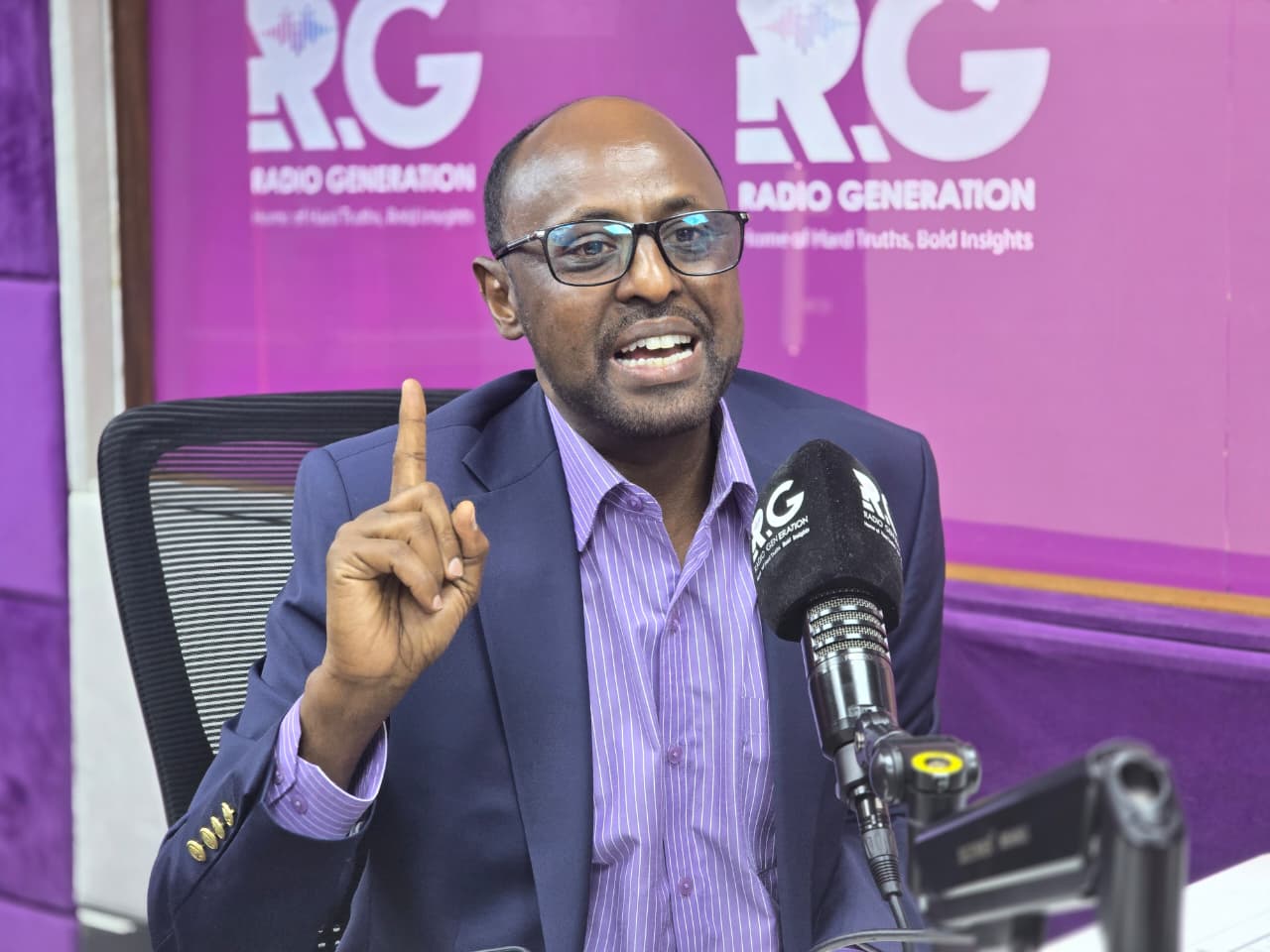
The concerns emerged when the National Assembly Committee on Agriculture and Livestock, chaired by John Mutunga of Tigania West, appeared before the Samuel Atandi led Budget and Appropriations Committee to present its review of the 2026 Budget Policy Statement on 27th, February 2026.
Although the government has consistently placed agriculture at the centre of the Bottom-Up Economic Transformation Agenda, Mutunga told the committee that the numbers in the budget do not reflect those ambitions.
"While the 2026 BPS identifies agriculture as a primary pillar of the Bottom-Up Economic Transformation Agenda (BETA) and a driver of inclusive growth, the fiscal provisions allocated remain disproportionately low compared to these stated objectives."
The Ministry of Agriculture and Livestock Development has been given a spending ceiling of Sh 75.491 billion for the 2026/27 financial year. However, verified requirements stand at Sh 135.355 billion, creating what legislators termed "a substantial funding deficit of Sh. 59.9 billion, having been allocated only Sh. 75.5 billion against a verified resource requirement of Sh. 135.4 billion."
Within that allocation, the State Department for Agriculture faces the heaviest strain. It requires Sh 107.362 billion but has been capped at Sh 59.995 billion, leaving a gap of Sh 47.367 billion. MPs cautioned that "This shortfall directly undermines interventions for prioritized value chains and efforts to revive collapsed export crops."
Mutunga explained that several flagship initiatives meant to raise production are operating without adequate backing. These include fertilizer subsidies, aggregation centres, agricultural technology innovation hubs and crop diversification programmes. Some of the projects outlined in policy papers have received little or no funding.
The fertilizer subsidy programme alone has a deficit of Sh 24.25 billion. Only Sh 9.5 billion has been set aside against a requirement of Sh 33.75 billion to cover demand and settle outstanding bills.
In the livestock department, the proposed allocation stands at Sh 15.496 billion, up from Sh 10.111 billion in the previous year, representing a 53 percent rise. Despite the increase, lawmakers said financial pressure remains high.
"Despite the budget enhancement, a resource gap of Sh 12.497 billion remains, the department requires Sh 27.993 billion to effectively support critical value chains in leather, dairy and meat sectors."
The committee further raised concern over mounting pending bills that exceed annual allocations. The State Department for Agriculture owes Sh 7.465 billion in outstanding payments. The State Department for Livestock Development is also grappling with a Sh 4 billion court award that has not been factored into the new budget. MPs warned that continued delay in settling the award could attract additional interest and legal charges.
Another unresolved issue involves the purchase of 230 milk coolers meant to improve dairy value chains. Removal of funds for the project has left a pending bill of Sh 1.2 billion. Legislators cautioned that failure to clear the debt may expose the government to legal action and delay improvements in milk collection centres.
Mutunga urged the Budget and Appropriations Committee to push for additional funding. He recommended that the Cabinet Secretary for Agriculture work with the National Treasury to ensure "progressive addition of resources to the agriculture sector to enhance funding of prioritized value chains."
Lawmakers also proposed "a moratorium on the commencement of any new capital projects within the State Department until all existing and stalled projects are fully completed."
The report has now been handed to the Budget and Appropriations Committee as Parliament prepares to finalize the 2026/27 spending framework, amid growing concern that inadequate funding in agriculture could slow production growth and weaken national food security goals.