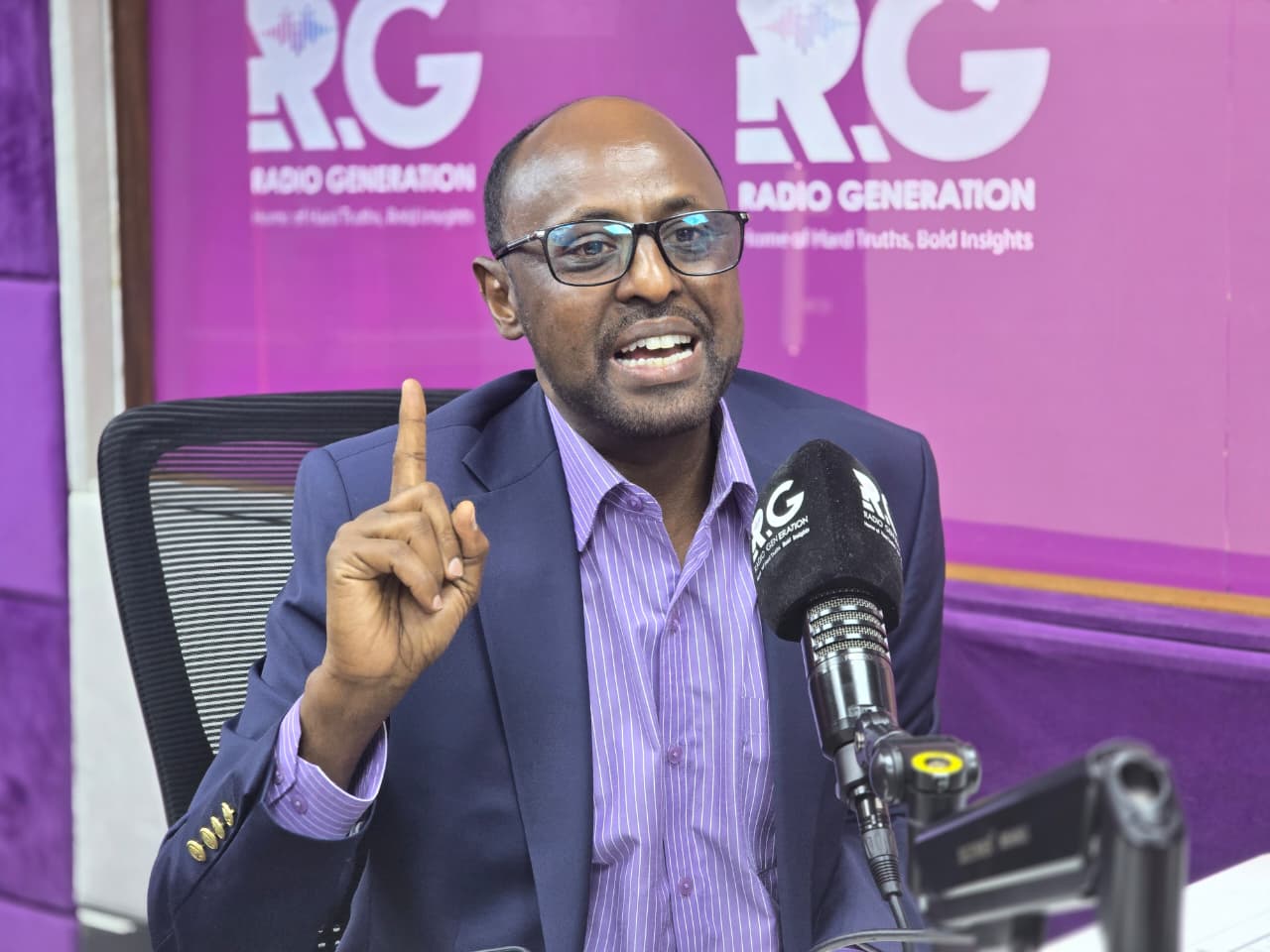
Tunza Mtoto Coalition Executive Director Janet Ouko has faulted Parliament and state agencies for what she described as a troubling failure to act on the unaccounted Sh2.1 billion meant for children’s bursaries, warning that the silence points to a deeper crisis in accountability.
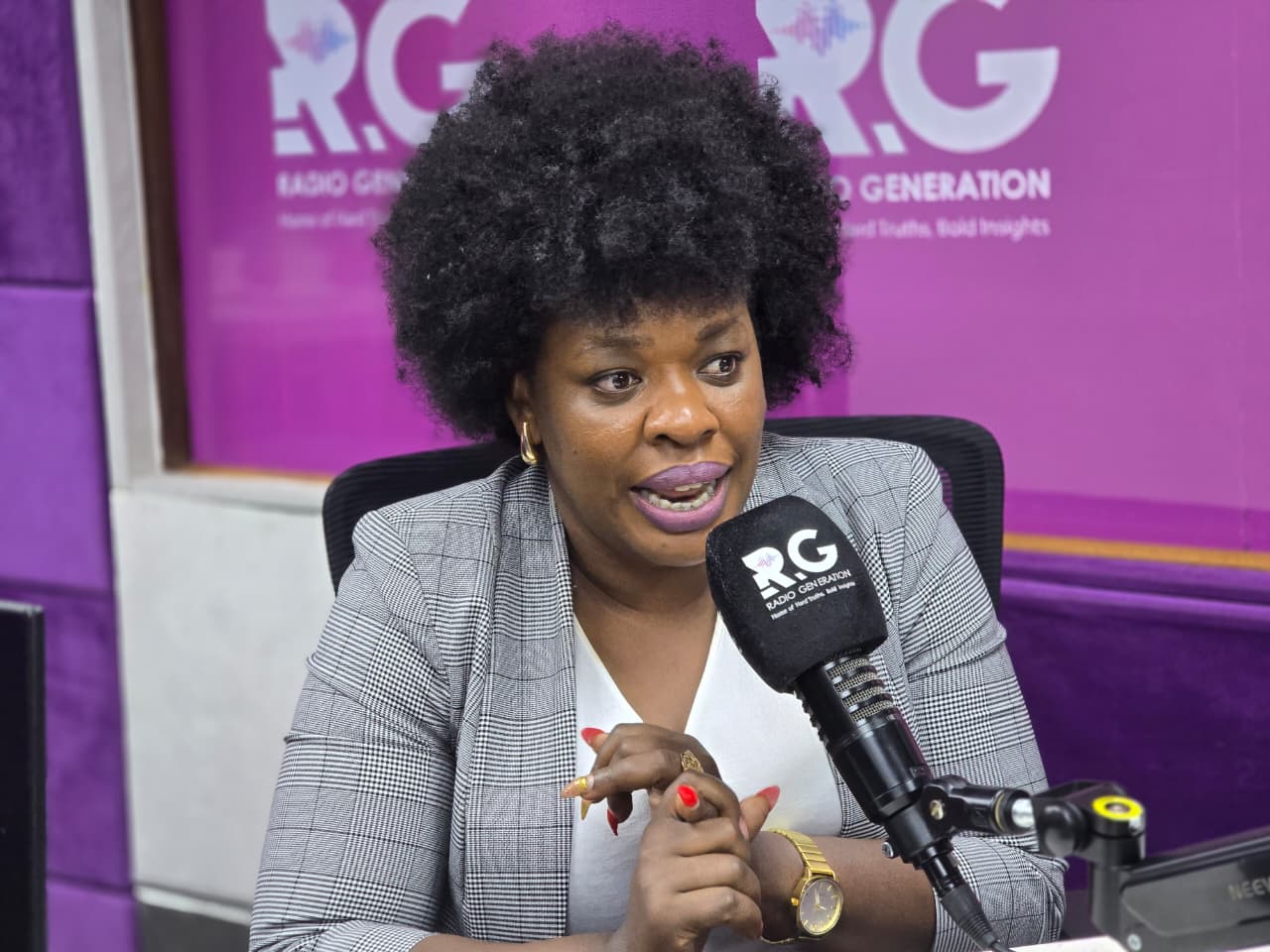
Speaking on Radio Generation on Thursday, Ouko said the lack of action over the missing funds exposes weak oversight structures, accusing authorities of focusing on minor issues while ignoring serious financial concerns affecting vulnerable learners.
“This is the constitutional body judged with the mandate of telling Kenyans how our money has been spent… today they are telling us that Sh2.1 billion cannot be accounted for. So do we accept and move on? No, we cannot accept and move on,” she said.
She expressed concern that Parliament, despite its oversight mandate, has not pushed for clear answers or demanded responsibility from the institutions involved.
According to her, this silence has allowed the matter to drag on without meaningful progress.
Ouko pointed to findings from the Ministry of Education, which carried out its own audit after reports of missing funds emerged.
She said early results showed the existence of 50,000 “ghost students,” each allegedly allocated Sh22,000, terming the situation “a joke worth Sh2 billion.”
The findings, she noted, were forwarded to the Directorate of Criminal Investigations and the Teacher Service Commission for further review. However, she said more than a month later, there has been no visible action or accountability.
Ouko warned that failing to follow through on such cases sends the wrong message to the public. “Kenyans are on their own, and there is a competition to loot public funds. We cannot be entertaining every day a headline of Sh2.1 billion. Millions are now loose change for this government. We are officially losing billions, and it is not an acceptable state of affairs,” she said.
She also took issue with the President’s response to the matter, saying attention has been directed at less critical issues instead of the alleged loss of public funds.
“The President is able to ignore Sh2.1 billion lost, but he cannot ignore a comment about losing weight,” she said.
Ouko said such selective focus weakens public trust and raises doubts about the commitment to address corruption, especially when resources meant for children are involved.
She called for urgent steps to ensure accountability and protect public funds.
“It’s immoral, it’s evil, and Kenyans deserve answers,” Ouko said, urging Parliament and relevant agencies to take firm action.
Her remarks come as a 2026 performance audit by the Auditor-General revealed that 86 constituencies could not account for Sh2.1 billion in bursary funds for the 2023/24 financial year.
A closer review of 23 constituencies, including Embakasi Central, Kibra, Kasarani, Dagoretti South, and Embakasi South in Nairobi; Mbooni, Makueni, Kaiti, and Kibwezi East in Makueni; Ndia, Gichugu, Kirinyaga Central, and Mwea in Kirinyaga; Kilgoris, Narok West, Narok East, and Narok North in Narok; Nyaribari Masaba, Bomachoge Chache, Kitutu Chache South, and Bobasi in Kisii; as well as Ganze and Malindi in Kilifi, uncovered widespread irregularities.
The audit flagged issues such as favoritism, nepotism, multiple allocations to the same students, incomplete application records, and cases of political interference. It also found that bursary awards were often determined by the type of school rather than the financial needs of applicants.
Further, the report criticized the continued use of manual systems in processing applications, noting that 282 out of 290 constituencies still rely on manual methods, raising concerns over transparency and accountability.